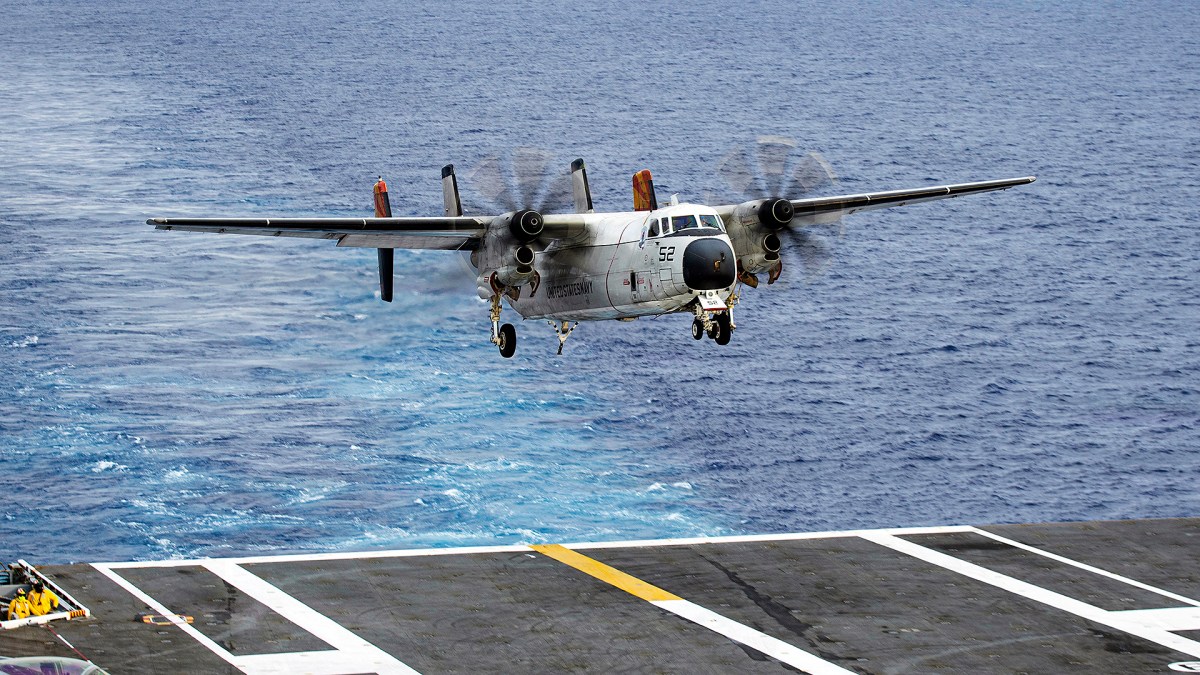
An end-of-era moment for carrier aviation
The U.S. Navy’s C-2A Greyhound has made its last landing aboard an aircraft carrier, closing a chapter that stretched across nearly 60 years of carrier logistics. According to a Navy official cited in the source report, the final arrested landing took place aboard USS Nimitz on June 25, followed by the aircraft’s last catapult launch from a carrier deck. The mission marks the formal end of the Greyhound’s carrier onboard delivery role, a task that has now been fully handed over to the CMV-22B Osprey.
Retirements are common in military aviation, but this one carries unusual symbolic and operational weight. The Greyhound was never the glamorous centerpiece of a carrier air wing. It did not define naval air power in the public imagination the way fighters, early-warning aircraft or bombers do. Its importance came from something more basic: keeping a carrier strike group supplied, connected and functional at sea. That meant moving people, cargo and critical parts to and from flattops operating far from shore, often on unforgiving timelines.
When that role changes platforms, it changes more than a line in an inventory sheet. It changes how the Navy thinks about access, reach, deck operations and logistics support for carrier groups.
What the Greyhound did so well
The C-2A Greyhound served as the Navy’s dedicated carrier onboard delivery aircraft, commonly known as COD. It was the practical bridge between shore infrastructure and the carrier deck, designed to deliver the equipment and personnel that make deployed operations sustainable. In that sense, the aircraft was part of the carrier’s circulatory system. Its mission was not optional support layered on top of combat operations. It was a precondition for keeping those operations credible over time.
The source report notes that the Greyhound is derived from the E-2 Hawkeye family. That lineage gave it a distinctive place in naval aviation: recognizable, specialized and thoroughly integrated into carrier operations. Its design was built around the realities of catapult launches and arrested recoveries, allowing it to bring transport capability directly onto a carrier rather than relying on transfer by helicopter or shore-based workarounds.
That carrier compatibility is precisely what makes the June 25 event historically significant. The last trap and launch aboard Nimitz were not just ceremonial gestures. They marked the end of fixed-wing COD operations by the Greyhound on U.S. carriers.
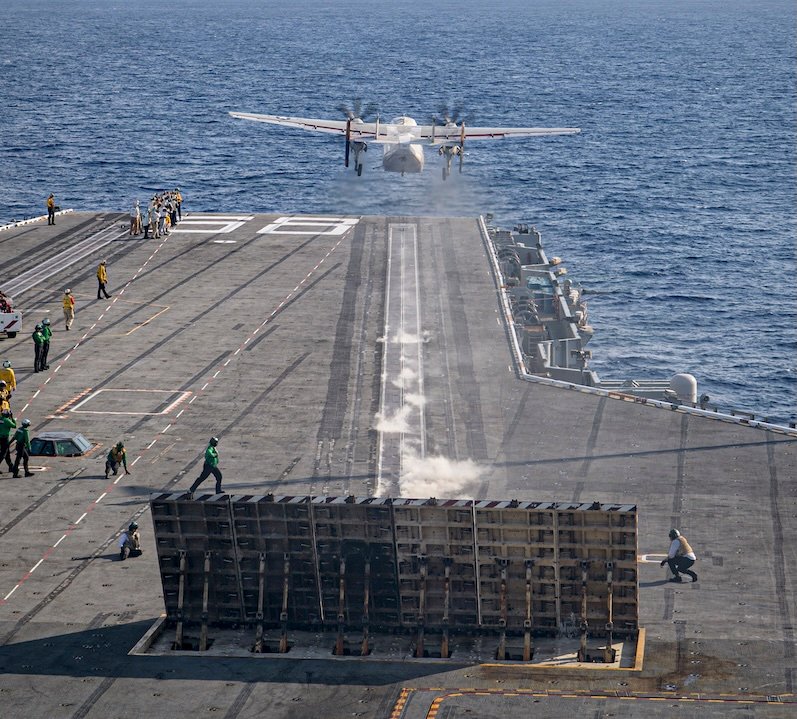

The handoff to the CMV-22B Osprey
The Navy official cited in the report said the Greyhound’s role has now been completely turned over to the CMV-22B Osprey. That transition has been underway for some time, but the final carrier mission shows the Navy now considers the handoff complete. The shift reflects a broader preference for platform flexibility and operational reach, with the Osprey bringing tiltrotor characteristics that differ substantially from the Greyhound’s fixed-wing approach.
That does not automatically make the transition simple. Every replacement involves tradeoffs, especially when the outgoing aircraft spent decades proving its value in a narrow but essential role. The source report does not frame the moment as a technical verdict against the Greyhound. Instead, it presents the transition as the close of a long service era and the completion of a mission transfer already set in motion.
What matters strategically is that the Navy is now committing its carrier resupply mission to a different operating model. The CMV-22B can approach ships differently than a conventional carrier aircraft and extends the Navy’s reliance on the Osprey family deeper into fleet logistics. For the service, that represents not just modernization, but a doctrinal adjustment in how critical support is delivered to carriers at sea.
The final mission aboard USS Nimitz
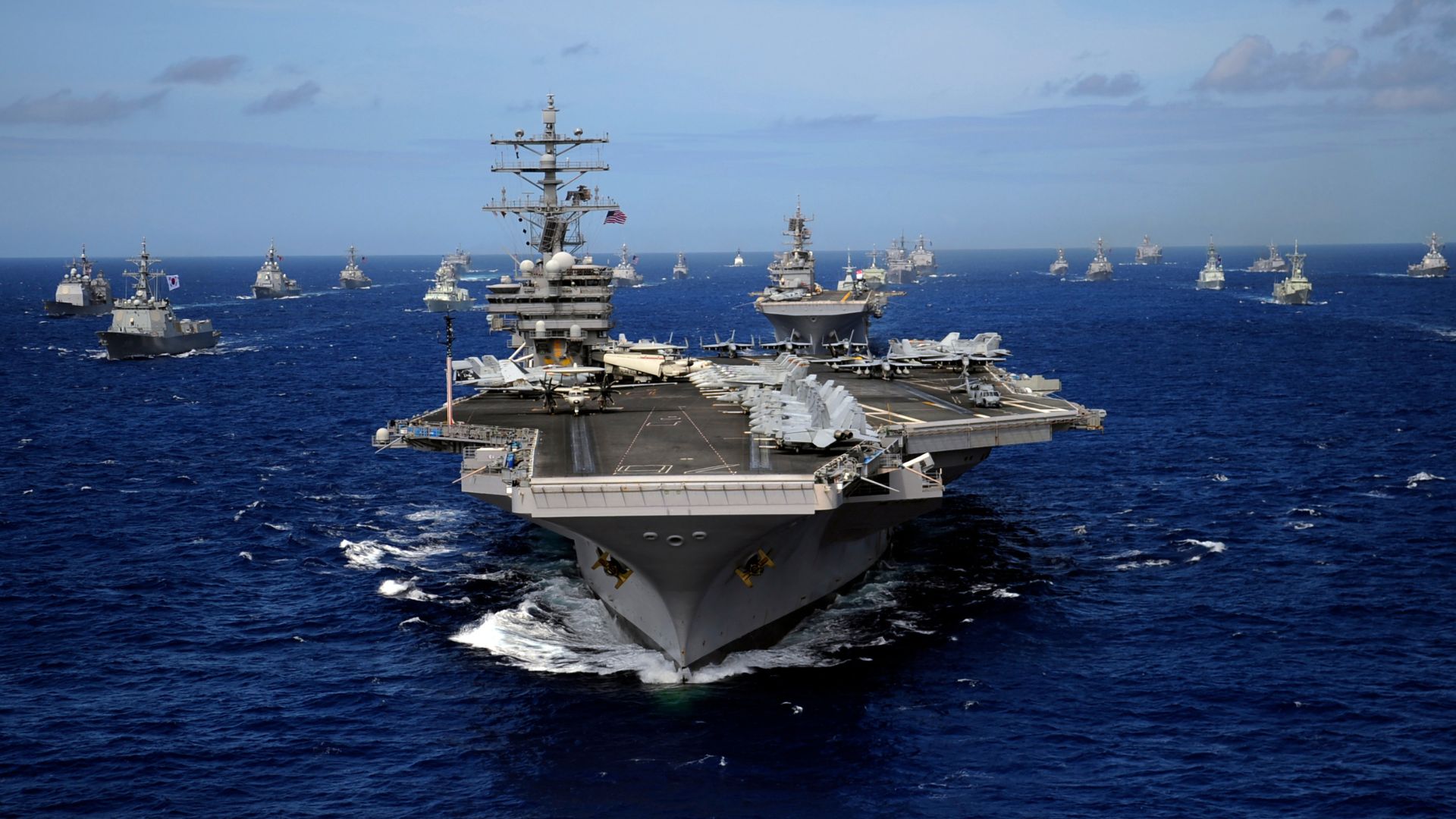
The last carrier evolution took place during a larger operational backdrop. The source says Greyhounds from Fleet Logistics Support Squadron 40, the “Rawhides,” made the final arrested landing and catapult launch from Nimitz on June 25. Vice Admiral Doug Perry reportedly joined the ship as it traveled north from Mayport, Florida, toward New York City, and reporters were aboard the Greyhounds as they departed the carrier during what was described as the aircraft’s final expected COD takeoff.
The setting underlined that this was not an isolated museum-style flyby. The aircraft were operating amid a live naval environment that also included the T-1 demonstrator for the MQ-25 Stingray unmanned tanker program and multiple Super Hornets participating in a large multinational exercise linked to America’s 250th birthday observances. In other words, the Greyhound’s farewell came in the middle of a deck ecosystem already pointing toward the Navy’s future: more unmanned capability, newer logistics concepts and a changing air wing mix.
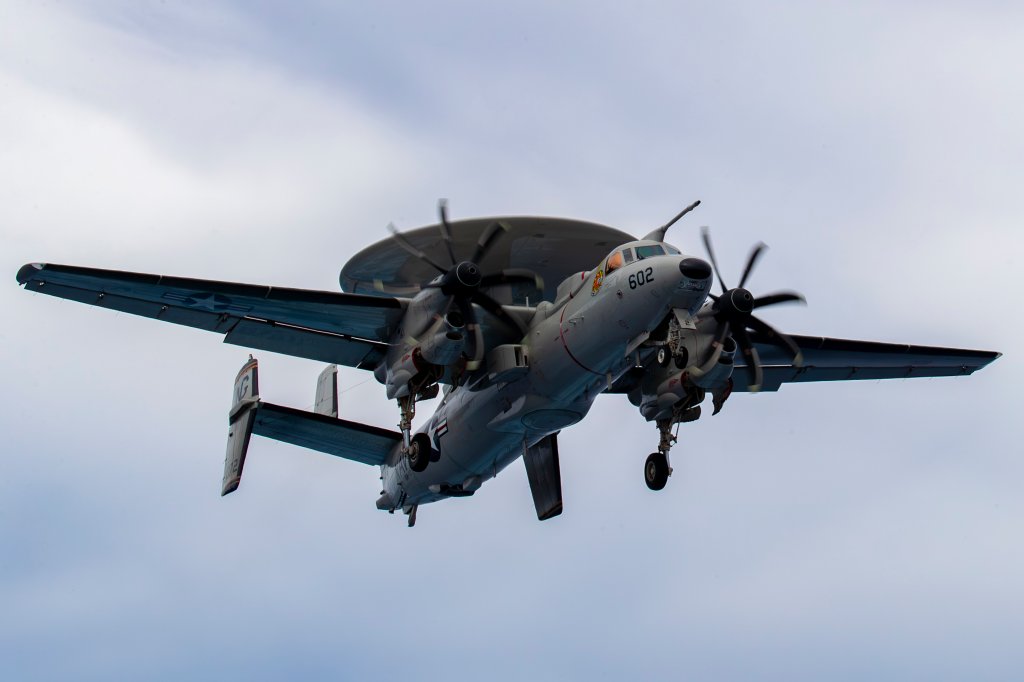
That contrast made the moment sharper. One of the fleet’s most established workhorses was leaving the carrier deck even as newer systems were being showcased nearby.

Retirement is near, but not immediate
The Greyhound is not disappearing overnight. The Navy official said the aircraft will continue flying until later this year and is expected to be fully retired then, barring any major contingencies. That caveat matters. Military retirement schedules can shift when operational demands intervene. But as of now, the carrier role that defined the Greyhound is over, and the remaining months appear to be a runway toward final withdrawal from service.
That distinction is worth noting because platforms often continue to fly after their signature mission ends. Institutional retirement happens in stages: last deployment, last launch, last landing, final squadron transition, final decommissioning. June 25 was one of those dates that will endure because it represents the last moment the aircraft did the thing it was most closely identified with.
Why the Greyhound’s exit matters
Military aviation history often celebrates speed, stealth and weapons. Logistics aircraft rarely receive the same public attention, even though they are central to sustained power projection. The Greyhound’s departure is a reminder that naval combat capability depends on transport and maintenance rhythms as much as on frontline aircraft performance.
The final carrier landing aboard Nimitz therefore matters on two levels. Historically, it closes out one of naval aviation’s longest-serving support roles. Operationally, it confirms that the Navy’s logistics architecture around carriers is changing in earnest. The Greyhound’s legacy will not be defined by spectacle. It will be defined by the fact that for decades, when a carrier needed something urgently and directly, this was the airplane built to bring it.
Now that responsibility belongs to a new platform. But the Navy’s confirmation of the Greyhound’s final trap makes clear that one of the carrier deck’s most dependable routines has passed into history.
This article is based on reporting by twz.com. Read the original article.
Originally published on twz.com