B-2 stealth bombers now have a newly disclosed anti-ship mission
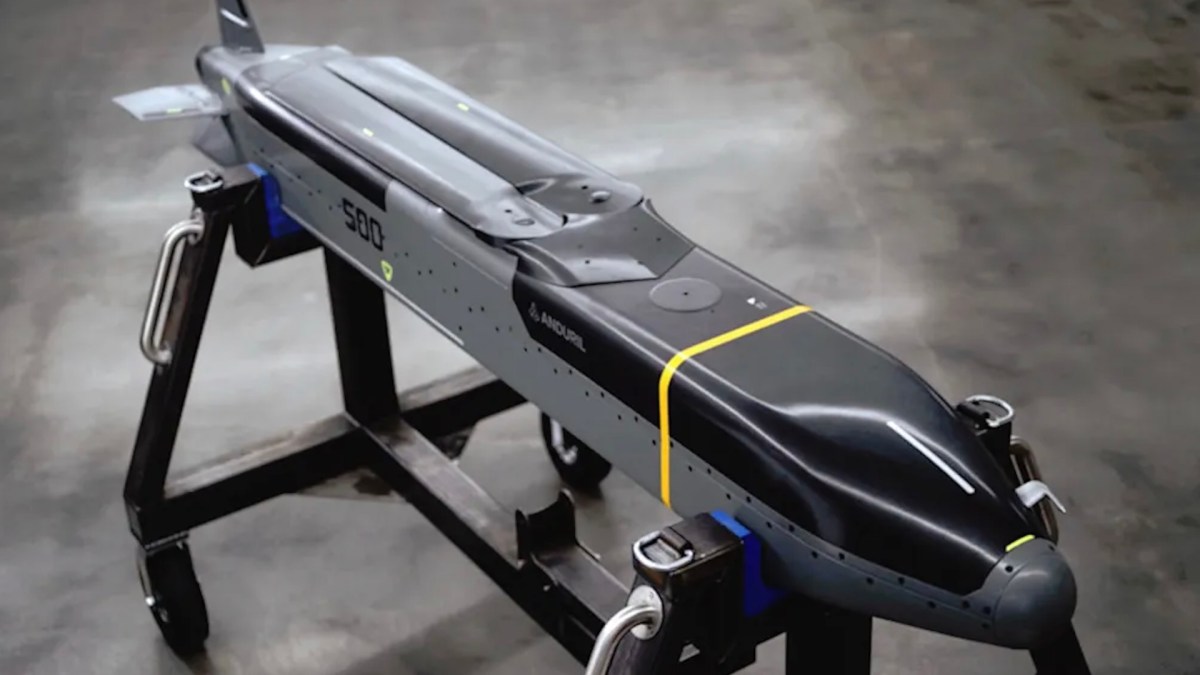
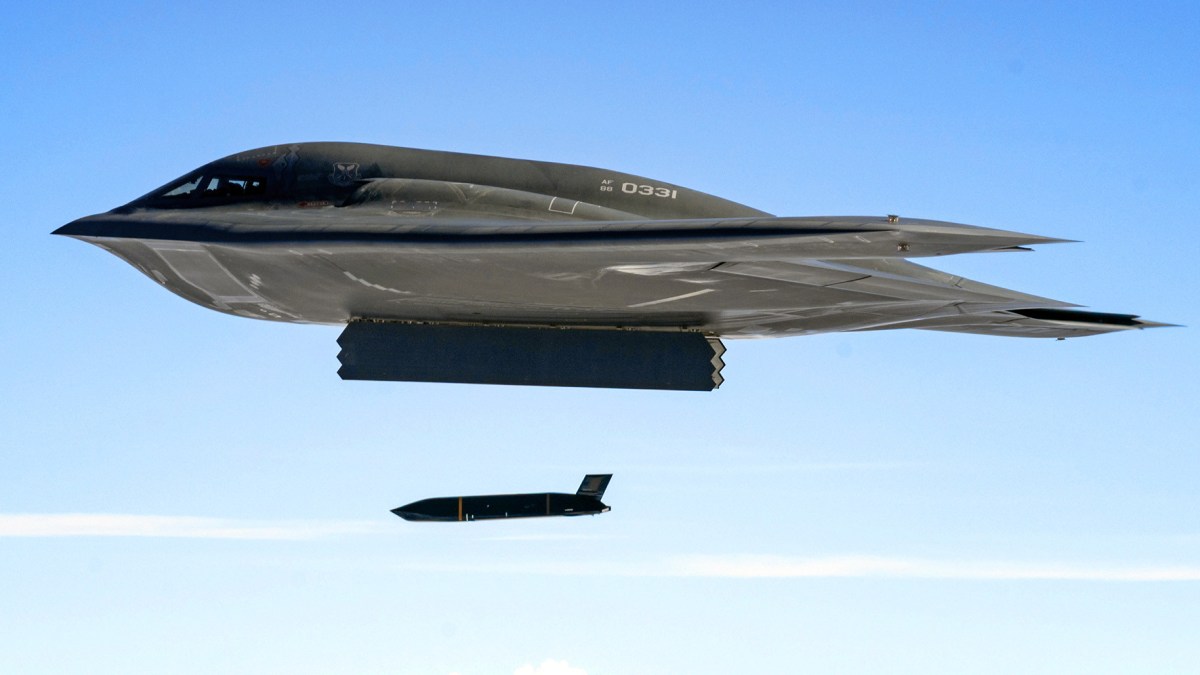
A U.S. Air Force announcement tied to Exercise Valiant Shield 2026 has revealed a capability that had not previously been publicly associated with the B-2 Spirit: the ability to launch the AGM-158C Long Range Anti-Ship Missile, or LRASM. According to Pacific Air Forces, a B-2 used the weapon during a live-fire sinking exercise north of the Mariana Islands, expanding the known mission set of the stealth bomber beyond its already prominent long-range strike role.
The disclosure matters because LRASM is designed for maritime warfare at long range, and the B-2 is built to penetrate heavily defended airspace. Pairing the two creates a combination with obvious relevance for operations across the Pacific, where geography, distance, and increasingly contested seas shape military planning. Pacific Air Forces described the event as a major step forward in countering maritime threats and said the launch demonstrated an enhanced ability to achieve strategic objectives within range of potential threats.
What the Air Force said happened
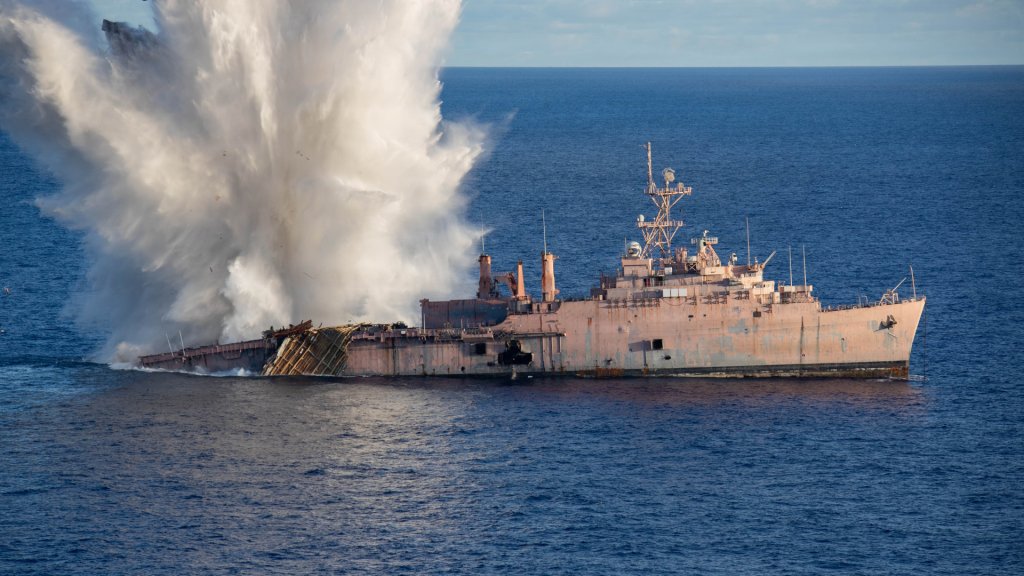
In its public statement, Pacific Air Forces said it had successfully conducted a live-fire sinking exercise using the B-2 Spirit and that the bomber deployed LRASM. The service did not initially provide extensive details, but it confirmed to The War Zone that the missile was fired at the ex-USS Juneau, a decommissioned Austin-class amphibious warfare ship, during the broader Valiant Shield exercise.
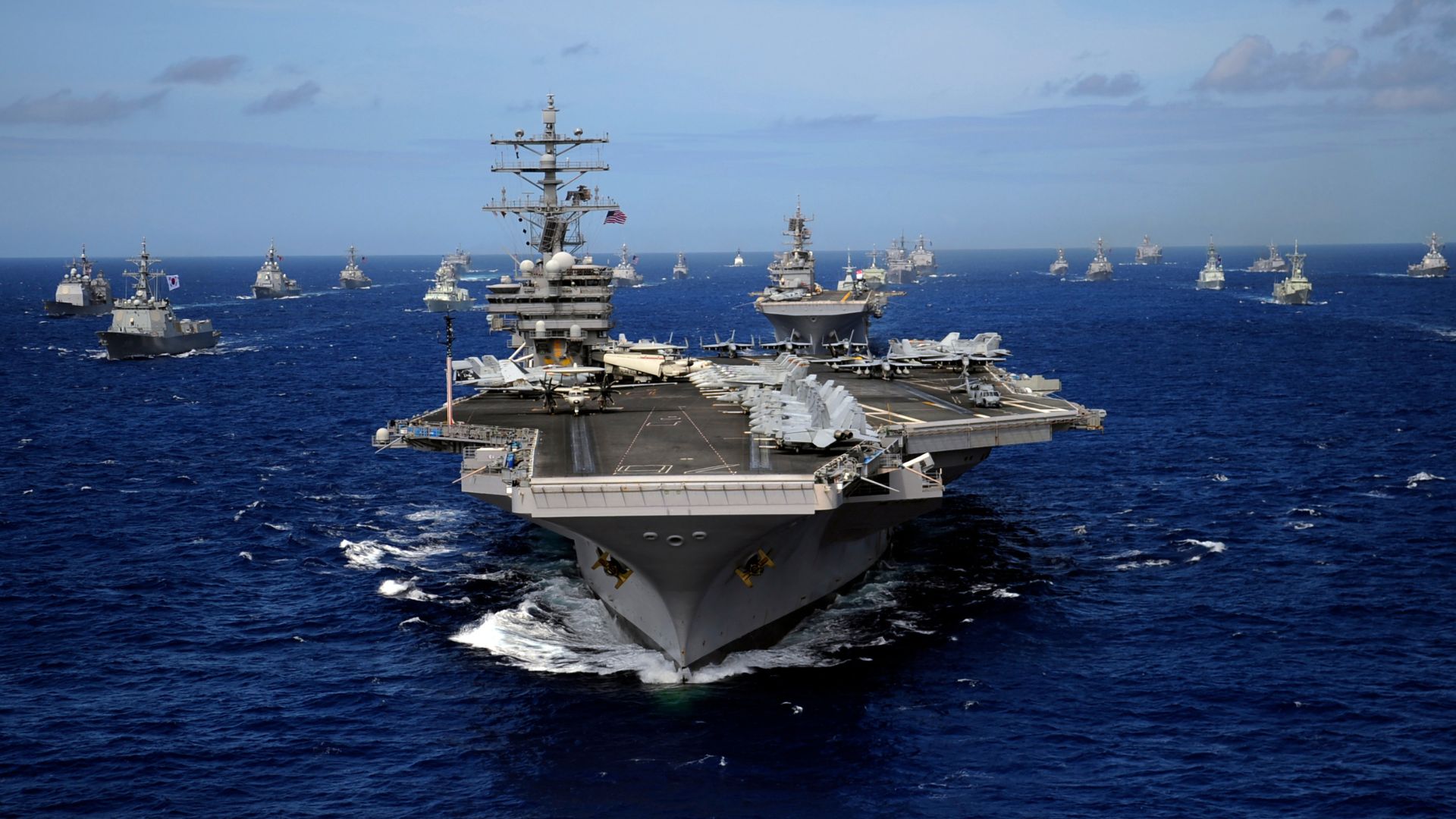
The target ship was part of a multi-national sinking exercise roughly 200 nautical miles off the coast of Guam. The source text says U.S. and allied forces struck the vessel with multiple munitions over the course of the weekend before it was ultimately sent to the bottom of the Pacific. The final blow reportedly came from a heavyweight torpedo launched by an unnamed Japan Maritime Self-Defense Force submarine, underscoring the joint and multi-domain nature of the exercise.
What stands out most is not the sinking exercise itself, but the fact that the B-2’s involvement with LRASM was not publicly highlighted until later. That sequence suggests the capability may have been deliberately held back from open discussion until the Air Force was ready to acknowledge it. Even without additional technical detail, the public admission alone changes the open-source picture of what the B-2 can do in a maritime conflict.

Why LRASM on a B-2 changes the conversation
LRASM is a stealthy anti-ship missile intended to hit maritime targets at long range. The B-2, meanwhile, is a low-observable bomber designed to survive in defended environments and deliver weapons deep inside contested areas. Together, they represent a combination of survivability, reach, and anti-surface firepower that is especially significant in the Pacific theater.
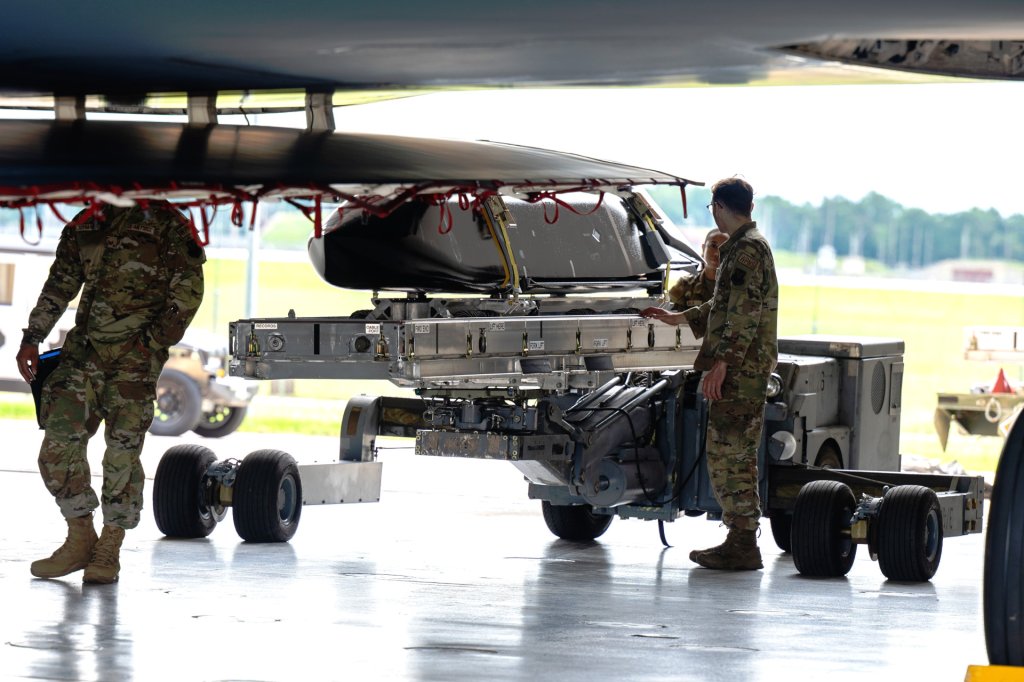
In practical terms, this means the B-2 is no longer just a platform associated in public with land-attack missions or strategic bombing. It can also contribute directly to maritime strike operations against enemy fleets. That creates more uncertainty for any adversary attempting to protect naval formations with layered defenses, because the launch platform itself is difficult to detect and can attack from long distances.
The geography of the Pacific makes that more important. The theater covers vast ocean spaces, long supply lines, and widely dispersed island chains. A weapon like LRASM is relevant because it lets aircraft threaten ships without needing to close to short range. A platform like the B-2 is relevant because it can carry out missions where exposure to advanced air defenses or long-range sensors would be a major risk for less survivable aircraft.
Pacific Air Forces framed the launch as a milestone in high-end innovation. That phrasing is notable because it points to a broader operational shift, not just a one-off weapons test. Publicly disclosing the pairing of B-2 and LRASM signals that the Air Force wants potential adversaries to understand that this option now exists.
A message aimed well beyond the exercise
The source text explicitly links the capability to the possibility of a future high-end fight in the Pacific, particularly against China. Even without additional official commentary, the strategic logic is straightforward. Anti-ship strike capacity is central to any scenario in which the United States and its allies would need to hold hostile naval forces at risk across wide expanses of ocean.
By demonstrating LRASM from the B-2 during a major regional exercise, the Air Force appears to be communicating several things at once. First, it is showing that stealth bombers can participate directly in maritime targeting. Second, it is reinforcing the idea that the United States can integrate air, naval, and allied capabilities in a coordinated strike environment. Third, it is reminding observers that older platforms can gain new relevance through weapons integration.
The B-2 is not a new aircraft, but new weapons can significantly alter the military value of an existing platform. That is part of what makes this disclosure meaningful. It is less about a new bomber entering service than about a mature bomber acquiring a more flexible and strategically potent loadout.

What remains unclear
The announcement still leaves important questions unanswered. The public release does not detail how many LRASMs the bomber can carry, how long the integration has been in place, or whether the capability is already fully fielded across the B-2 force. It also does not explain whether the weapon’s employment was part of a broader doctrine shift or primarily a milestone demonstration.
Those omissions are not surprising. Capabilities involving stealth aircraft and anti-ship weapons are sensitive, and services often reveal only what they think is useful for deterrence or messaging. Still, even the limited facts now on the record are enough to reshape outside assessments of the B-2’s maritime role.
The timing also matters. Exercise Valiant Shield is one of the highest-profile opportunities for the U.S. military to demonstrate combined power projection in the Pacific. Revealing the B-2’s LRASM capability in that context gives the message additional weight. It places the disclosure inside a live operational setting rather than an abstract procurement or testing narrative.
The broader significance
The Air Force’s announcement does not simply add another weapon to a platform checklist. It highlights how the U.S. military is trying to widen the number of ways it can threaten hostile fleets, complicate enemy planning, and distribute combat power across more systems. The B-2’s newly disclosed LRASM role fits squarely within that approach.
For outside observers, the key takeaway is clear: the B-2 Spirit is now publicly known to have an anti-ship strike mission using a stealthy long-range missile, and that capability has already been exercised in the Western Pacific. In a region where maritime power is central to deterrence and conflict planning, that is a consequential update.
This article is based on reporting by twz.com. Read the original article.

Originally published on twz.com