Britain signals a new force design before its full plan lands
The United Kingdom has previewed a major redesign of its future military investments, putting drones and uncrewed systems at the center of how it expects to fight and deter threats in the years ahead. Hours before the formal rollout of its long-awaited Defence Investment Plan, the Ministry of Defence disclosed key elements of the package, framing it as a move away from concentrating capability in a small number of traditional platforms and toward a more distributed, technology-heavy force.
Prime Minister Keir Starmer was set to formally launch the plan in a Tuesday speech, but the early details already sketch the government’s priorities. The Ministry of Defence said the package would include £5 billion for what it called a “drone transformation,” while reported total investment across the plan stands at £13.5 billion. That figure is materially below the £28 billion the ministry had originally requested, underscoring that this is both a strategic and a budgetary reshaping of the force.
The message from the preview is clear: Britain wants more autonomy, more mass, and more flexibility across land, sea, and air. Instead of betting primarily on a handful of highly expensive crewed assets, the government is signaling that future combat power will increasingly come from networks of crewed and uncrewed systems working together.
A hybrid navy is the most visible break from past plans
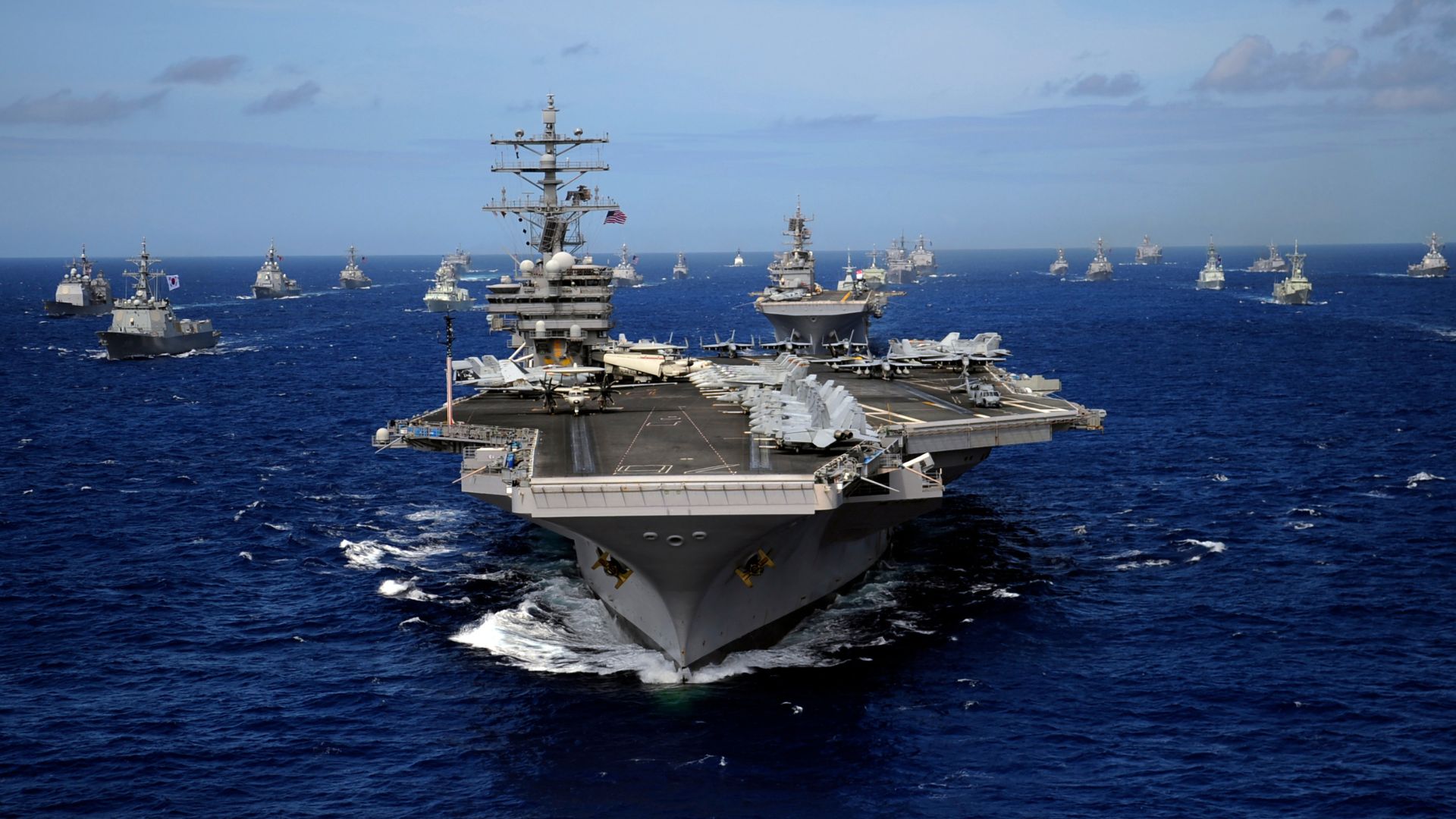
The most consequential change may be at sea. According to the Ministry of Defence, the Royal Navy is moving away from a plan to buy Type 83 destroyers and instead will pursue at least six Common Combat Vessels. These ships are envisioned not simply as conventional surface combatants, but as control hubs for fleets of aerial, surface, and underwater drones.
That concept is central to the government’s description of a “hybrid” navy. Rather than building naval power around a smaller set of large, complex ships, the UK says it wants a force mix that pairs crewed vessels with uncrewed systems that can extend surveillance, strike range, and operational resilience. In practical terms, that suggests future ships could serve as motherships or command nodes, dispatching and coordinating autonomous or remotely operated systems across a wide maritime area.
The shift reflects a broader lesson many militaries have drawn from recent conflicts: survivability, responsiveness, and scale may depend less on a few exquisite platforms and more on spreading capability across many nodes. A ship that can direct multiple drones above and below the water potentially offers new ways to scout, jam, deceive, and strike without exposing every capability at once.
It is also a notable industrial and doctrinal choice. Destroyers remain potent symbols of blue-water naval power, but they are expensive and slow to field. A fleet structure built around Common Combat Vessels could give Britain more room to iterate as uncrewed technologies evolve, even if the transition also creates new demands in command-and-control, software integration, and operational training.

Drones are being positioned across all three services
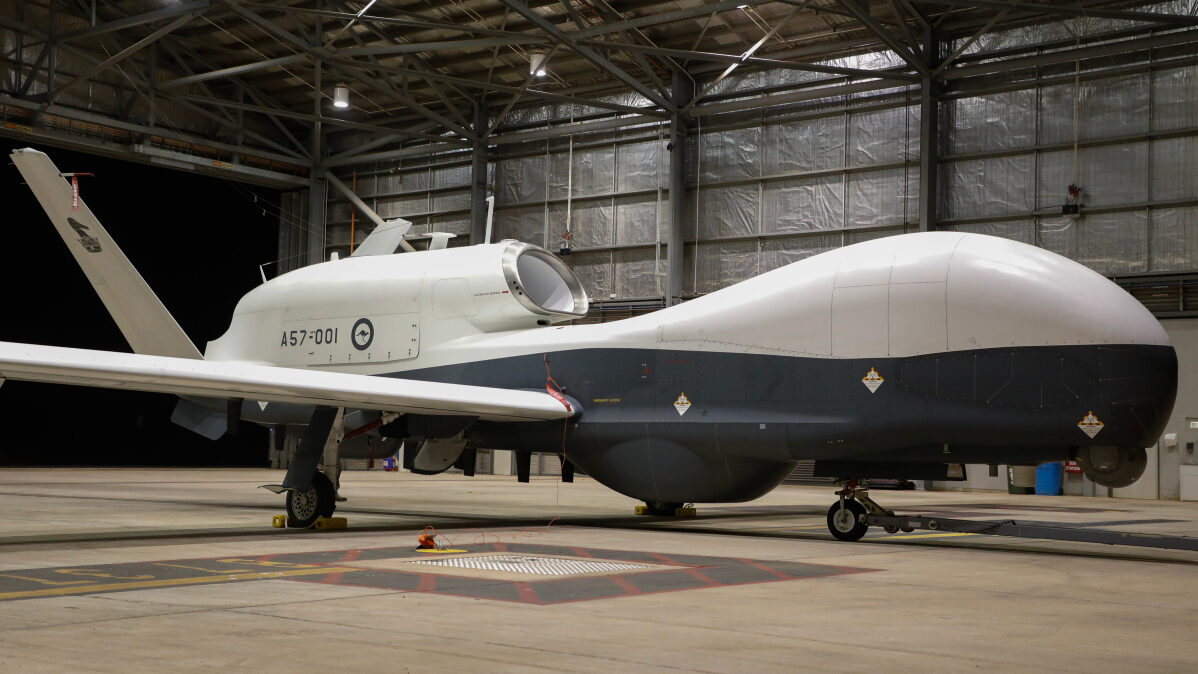
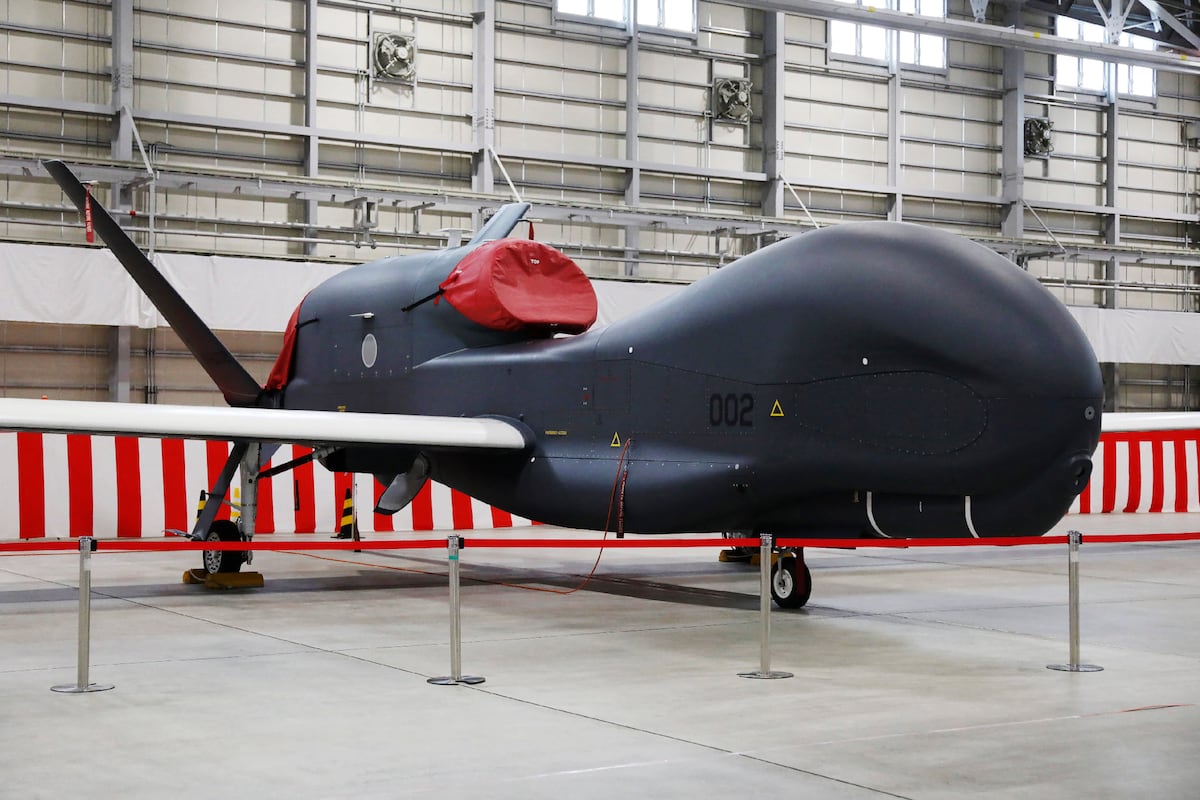
The drone element of the preview is not limited to the navy. The Ministry of Defence described an integrated force in which attack drones would operate alongside Army helicopters, while the Royal Air Force would also gain new drones as part of efforts to protect or enhance crewed aircraft operations. The ministry’s language points to a future in which drones are no longer treated as niche tools, but as standard companions to traditional platforms.
This matters because it changes how procurement is being framed. The government is not simply promising more drones in inventory. It is describing a force model in which uncrewed systems are embedded into the structure of operations. Army aviation, naval task groups, and combat air all appear set to absorb drones as routine parts of mission planning rather than special-purpose additions.
The preview also references a new collaborative combat aircraft program for the Royal Air Force. While the released details remain limited, the wording suggests the UK is investing in the now-wider concept of aircraft that can work in concert with other crewed or uncrewed assets. In broader defense terms, collaboration is becoming just as important as the platform itself. The value lies not only in the aircraft or drone, but in how effectively it can share sensing, survivability, and mission workload with the rest of the force.
Budget reality still shapes the ambition
For all the technological ambition, the numbers in the preview reveal tension between strategic goals and fiscal limits. A reported £13.5 billion total is significant, but it is still well below the £28 billion the Ministry of Defence had originally sought. That gap means prioritization will matter, and some legacy expectations are already being displaced by newer concepts.
The decision to forgo planned Type 83 destroyers is one sign of that prioritization. So is the concentration of political messaging around drones, hybrid fleets, and collaborative systems rather than around larger conventional procurements. The government appears to be arguing that future relevance comes from adaptability and integration, not from preserving older acquisition patterns at any cost.
Starmer described the investment as strengthening the armed forces across land, sea, and air and ensuring personnel have the capabilities needed to deter evolving threats. The Defence Investment Plan preview supports that framing, but it also implies a practical admission: the UK cannot buy everything, so it is choosing to emphasize systems that promise broader reach per pound spent.

What this preview tells us now
Even before the full document is public, the preview establishes several key points about Britain’s defense direction.
- The government wants drones treated as core force elements rather than adjunct capabilities.
- The Royal Navy is being steered toward a more distributed mix of crewed and uncrewed systems.
- The RAF is expected to pursue collaborative combat concepts rather than rely solely on traditional crewed aircraft models.
- The overall program is being shaped by real budget limits, not only by strategic aspiration.
That combination makes this more than a procurement update. It is an attempt to recast what military modernisation looks like in the UK. Whether the approach delivers will depend on execution: integrating software and autonomy, building doctrine around mixed crews and machines, and translating headline concepts into deployable capability. But the direction of travel is now much harder to miss.
This article is based on reporting by Breaking Defense. Read the original article.
Originally published on breakingdefense.com