Introduction
The U.S. Missile Defense Agency (MDA) has initiated a search for a new radar to replace the AN/TPY-2, a key component of the Terminal High Altitude Area Defense (THAAD) system and a critical sensor in the nation's ballistic missile defense architecture. The new effort, dubbed Forward-Based Mode (FBM) Radar Next, emphasizes mobility as a primary requirement, a direct response to the vulnerabilities exposed during recent conflicts, particularly the Iran war. The AN/TPY-2's static nature has made it a prime target for enemy missiles and drones, leading to the destruction of at least one unit this year. This article explores the strategic shift toward mobile radar systems, the technological challenges, and the implications for future missile defense operations.
The AN/TPY-2 Radar: Current Role and Vulnerabilities
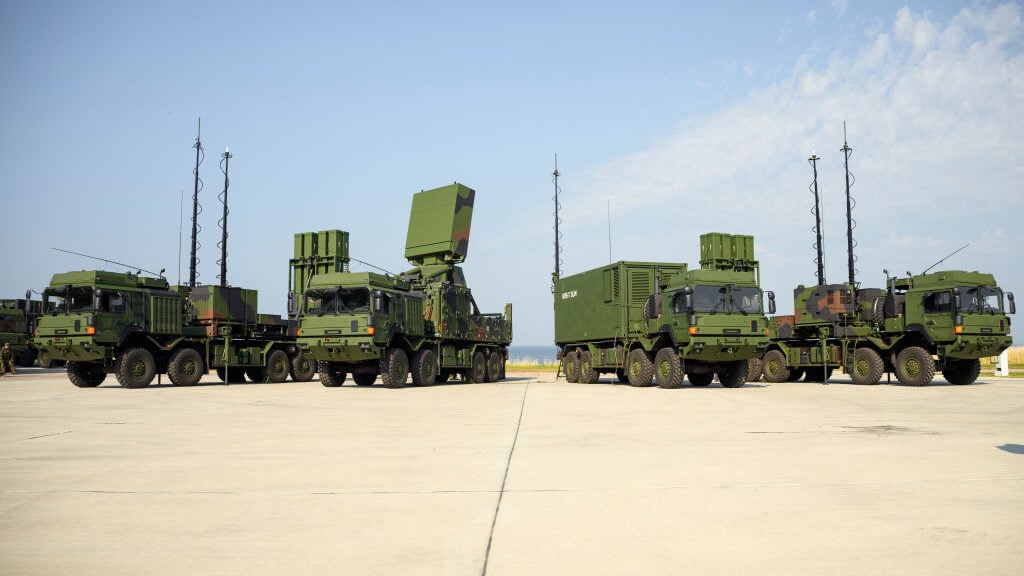
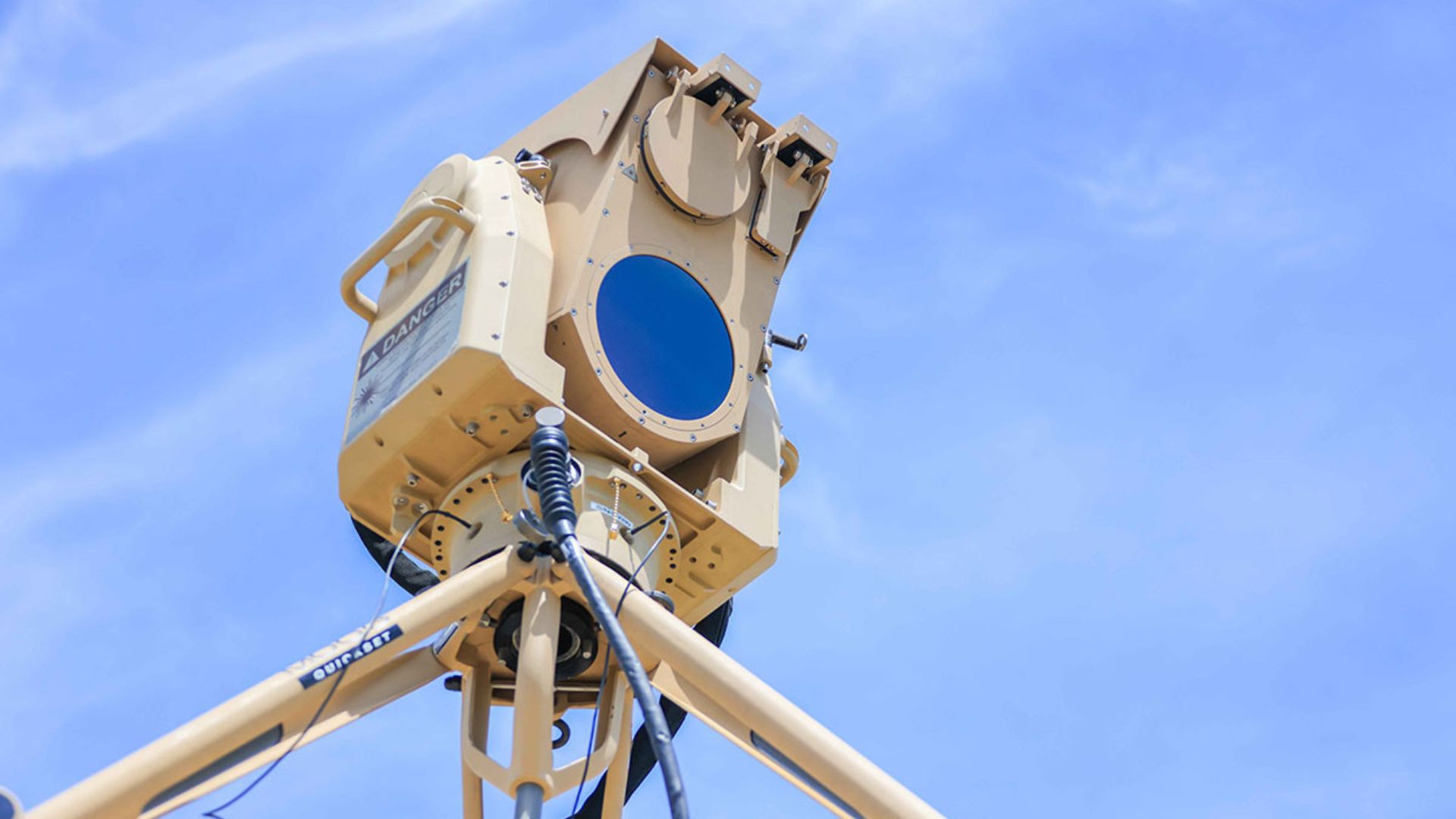
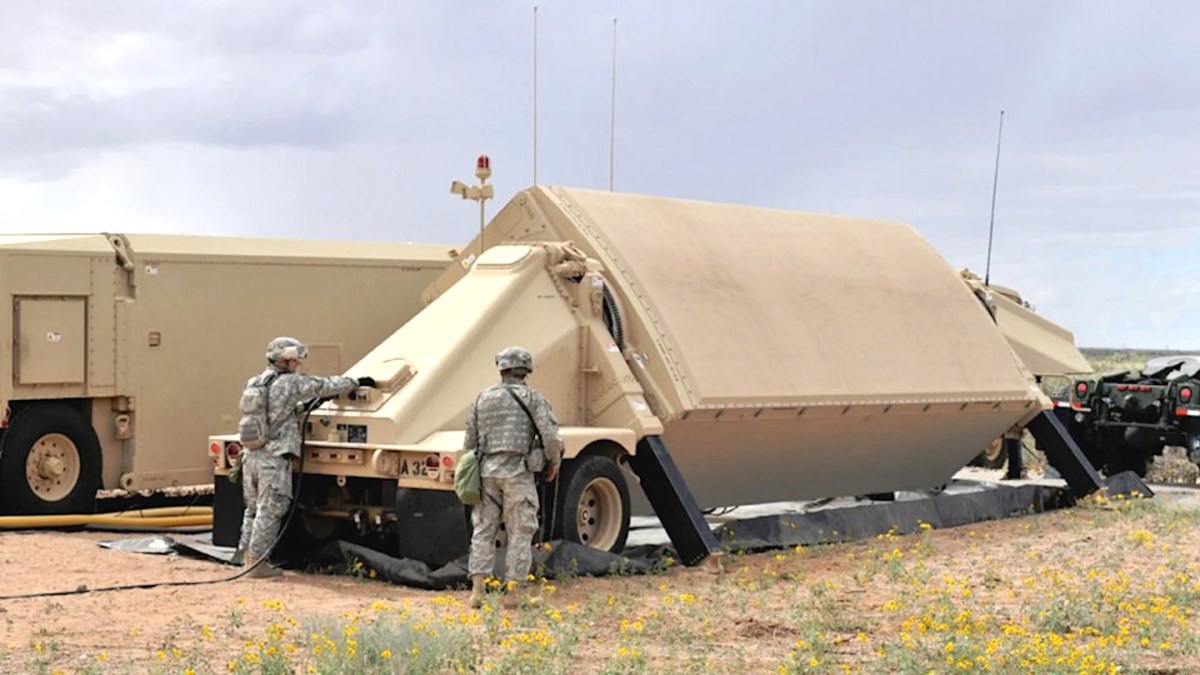
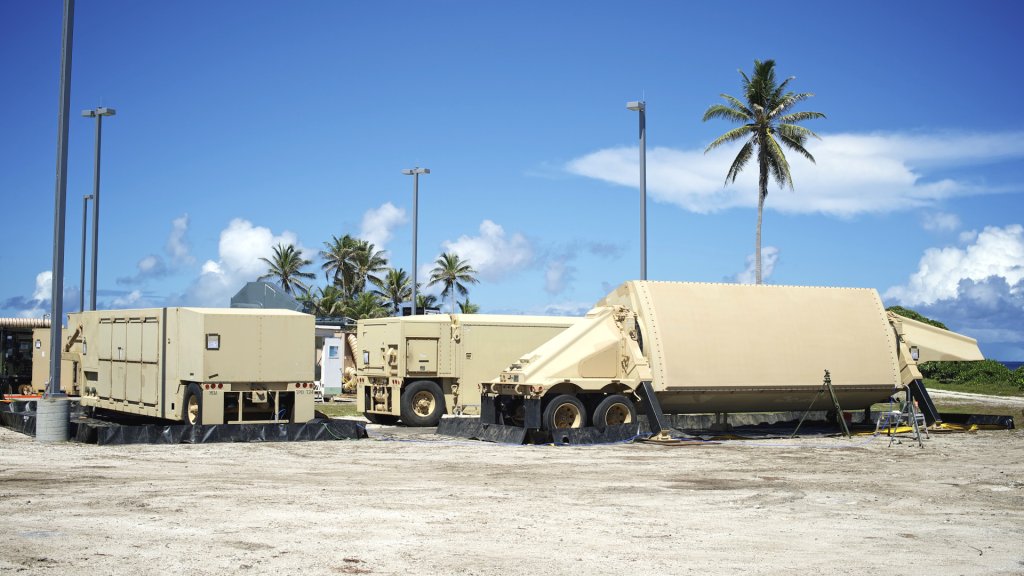
The AN/TPY-2 radar is a high-powered, X-band radar used in two primary modes: forward-based and terminal. In its forward-based mode, it detects and tracks ballistic missiles shortly after launch, providing critical early warning data to interceptors. In terminal mode, it guides THAAD interceptors during the final phase of an engagement. The radar is known for its long-range detection capabilities, but its size and weight make it difficult to relocate. Typically, it requires multiple heavy trucks and significant time to set up, often taking hours or even days to move. This static nature has become a significant liability in modern warfare, where adversaries like Iran have developed sophisticated missile and drone capabilities to target such high-value assets.
During the Iran war, Iranian forces successfully targeted and destroyed at least one AN/TPY-2 radar, demonstrating the vulnerability of these systems. The attack underscored that static radars are easy to locate and strike, especially when adversaries have access to long-range precision munitions. The loss of such a radar not only degrades the missile defense capability but also creates a significant gap in the overall defense network. This incident has prompted the MDA to reconsider its approach to radar deployment, prioritizing mobility as a means of survival.

The FBM Radar Next Program
In response to these lessons, the MDA has issued a call for innovative prototype concepts for the FBM Radar Next. The agency is currently in the pre-solicitation phase, but it plans to award contracts through an Other Transaction Authority (OTA) agreement, which allows for rapid prototyping and development outside traditional procurement processes. The goal is to develop a radar that is significantly more mobile than the AN/TPY-2, with the ability to move quickly and set up in a matter of hours, or even minutes, to avoid becoming a stationary target.
The MDA's budget request for Fiscal Year 2027 includes funding for two next-generation radar prototypes to mature emerging technologies for the future FBM Radar fleet. This investment signals a commitment to advancing radar technology while addressing the operational need for mobility. The prototypes will likely incorporate advanced materials, modular designs, and automated setup systems to reduce the logistical footprint and time required for deployment.
Lessons from the Iran War
The Iran war provided a stark demonstration of the changing nature of missile defense. Adversaries are now capable of conducting coordinated strikes using a mix of ballistic missiles, cruise missiles, and drones, overwhelming traditional defense systems. Static radars are particularly vulnerable because they emit detectable signals and have a fixed location. Once located, they can be targeted with precision strikes, as seen in the destruction of the AN/TPY-2.
The MDA's emphasis on mobility is a direct acknowledgment that survivability is as important as detection capability. A mobile radar can relocate after each engagement or even after a single transmission, making it difficult for adversaries to track and strike. This concept, known as 'shoot and scoot,' is already used in other military domains, such as artillery, and is now being applied to missile defense radar.
Moreover, the Iran war highlighted the need for radars to operate in a networked environment, where data from multiple sensors can be fused to provide a comprehensive picture. A mobile radar must be able to integrate seamlessly into this network, sharing data with other assets while on the move. This requires advanced communication systems and robust cybersecurity measures.
Technological Challenges and Innovations
Developing a radar that is both powerful and mobile presents significant technological challenges. The AN/TPY-2's long-range detection capability is partly due to its large antenna array and high power output. To achieve similar performance in a smaller, more mobile package, engineers must explore new technologies such as gallium nitride (GaN) amplifiers, which offer higher efficiency and power density. GaN-based radars can be smaller and lighter while maintaining or even improving performance.
Another approach is the use of active electronically scanned array (AESA) antennas, which can be made thinner and more compact than traditional parabolic dishes. AESA radars can also be divided into smaller modules that can be transported separately and assembled on site, reducing the need for heavy vehicles. However, assembly time is a critical factor; the goal is to minimize the time from arrival to operational capability.
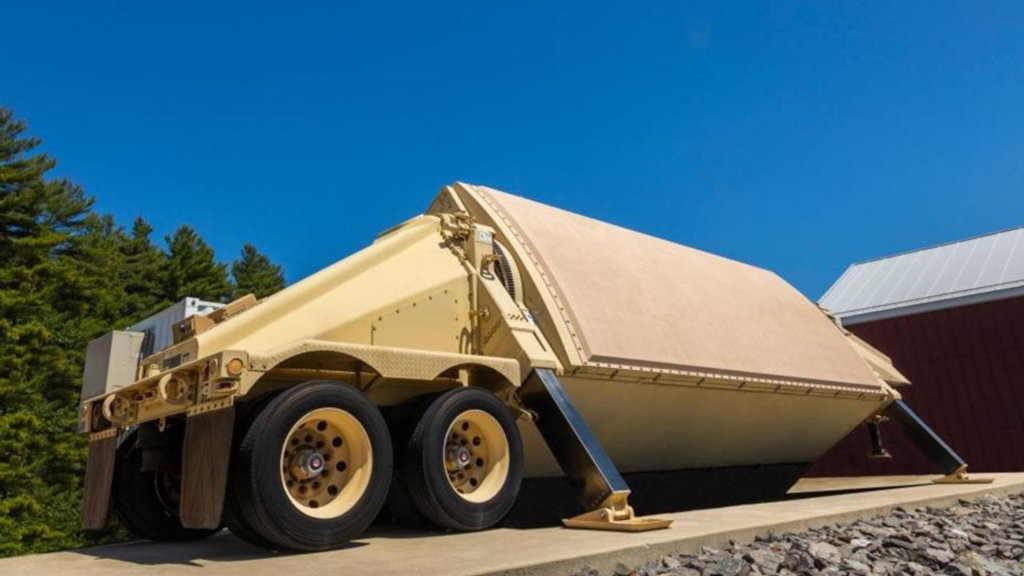
Automation will play a key role in reducing setup time. Future radars could feature self-leveling systems, automated cable connections, and software-defined configurations that allow for rapid calibration. Some concepts envision radars mounted on trailers that can be towed by standard military trucks, with the antenna folding down for transport and erecting in minutes.
Additionally, the radar must be designed to survive in a contested environment. This includes hardening against electronic warfare, such as jamming and spoofing, as well as physical protection against shrapnel and blast effects. The use of distributed apertures, where multiple smaller radars are networked together, could also enhance survivability by making it harder for an adversary to disable the entire system.
Operational Implications
The shift to mobile radars will have significant operational implications for the U.S. military. It will allow for more flexible deployment options, enabling radars to be positioned closer to potential threats without exposing them to unnecessary risk. This could enhance the overall effectiveness of the missile defense network by providing earlier detection and tracking data.
Mobile radars also support the concept of 'distributed lethality,' where assets are spread out to complicate an adversary's targeting. Instead of a few large, fixed radars, the military could deploy a larger number of smaller, mobile units that can be repositioned as needed. This approach increases resilience, as the loss of one unit does not cripple the entire network.
However, mobility comes with trade-offs. A smaller radar may have reduced range or sensitivity compared to the AN/TPY-2, potentially affecting its ability to detect certain threats. To mitigate this, the MDA may need to develop a family of radars with different capabilities, or rely on networked operations to compensate for individual limitations.
The FBM Radar Next program is also expected to influence other radar development efforts within the military. The technologies and lessons learned could be applied to other systems, such as the Army's Lower Tier Air and Missile Defense Sensor (LTAMDS) or the Navy's SPY-6 radar, to enhance their mobility and survivability.

Conclusion
The MDA's pursuit of a more mobile missile defense radar is a necessary evolution in response to modern threats. The loss of an AN/TPY-2 during the Iran war served as a wake-up call, highlighting the vulnerability of static assets. The FBM Radar Next program aims to address this by developing a radar that can move quickly and operate in a contested environment. While technological challenges remain, the investment in prototypes and the use of OTA agreements signal a commitment to rapid innovation. The result will be a more resilient and effective missile defense capability, better suited to the dynamic nature of future conflicts.
This article is based on reporting by twz.com. Read the original article.
Originally published on twz.com