シリアでTHAADシーカーの回収の可能性、防空ミサイル技術の露出に懸念
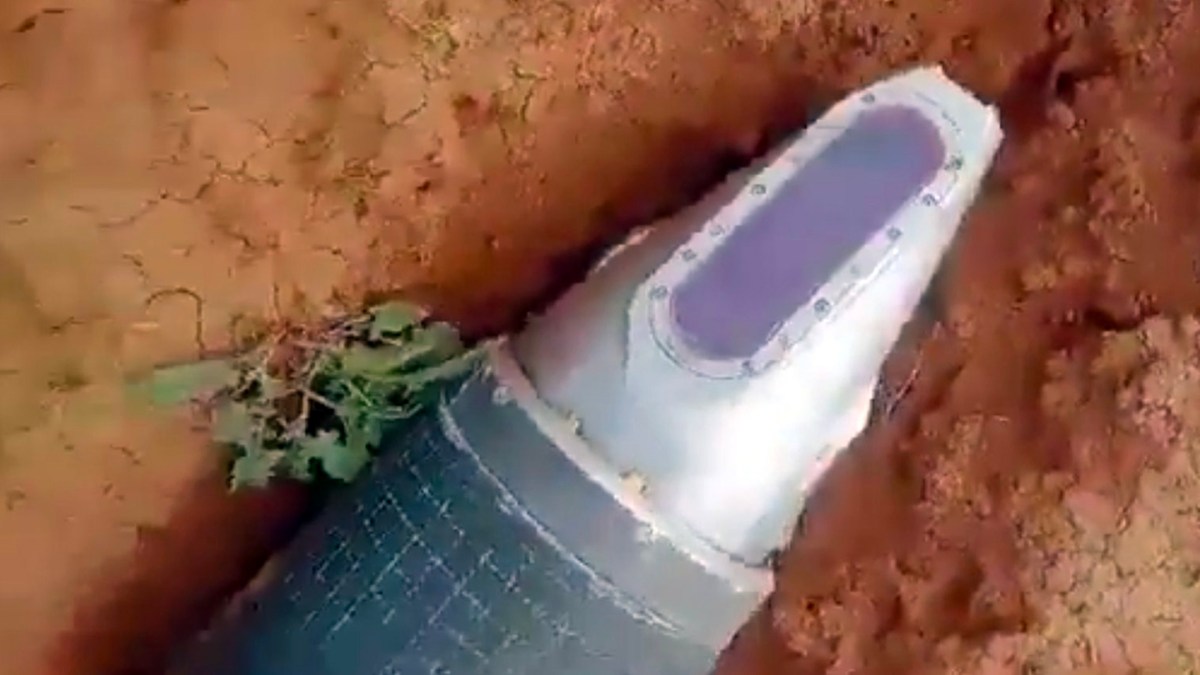
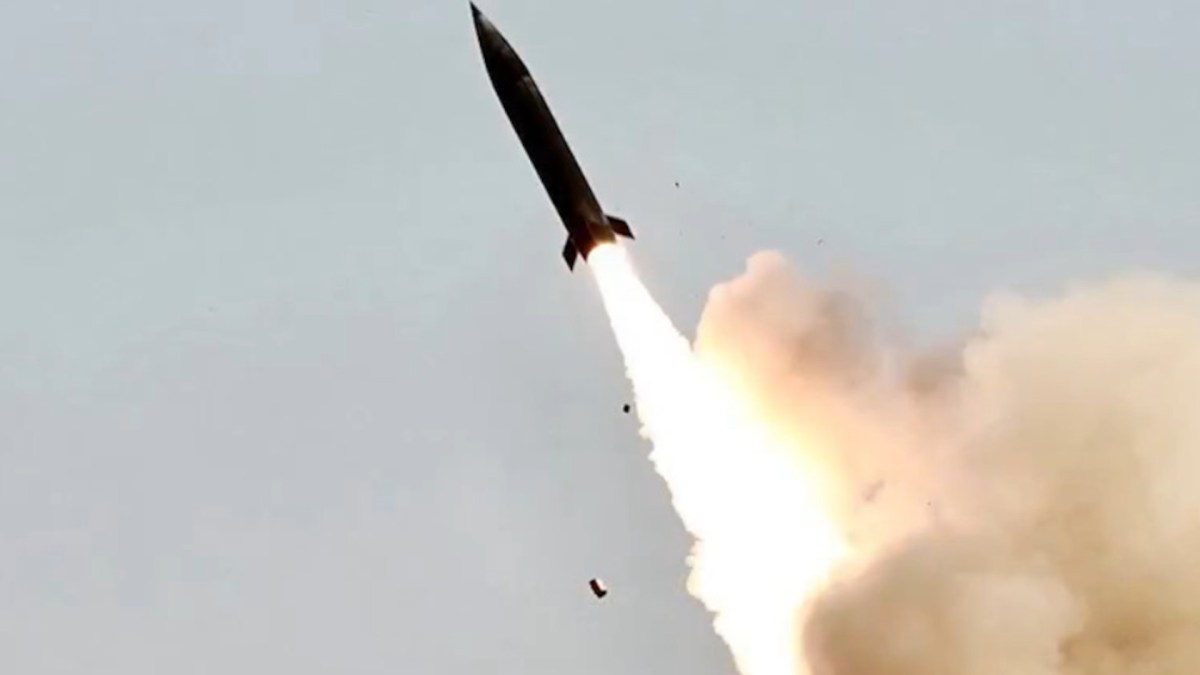
米軍THAAD迎撃弾のものとみられる赤外線シーカーがシリアで見つかった可能性があり、確認されれば機密性の高いミサイル防衛技術が露出する恐れがある。
- THAAD迎撃弾の一部とみられる部品がシリアで見つかった可能性がある。
- 事実なら、米国のミサイル防衛技術の機微な詳細が露出する恐れがある。
「military technology」のタグが付いた記事一覧

米軍THAAD迎撃弾のものとみられる赤外線シーカーがシリアで見つかった可能性があり、確認されれば機密性の高いミサイル防衛技術が露出する恐れがある。

A new Secure World Foundation assessment says more countries are developing ways to disrupt or target space systems, while jamming of GPS and communications satellites is also increasing.

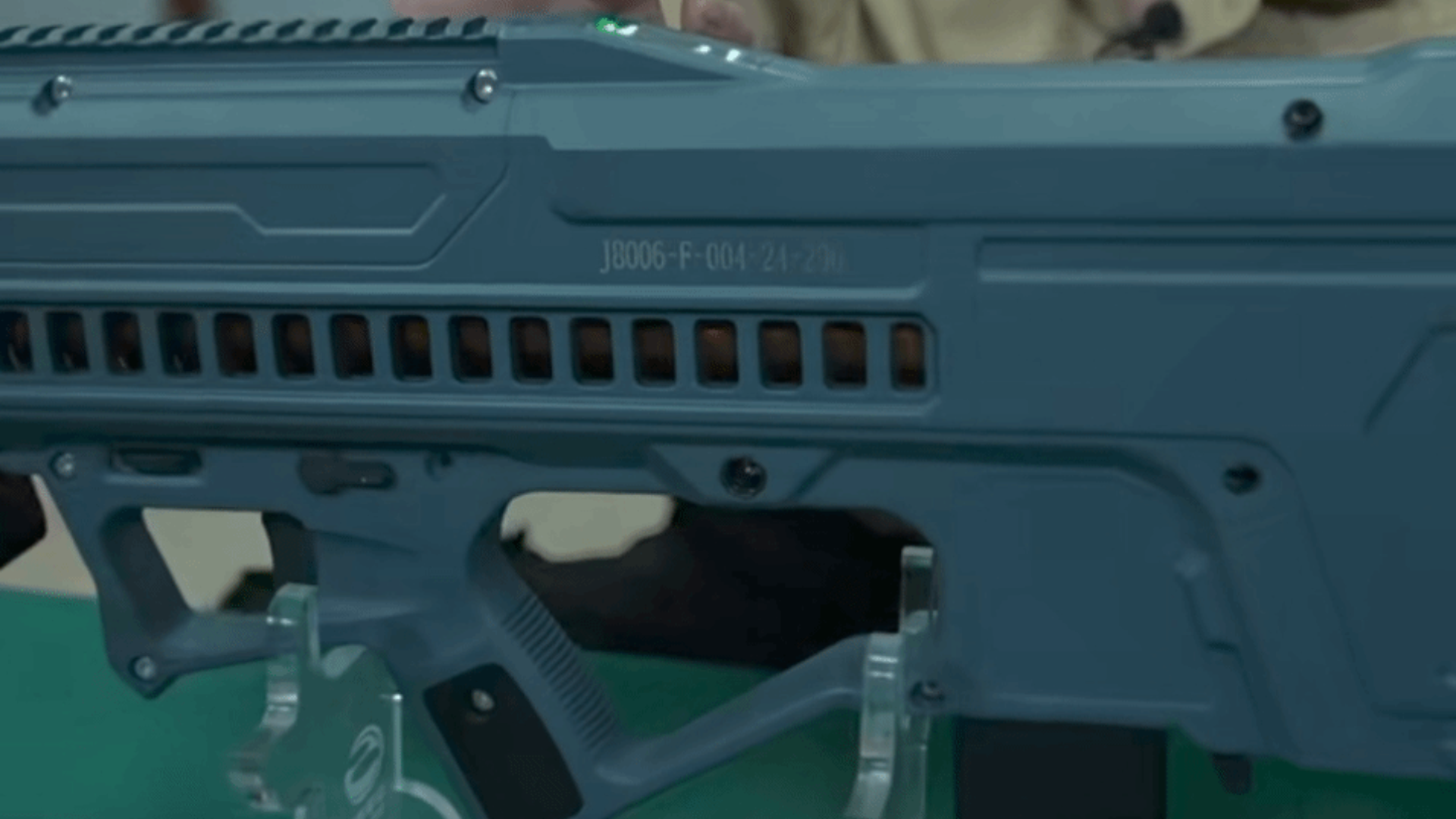
A reported pistol-like coil gun from China suggests electromagnetic launch concepts are continuing to move into smaller, more specialized formats focused on controlled and potentially non-lethal use.

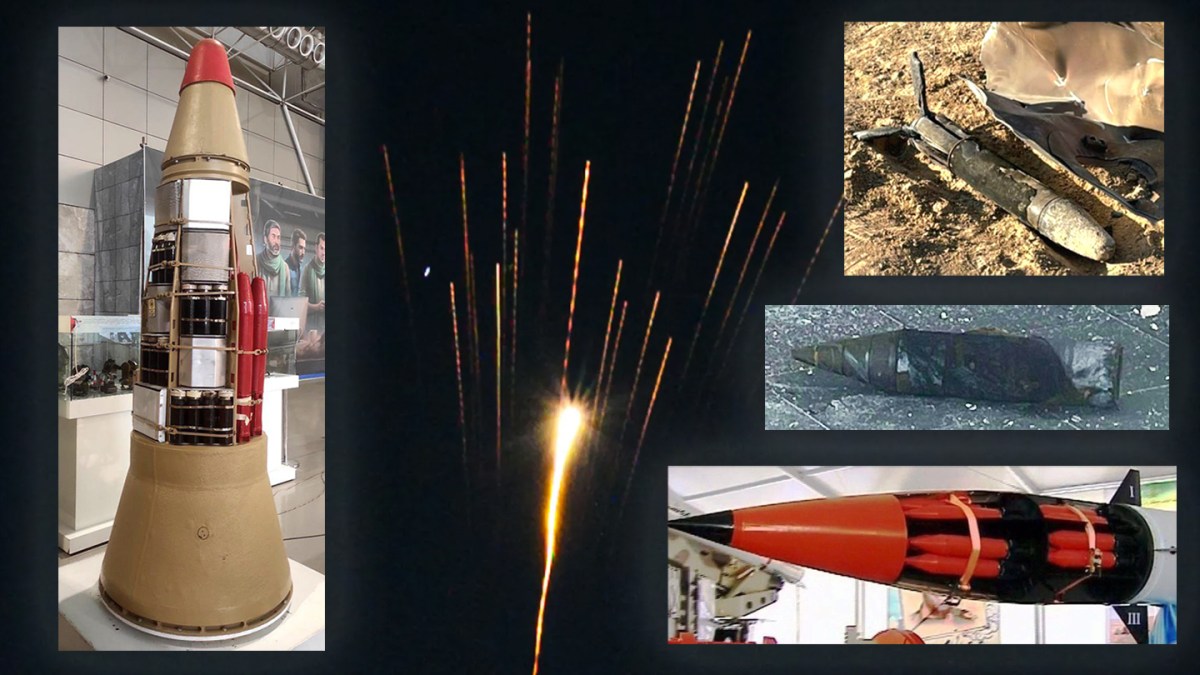
Iran’s use of ballistic missiles that release cluster munitions at high altitude is highlighting a vulnerability in terminal missile defense and increasing pressure on mid-course interceptors.
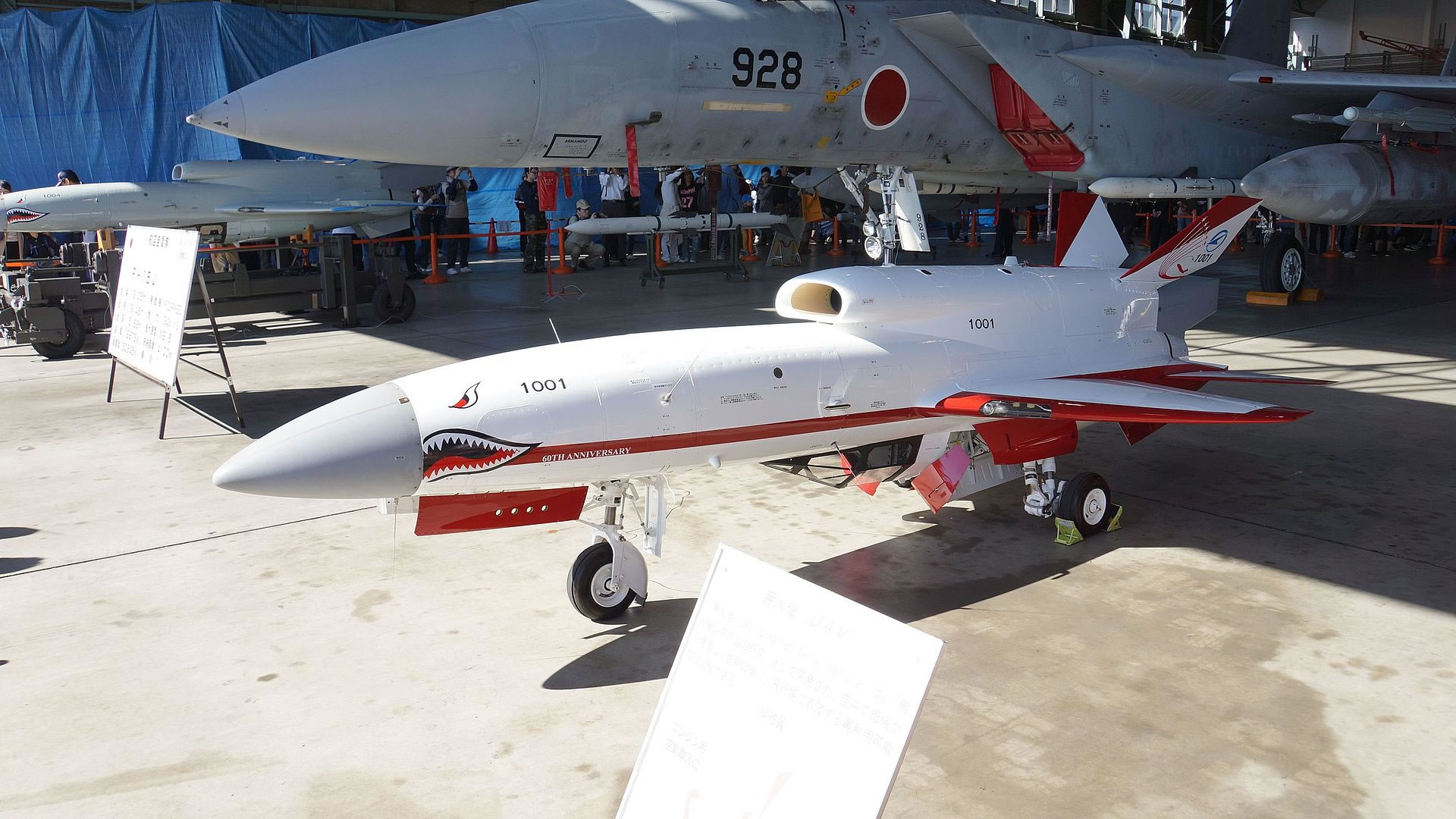
Japan’s reported plan to build up kamikaze drones and low-cost missiles points to a defense strategy centered on range, affordability, and mass.
中国の戦場用ドローン向けハイブリッド推進アプローチが報じられたことで、軍の設計者が1つのシステムで航続性能、音響的な秘匿性、運用の柔軟性を両立させようとしていることがうかがえる。
Military planners explore adapting Ukraine-proven FPV drone tactics for extreme cold Arctic environments, facing unique challenges from temperature, terrain, and GPS denial.
After burning through billions in missiles in three days, the US military is turning to Ukraine's battle-tested $1,000 interceptor drones for affordable air defense.
The US Marine Corps is pursuing wearable thermal cloaks that mask body heat signatures from infrared cameras and drone sensors.
The U.S. military's next-generation Precision Strike Missile made its combat debut during Operation Epic Fury, doubling the range of its predecessor ATACMS.
The U.S. military has used its LUCAS long-range kamikaze drones in combat for the first time during Operation Epic Fury against Iran. The drones, reverse-engineered from Iran's Shahed-136 design, cost just $35,000 each and were deployed by the newly created Task Force Scorpion Strike.
Facing severe personnel shortages after three years of conflict, Ukraine is transforming its military doctrine around autonomous and semi-autonomous drones. What began as improvised drone warfare has matured into a systematic shift where machines increasingly fill roles once held by infantry soldiers.
Defense analysts are sounding the alarm that NATO lacks the doctrine, technology, and infrastructure to counter drone threats in the Arctic region. As Russia and China expand their military presence in the High North, the alliance faces a critical capability gap in one of the world's most strategically important theaters.
The Defense Innovation Unit has announced a $100 million Orchestrator Prize Challenge, seeking technology that lets commanders control mixed swarms of drones from different manufacturers using plain language commands. The program represents a strategic pivot from buying individual drones to coordinating autonomous fleets.
The U.S. Army has established the Pathway for Innovation and Technology office to connect frontline soldiers' ideas with rapid-acquisition programs. The new office aims to bridge the gap between small-scale prototyping hubs and the large program offices that manage production at scale.
The Government Accountability Office is pushing for the Pentagon's research and engineering office to gain budget certification authority over military departments' technology investments, but the Army, Navy, and Air Force have pushed back sharply.