Beyond Buying Drones: The Orchestration Problem
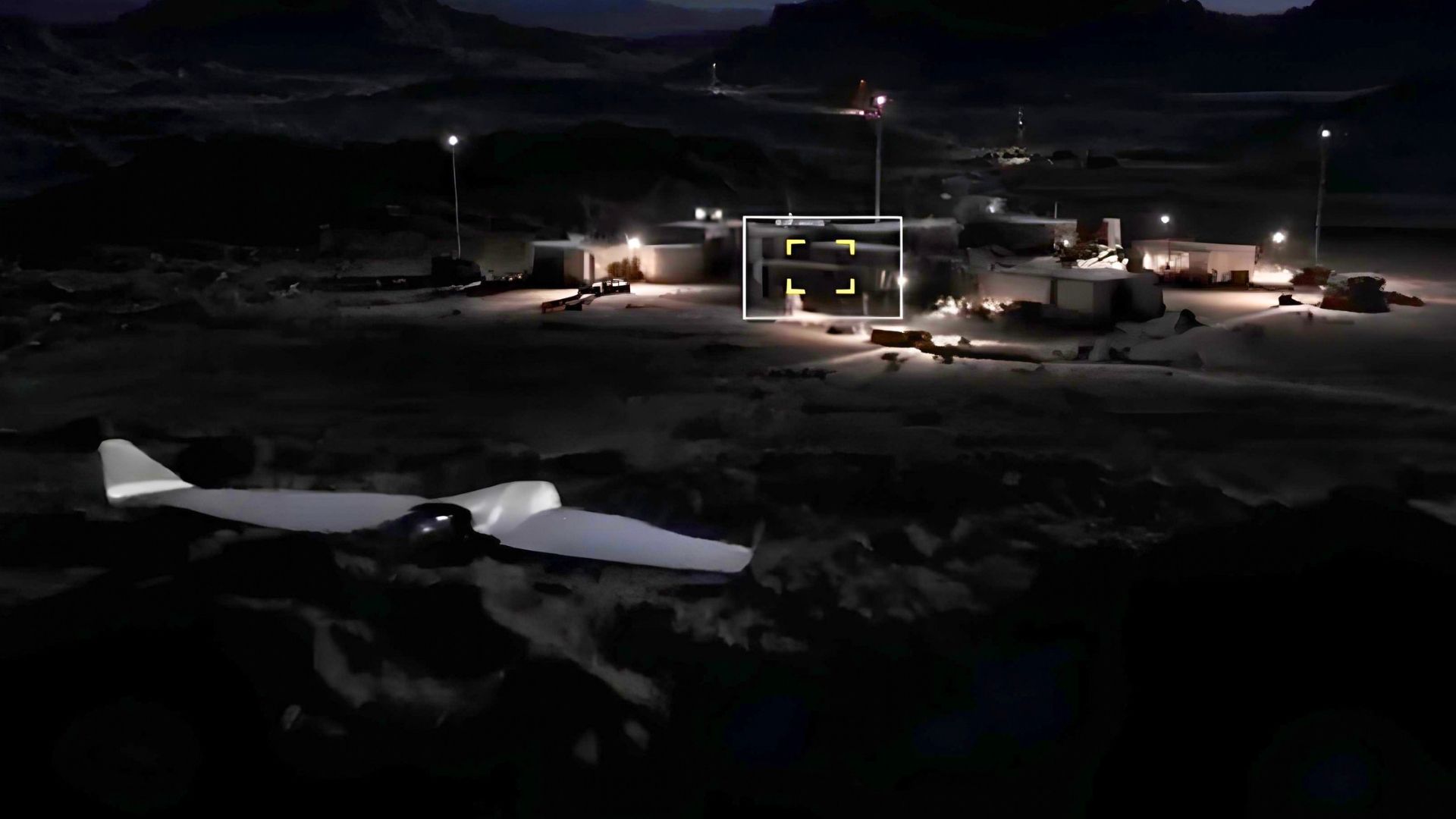
The U.S. military has spent billions acquiring autonomous drones, but it faces a problem that money alone hasn't solved — how to effectively command swarms of different unmanned vehicles from different manufacturers across land, sea, and air simultaneously. The Pentagon's new $100 million Orchestrator Prize Challenge, announced by the Defense Innovation Unit, aims to crack exactly this problem.
The challenge represents a fundamental shift in how the military thinks about autonomous warfare. Rather than focusing on individual drone capabilities or bulk procurement, the Orchestrator program targets the command-and-control layer that would allow a single operator or small team to direct complex multi-domain operations involving dozens or hundreds of unmanned systems working in concert.
"We want orchestrator technologies that allow humans to work the way they already command — through plain language that expresses desired effects, constraints, timing, and priorities — not by clicking through menus or programming behaviors," said Lt. Gen. Frank Donovan, who leads the Defense Autonomous Warfare Group. The vision is a system where a commander could say something like "establish a surveillance perimeter around this area and alert me to any movement" and have the technology translate that into coordinated actions across multiple drone types.
Lessons from Replicator
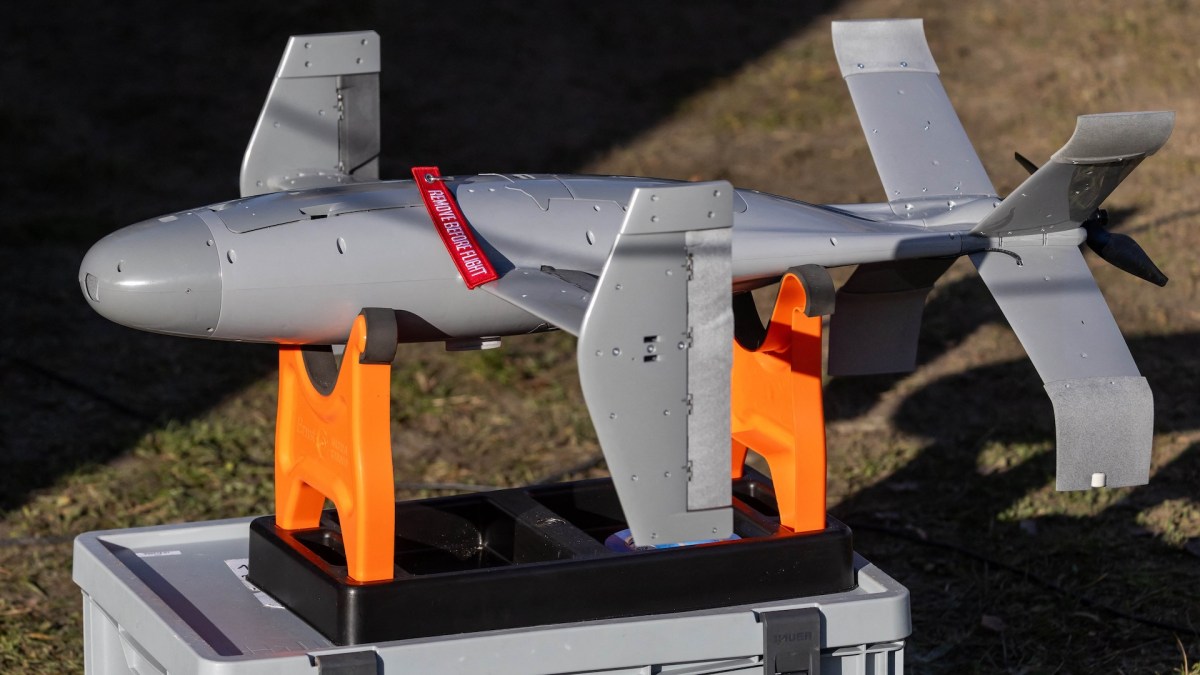
The Orchestrator Challenge is being run jointly by the Defense Innovation Unit, the Defense Autonomous Warfare Group (DAWG), and the Navy. DAWG is essentially a rebranding of the Replicator initiative, which sought to rapidly procure thousands of small, highly autonomous drones. While Replicator succeeded in accelerating procurement timelines compared to traditional defense acquisition, it missed key delivery milestones, including an important August target.
The shortcomings of Replicator highlighted an uncomfortable truth: having large numbers of drones means little without the ability to coordinate them effectively. Individual drone operations are well understood, and small-unit drone tactics have been demonstrated extensively in Ukraine and other conflicts. But scaling from a handful of operator-controlled drones to true swarm behavior involving hundreds of autonomous agents remains an unsolved engineering and doctrinal challenge.
Ukraine's experience has set the pace for what the Pentagon is chasing. Ukrainian forces launched over 200,000 drone strikes in 2024 alone, developing tactics and coordination methods under the pressure of active combat. That real-world laboratory has demonstrated both the extraordinary potential of drone warfare and the limitations of current command-and-control systems when operations scale beyond what individual operators can manage.
The Technical Challenge
Building a drone swarm orchestrator involves several intersecting technical problems. First, the system must be able to communicate with drones from multiple manufacturers, each with different control protocols, sensor packages, and capabilities. Defense procurement has historically resulted in a patchwork of systems that don't naturally interoperate.
Second, the orchestrator must translate high-level human intent into specific low-level actions for individual vehicles. When a commander says "establish overwatch," the system needs to determine how many drones to deploy, where to position them, what sensors to activate, how to handle vehicles that malfunction or are destroyed, and how to adapt if the tactical situation changes.
Third, the system must be resilient to electronic warfare. Adversaries will attempt to jam communications, spoof GPS signals, and disrupt the links between the orchestrator and individual drones. The system needs to function in degraded communication environments, with individual drones able to continue their missions even if they temporarily lose contact with the central controller.
Finally, there's the bandwidth problem. Real-time coordination of large drone formations generates enormous amounts of data — sensor feeds, position reports, status updates, and tactical information. Processing this data and making decisions fast enough to be militarily relevant requires advances in edge computing, AI-driven decision support, and efficient communication protocols.
Industry and Geopolitical Context
The $100 million prize structure is designed to attract both traditional defense contractors and smaller technology companies that might not normally engage with military procurement. The challenge format, rather than a traditional contract, lowers barriers to entry and allows the Pentagon to evaluate a wider range of approaches before committing to a specific technology path.
The urgency is driven partly by competitor nations' investments in similar capabilities. China has demonstrated large-scale drone swarm operations in military exercises and civilian drone shows that showcase underlying coordination technology. Russia, despite lagging in many areas of drone technology, has shown the ability to use large numbers of relatively simple drones to overwhelm air defenses.
For the U.S. military, the Orchestrator Challenge represents an acknowledgment that the future of autonomous warfare isn't about having the most advanced individual drone — it's about having the best system for making thousands of autonomous agents work together toward a common objective. The $100 million investment signals that the Pentagon considers this capability not just desirable but essential for maintaining military advantage in the coming decade.
This article is based on reporting by Defense One. Read the original article.
Originally published on defenseone.com