A Friday Deadline and a Firm Refusal
The confrontation between Anthropic and the Pentagon escalated dramatically this week as CEO Dario Amodei publicly declared he would not comply with Defense Secretary Pete Hegseth's demands to remove guardrails on military use of the company's Claude AI models. The standoff has become the highest-profile clash yet between an AI safety-focused company and the U.S. defense establishment, with implications that could reshape the relationship between Silicon Valley and the military-industrial complex.
Amodei was summoned to the Pentagon for a Tuesday morning meeting with Hegseth, who reportedly gave the AI executive until 5:01 p.m. Friday to comply with the military's demand for unrestricted access to Anthropic's models. The ultimatum was accompanied by two threats: invoking the Defense Production Act to compel compliance, and declaring Anthropic models a "supply chain risk" — a designation that would effectively blacklist the company across all government suppliers.
The Contract at the Center of the Dispute
At issue is a $200 million contract between Anthropic and the Department of Defense. The agreement, which both parties signed, includes explicit provisions barring the military from using Claude models as the decision-making engine for autonomous weapons systems or for mass surveillance of American citizens. These restrictions reflect Anthropic's founding philosophy of developing AI responsibly, with human oversight maintained in high-stakes applications.
Hegseth's position is that the military should be able to use the models for "all lawful purposes" — a framing that would effectively nullify the contractual guardrails. From the Pentagon's perspective, the restrictions hamper the military's ability to fully leverage cutting-edge AI capabilities at a time when adversaries are racing to integrate artificial intelligence into their own defense systems.
The Ethical Core of the Argument
Amodei's refusal is grounded in a straightforward argument about accountability. In an interview following the Pentagon meeting, the CEO explained that military operations have traditionally relied on human judgment to ensure compliance with constitutional rights and rules of engagement. If AI systems make autonomous decisions in combat or surveillance contexts, there is no human being positioned to raise objections or exercise moral discretion.
"I cannot in good conscience accede" to the Pentagon's demands, Amodei stated, underscoring that the original contract terms were agreed upon by government officials and should be honored. The CEO has a strong legal case — contracts are bilateral agreements, and unilateral demands to alter terms after signing generally lack enforceability without legislative backing.
The Defense Production Act Threat
The invocation of the Defense Production Act represents a significant escalation. The law, originally enacted during the Korean War, grants the president broad authority to compel private companies to prioritize government contracts and produce goods deemed essential for national defense. While it has been used in emergencies — most recently during the COVID-19 pandemic to accelerate vaccine production — applying it to force an AI company to remove ethical guardrails would represent an unprecedented application of the statute.
Legal experts are divided on whether such an invocation would survive judicial scrutiny. The Act was designed to address supply shortages of physical goods, not to override contractual limitations on how software can be used. An Anthropic legal challenge could result in years of litigation, during which the company's existing contract terms would likely remain in force.
The Broader Implications for AI and Warfare
The Anthropic standoff arrives at a pivotal moment in the evolution of military AI. For years, the defense establishment maintained a doctrine of keeping a "human in the loop" for AI-assisted weapons systems — often a government lawyer who can make real-time calls on rules-of-engagement questions. But that doctrine is eroding rapidly as the pace of modern warfare accelerates.
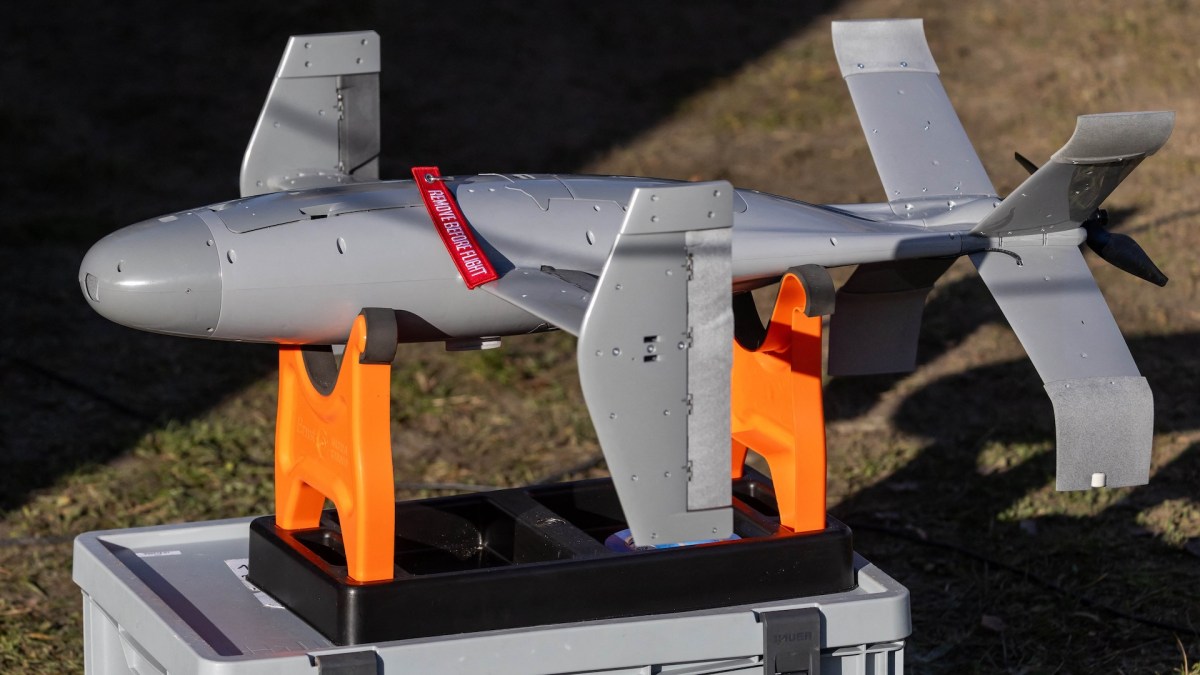
Technologies like electronic warfare, hypersonic missiles, and autonomous drone swarms are compressing decision timelines to the point where human review may become a tactical liability. Military leaders increasingly argue that whoever can shorten the "kill chain" — the sequence of communications and decisions involved in neutralizing a target — will dominate future conflicts. This logic pushes inexorably toward fully autonomous weapons systems.
A Pyrrhic Victory for Either Side
The standoff presents a potential lose-lose scenario for the AI safety movement. If Anthropic capitulates, it abandons the principles that distinguish it from competitors and undermines trust in voluntary AI safety commitments. If the company holds firm and is effectively frozen out of government contracts, a less scrupulous competitor — perhaps Elon Musk's xAI or another company without ethical use restrictions — would likely fill the vacuum.
This dynamic highlights a fundamental tension in the current approach to AI governance. Voluntary safety commitments are only as strong as the market and regulatory environment that supports them. When government pressure runs counter to safety principles, companies face an impossible choice between their values and their viability as defense contractors. The resolution of the Anthropic-Pentagon standoff will likely set precedents that echo through the AI industry for years to come.
This article is based on reporting by TechCrunch. Read the original article.
Originally published on techcrunch.com