A Reluctant Power Embraces Drone Warfare
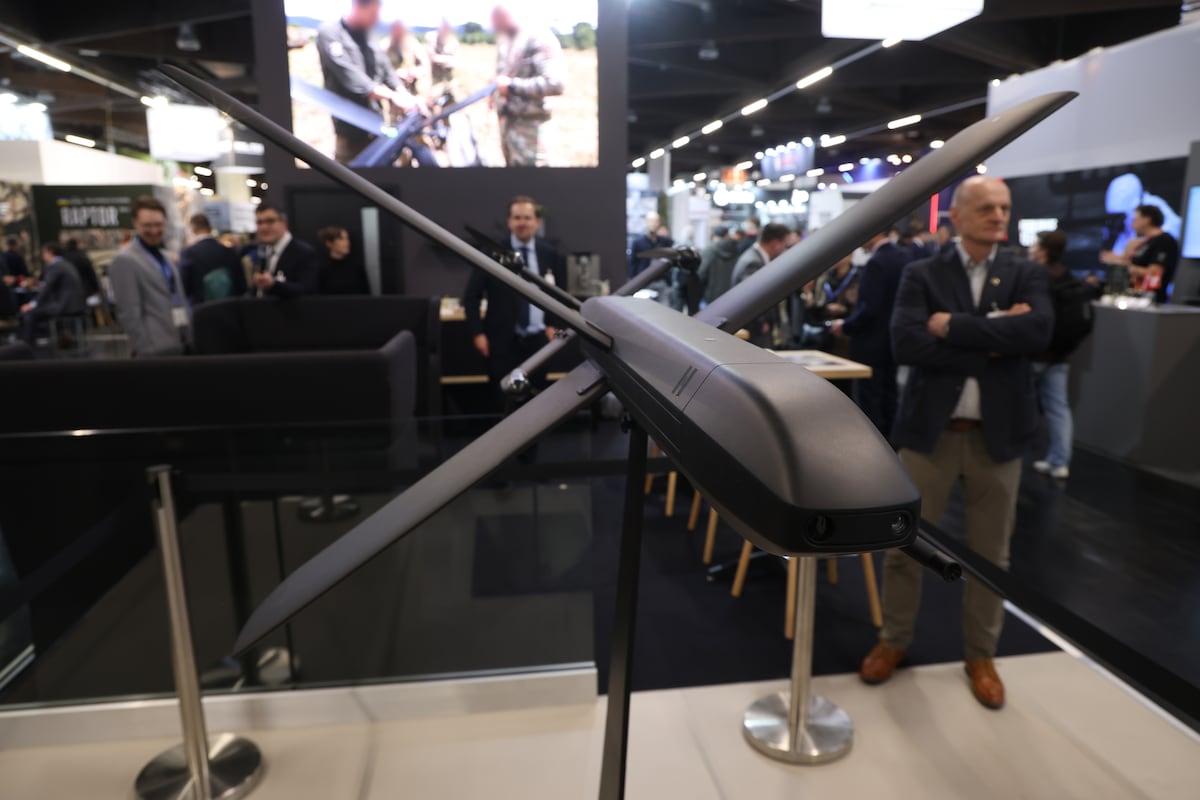
Germany has announced a sweeping investment in domestic production of one-way attack drones, establishing three German manufacturers for contracts that could ultimately reach billions of euros. The decision represents a remarkable transformation for a country whose post-World War II pacifist traditions made it one of the most cautious major powers when it came to adopting autonomous strike weapons. The lessons of modern warfare — particularly the conflict in Ukraine — have overridden those inhibitions.
The German government's plan calls for building a domestic industrial base capable of producing large quantities of expendable attack drones, reducing the country's dependence on foreign suppliers and ensuring a reliable supply chain for a weapons category that has proven indispensable in contemporary combat. The initiative is part of Germany's broader defense spending increase, which accelerated dramatically after Russia's invasion of Ukraine prompted a historic reevaluation of European security.
From Hesitation to Urgency
Germany's journey to this moment has been notably tortuous. For decades, the country lagged behind allies like the United States, Israel, and Turkey in developing and fielding armed drone systems. German defense procurement was shaped by a political culture that viewed autonomous weapons with deep suspicion, preferring to invest in defensive systems and peacekeeping capabilities. Even the acquisition of armed reconnaissance drones became a contentious political debate that took years to resolve.
That reluctance evaporated rapidly as the war in Ukraine demonstrated the battlefield dominance of cheap, expendable drones over expensive conventional platforms. German military planners watched as relatively inexpensive one-way attack drones destroyed tanks, artillery positions, and supply convoys that cost orders of magnitude more to produce. The strategic implications were impossible to ignore: a modern military that lacks drone warfare capability is a military that cannot compete.
The Three-Manufacturer Strategy
The decision to establish three domestic drone manufacturers is strategically significant. Rather than concentrating production in a single company, Germany is deliberately creating competition and redundancy in its drone supply chain. This approach hedges against the risk of production disruptions, encourages innovation through competitive pressure, and ensures that the knowledge and skills associated with drone manufacturing are distributed across the country's defense industrial base.
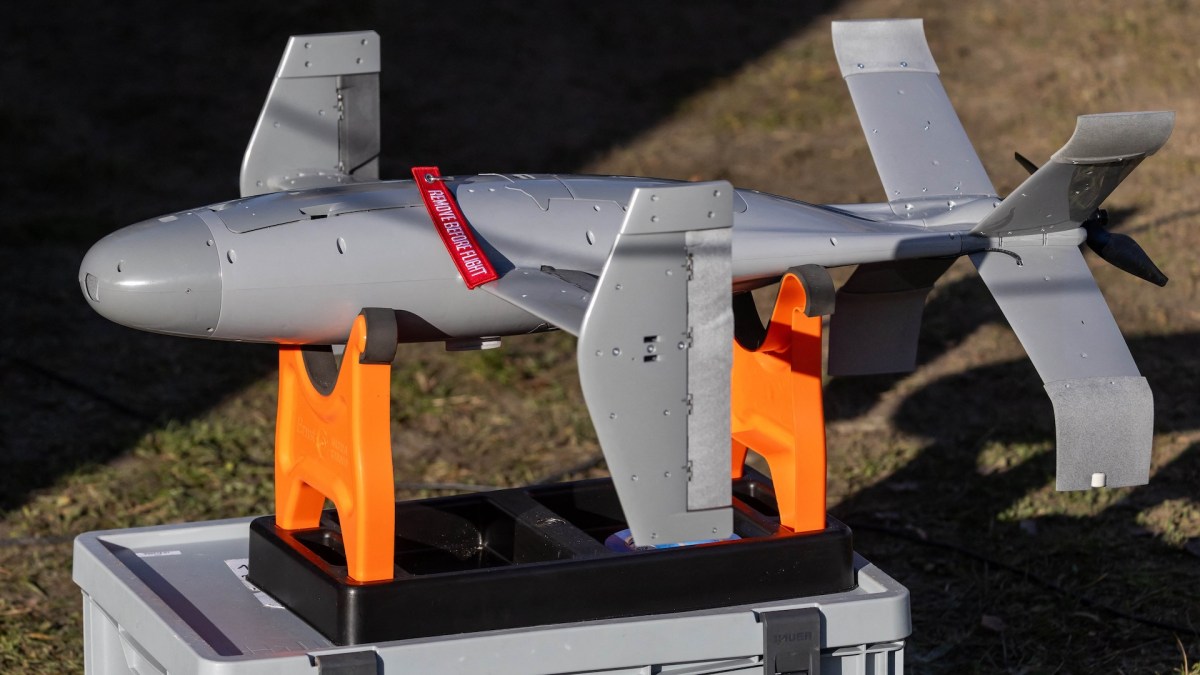
The three companies selected for the program will receive initial development and production contracts, with the potential for follow-on orders that could push the total program value into the billions of euros. The contracts cover one-way attack drones — weapons designed to fly to a target area, loiter while searching for threats, and then dive into the target in a kamikaze-style attack. These systems are distinct from the reusable reconnaissance and strike drones that have been the focus of most Western military drone programs.
Lessons From the Ukrainian Battlefield
The German program is explicitly informed by the operational experience of the Ukrainian armed forces, which have become the world's most experienced practitioners of drone warfare. Ukraine has employed one-way attack drones at enormous scale, using them for everything from precision strikes on high-value targets to suppression of enemy positions during ground assaults. The consumption rate has been staggering — Ukraine's military has used thousands of attack drones per month during periods of intense combat.
German military observers have drawn several key lessons from Ukraine's experience. First, drone production must be industrialized and sustained at high volume, because modern warfare consumes expendable systems at rates that small-batch production cannot support. Second, drones must be cheap enough that commanders are willing to use them in large numbers without excessive concern about cost. Third, the technology must be simple enough for frontline soldiers to operate with minimal training.
European Defense Industrial Implications
Germany's drone investment has implications that extend well beyond its own borders. As Europe's largest economy and most populous nation, Germany's defense procurement decisions shape the continent's defense industrial landscape. The establishment of three domestic drone manufacturers will create capabilities that could serve not only the Bundeswehr but also other European militaries seeking to build their own drone arsenals.
The initiative also positions Germany as a potential exporter of one-way attack drones, a market that has been growing rapidly as militaries around the world absorb the lessons of recent conflicts. Currently, that market is dominated by manufacturers in the United States, Israel, Turkey, and Iran. Germany's entry could provide European and allied nations with an alternative supplier that shares their security interests and is subject to European export controls.
The Scale of the Challenge
Building a competitive drone manufacturing industry from a standing start is no small undertaking. Germany will need to develop or acquire expertise in miniaturized guidance systems, electric propulsion, lightweight airframe design, and warhead integration. It will also need to establish testing and qualification facilities, train a specialized workforce, and create the supply chains for components that are currently sourced primarily from Asia.
The timeline is tight. Military planners recognize that the current European security environment demands rapid capability development rather than the multi-decade procurement timelines that have characterized past German weapons programs. The drone initiative will test whether Germany's defense industry can operate at the speed demanded by modern threats — a question that has implications for European security as a whole.
This article is based on reporting by C4ISRNET. Read the original article.
Originally published on c4isrnet.com