Iran's Own Playbook Turned Against It
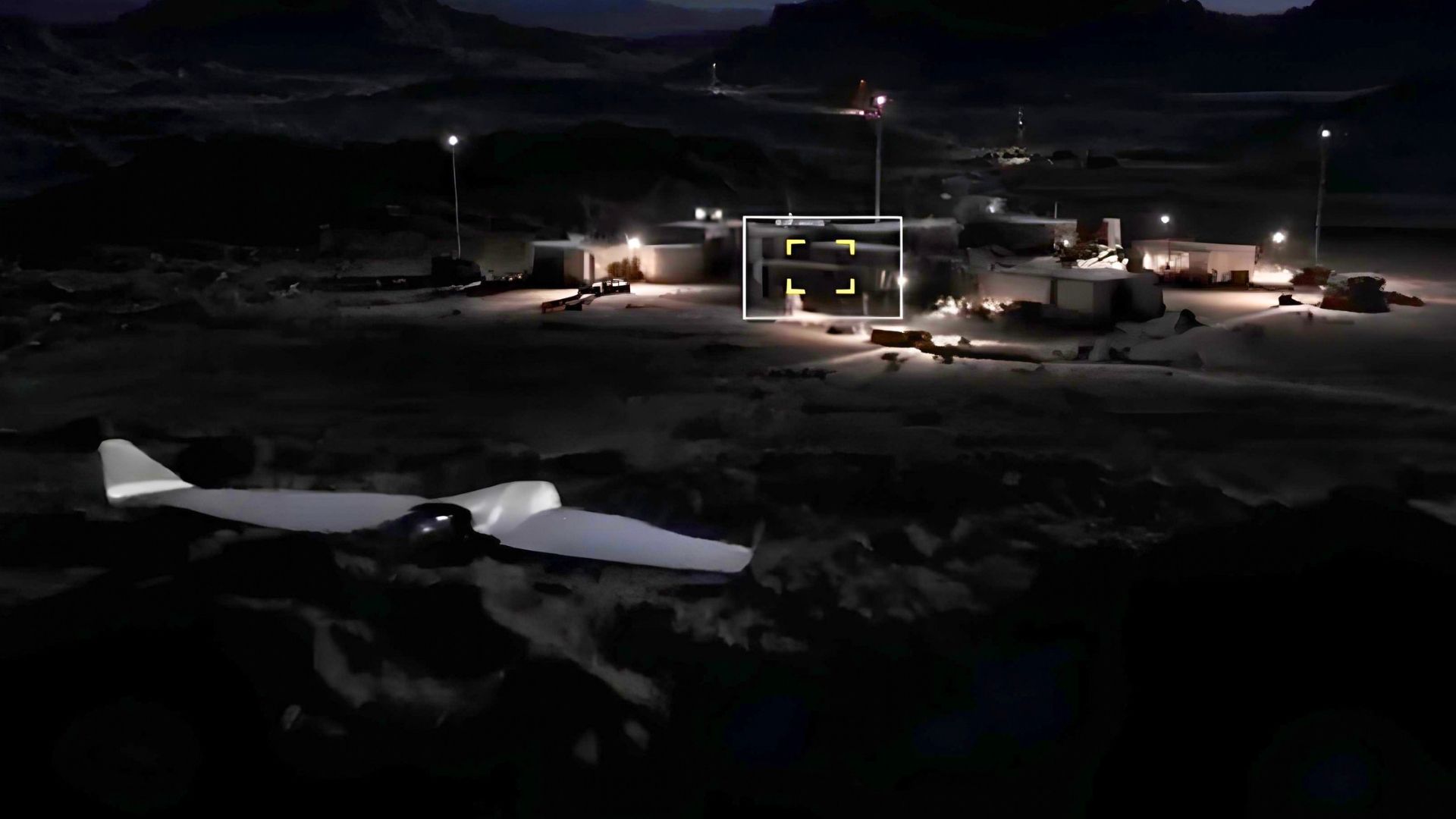
In what may be one of the most ironic developments of modern warfare, the United States military has deployed reverse-engineered copies of Iran's own kamikaze drone design against Iranian targets. U.S. Central Command confirmed on Saturday that LUCAS drones — the Low-cost Unmanned Combat Attack System — were used in combat for the first time during Operation Epic Fury, the joint U.S.-Israeli military campaign against Iran.
The deployment marks a watershed moment in American military strategy. For years, the Pentagon has watched adversaries like Iran, Russia, and their proxies use low-cost, expendable drones to devastating effect in conflicts from Ukraine to the Red Sea. Now, the United States has adopted the same approach, turning Iran's proven drone warfare concept against its creators.
What Is the LUCAS Drone?
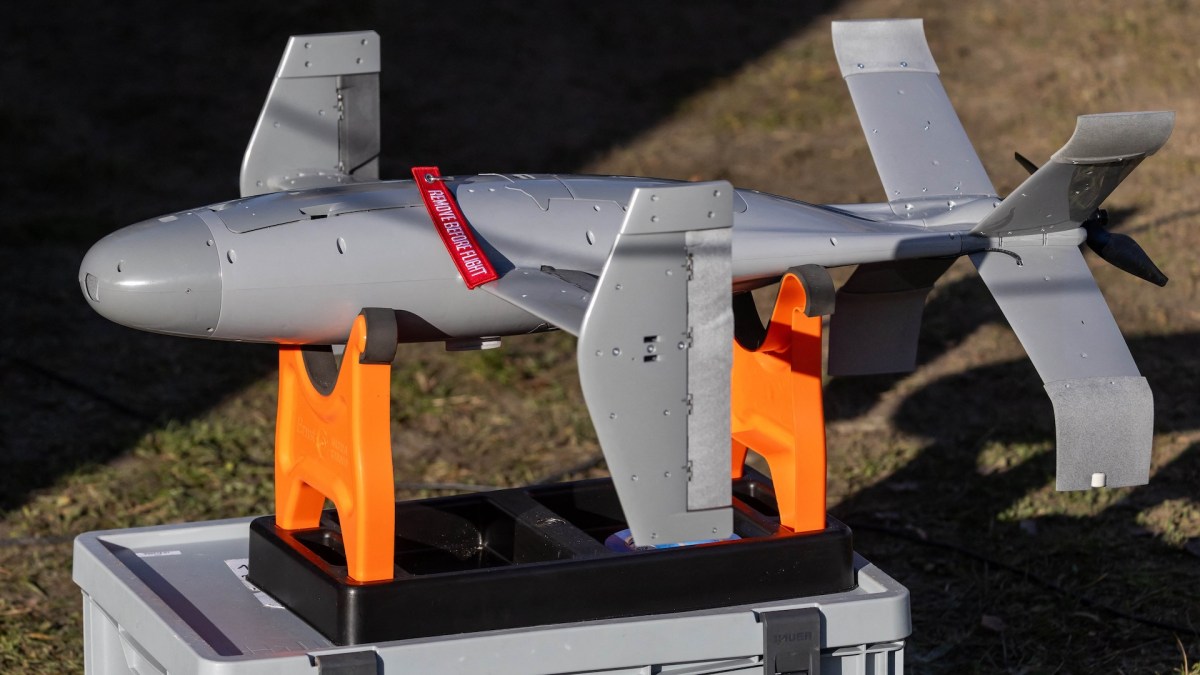
The LUCAS system is essentially America's clone of the Iranian Shahed-136, the delta-winged kamikaze drone that became infamous through Russia's use of it against Ukrainian cities. At approximately $35,000 per unit, the LUCAS represents a radical departure from the Pentagon's traditional approach of fielding expensive precision munitions. For context, a single Tomahawk cruise missile costs roughly $2 million — more than 57 times the price of a LUCAS drone.
Navy Captain Tim Hawkins, a CENTCOM spokesperson, described the system as "a low-cost, scalable system that provides cutting-edge capabilities at a fraction of the cost of traditional long-range U.S. systems that can deliver similar effects." The drone features an extensive range and the ability to operate beyond line of sight, providing significant capability across CENTCOM's vast operating area.
Task Force Scorpion Strike
The drones were launched by Task Force Scorpion Strike (TFSS), a unit established in December 2025 with the explicit mission of "flipping the script on Iran." The task force was purpose-built to operationalize the kind of asymmetric drone warfare that Iran and its proxies had long used against American interests and allies in the region.
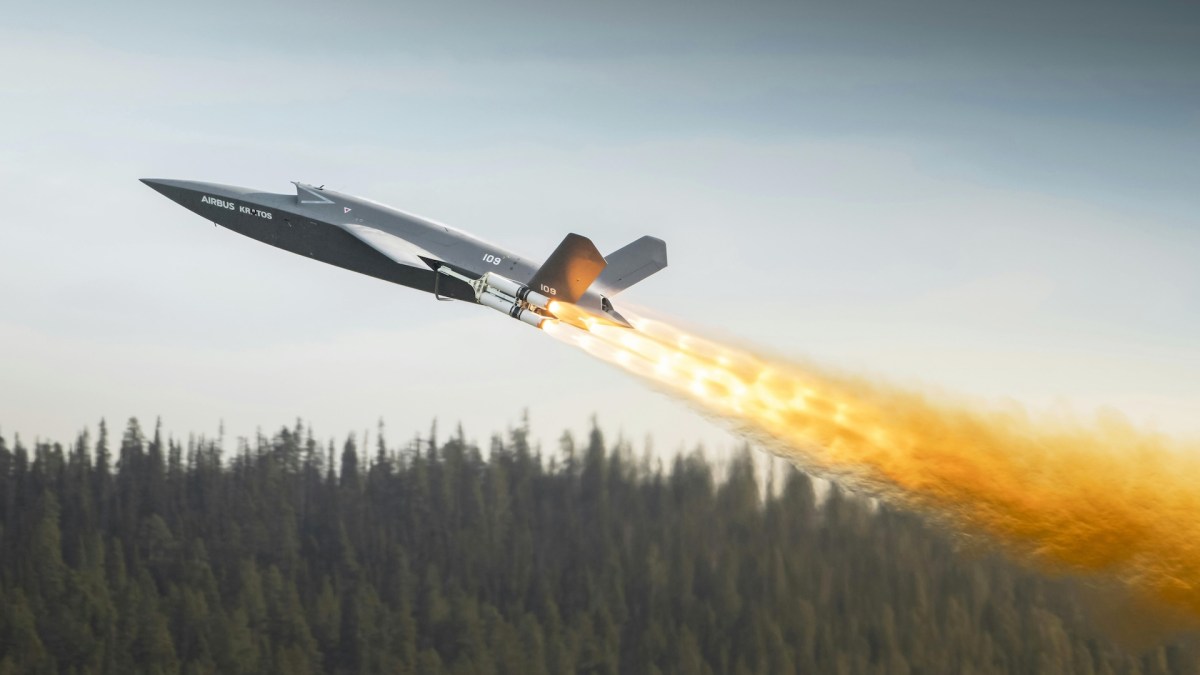
TFSS launched the LUCAS drones from ground-based positions within CENTCOM's area of operations. The system can be deployed via catapults, rocket-assisted takeoff, or mobile ground launchers, giving commanders significant flexibility in how and where to employ the weapons. Some variants are reportedly equipped with Starlink satellite terminals for advanced targeting coordination and beyond-line-of-sight command and control.
Swarm Capability and Autonomous Coordination
Perhaps the most significant aspect of the LUCAS program is its design for autonomous coordination and swarm tactics. A U.S. official confirmed that the drones support network-centric strikes, meaning multiple LUCAS units can coordinate their attacks without individual human control of each drone. This capability transforms the economics of military strikes: instead of launching a few expensive missiles, commanders can saturate defenses with dozens of low-cost autonomous drones.
The swarm capability is particularly relevant given the proliferation of air defense systems throughout the Middle East. While a single incoming drone might be intercepted relatively easily, a coordinated swarm of expendable drones can overwhelm even sophisticated air defense networks, creating gaps for other weapons to exploit.
The Naval Dimension
The LUCAS program has also been tested aboard naval vessels, specifically the USS Santa Barbara, an Independence-class Littoral Combat Ship. This naval integration suggests the Pentagon envisions using the drones not just from land bases but also from ships deployed throughout the region, extending the potential launch radius significantly.
The ability to deploy kamikaze drones from naval platforms is a relatively new concept for the U.S. military and reflects growing recognition that future naval warfare will rely heavily on unmanned systems. The low cost per unit means ships could carry dozens or even hundreds of LUCAS drones without the logistical burden of traditional munitions.
A Turning Point in American Drone Strategy
The War Zone, which had long advocated for American procurement of Shahed-class drones, noted that the combat debut of LUCAS validates a strategic argument that low-cost, expendable unmanned systems should play a central role in American military operations. The original Shahed-136 achieves approximately 1,242 miles of range with an 88-pound warhead and a top speed of 100 knots, though the exact specifications of the combat-ready LUCAS variants remain classified.
The deployment represents a philosophical shift for a military establishment that has traditionally prioritized exquisite, high-cost platforms. In an era of mass drone warfare, quantity increasingly has a quality all its own.
This article is based on reporting by twz.com. Read the original article.
Originally published on twz.com