A potentially significant intelligence loss has surfaced in Syria
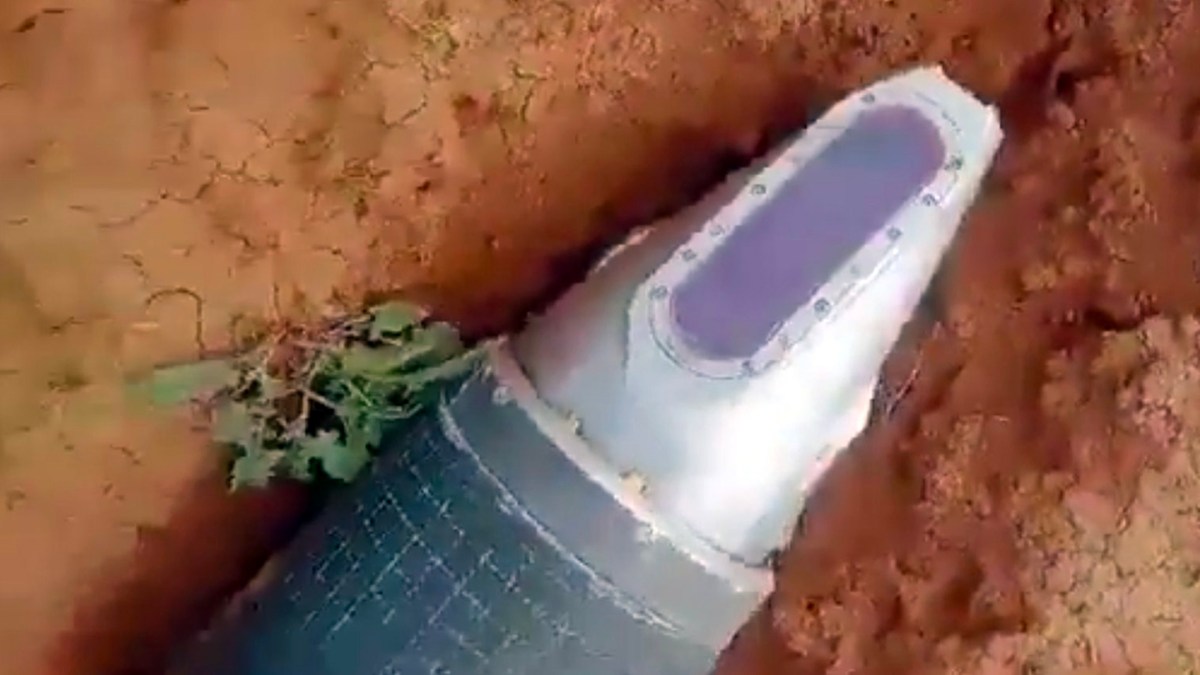
An advanced imaging infrared seeker believed to be from a U.S.-made Terminal High Altitude Area Defense interceptor appears to have been recovered largely intact in Syria, according to the supplied source text. If verified, the find could amount to a meaningful intelligence loss for the United States and its partners, because THAAD is a central layer in American missile defense architecture and has been heavily employed in regional conflict involving Iran.
The reported object was shown in a video that began circulating on social media, with the source text stating that the clip was said to have been filmed near Suwayda in southwestern Syria. The original report also noted that this location is relatively close to both Jordan and Israel. The reporting stops short of independent confirmation of the video’s provenance, and that caveat matters. But even the possibility that a major component of a THAAD interceptor has landed in recoverable condition is enough to draw attention from defense analysts.
What appears to be at issue is the front-end portion of the interceptor’s kill vehicle, including the imaging infrared seeker. That system is not just hardware debris. It is a key part of how the interceptor identifies and homes in on a ballistic missile target during the final phase of flight.
Why the seeker matters
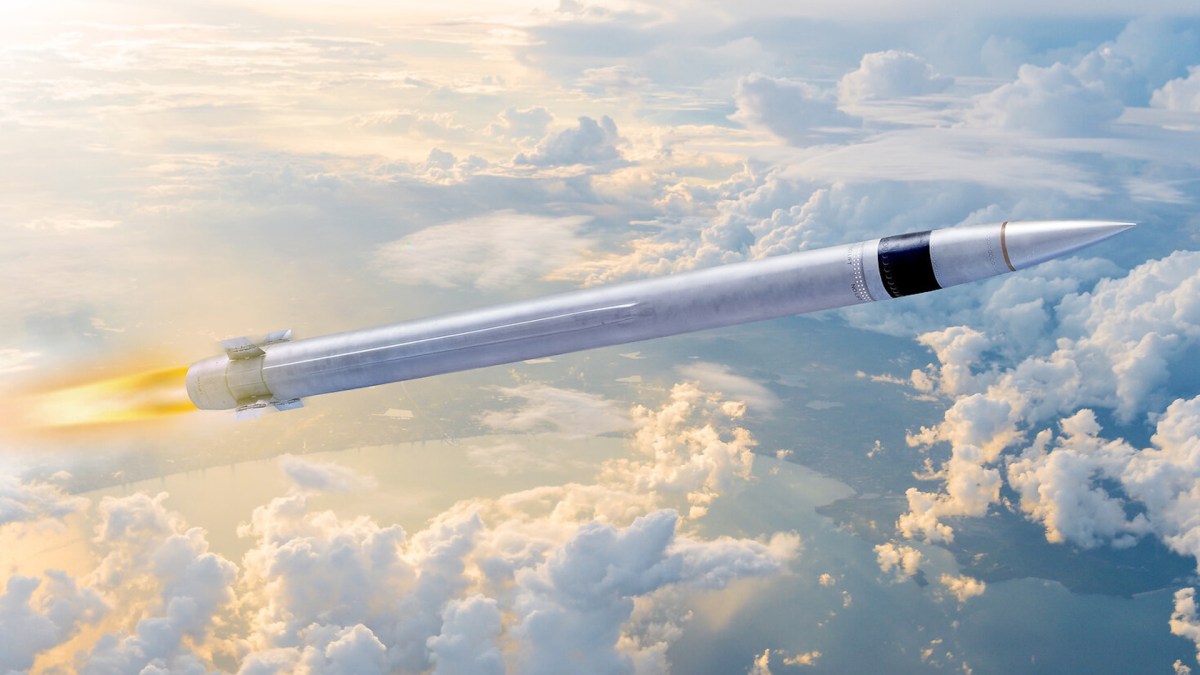
THAAD is designed to defeat short-, medium-, and intermediate-range ballistic missiles in the terminal phase of their trajectory. As described in the supplied source text, the system can engage threats as they begin descending into the atmosphere, depending on launch geometry and other conditions. Before an interceptor is fired, THAAD receives cueing through its own AN/TPY-2 radar or from offboard sensors connected through the Command, Control, Battle Management and Communication network.
Once launched, the kill vehicle at the front of the interceptor separates and uses onboard sensing to complete the intercept. That is where the infrared seeker becomes critically important. It helps discriminate, track, and close on the target. For an adversary, access to such hardware could provide insight into sensor design, materials, packaging, robustness, and possibly broader assumptions about engagement behavior.
Even partial information can be valuable. Modern military systems are rarely compromised only through complete reverse engineering. Sometimes the gain comes from confirming what a system is made to withstand, how its components are arranged, or what degree of sophistication is evident in the recovered hardware. For countries trying to improve missile survivability or counter-defense tactics, that kind of technical evidence can still be useful.
The regional context increases the stakes
The reported recovery matters more because of where THAAD is operating. The supplied source text says the system has been an important part of efforts to blunt Iranian missile barrages against Israel and that the U.S. military is currently reported to have THAAD batteries in Israel and Jordan. That makes the Middle East not just an operational theater for THAAD, but also a place where interceptor debris could fall into contested or weakly governed areas accessible to multiple state and non-state actors.
In other words, the risk is not merely that a component landed. The risk is that it may have landed in an environment where recovery by hostile intelligence services or their intermediaries is plausible. Syria, in particular, has long served as a zone where foreign militaries, proxy groups, and intelligence networks overlap. Sensitive wreckage does not have to remain in the hands of the first people who find it.
That is why the report carries implications beyond a single piece of equipment. Missile defense systems are often discussed in terms of interception rates and strategic deterrence, but their real-world use also generates physical remnants. When those remnants fall outside secure recovery areas, operational success can still produce intelligence vulnerability.
Verification remains the key open question
The most important limitation is that the supplied source text explicitly says the report could not be independently verified at the time. That uncertainty should shape how the development is interpreted. Social media footage from conflict zones can be misleading, misattributed, or incomplete. Technical objects may resemble one system while actually belonging to another. Without official confirmation, on-site evidence, or additional imagery, the case remains provisional.
Still, the concern is credible enough to take seriously because the object shown was identified in the source reporting as consistent with a THAAD seeker and associated interceptor components. For military analysts, that threshold alone is significant. Defense technology reporting often begins with publicly circulating imagery, then builds toward firmer conclusions as geolocation, technical comparison, and official statements follow.
If later verification supports the initial assessment, the event would underscore a recurring problem in high-end warfare: cutting-edge systems deployed in active combat can expose their secrets not only through cyber theft or espionage, but through battlefield recovery. The more frequently such systems are used, the more opportunities there are for fragments, sensors, and guidance elements to be collected.
A reminder that missile defense has an information-security dimension
THAAD is typically discussed as a shield. This episode, if confirmed, is a reminder that shields can reveal as much as they protect. Every interceptor launched is also a piece of advanced hardware entering an uncertain battlespace. Most of the time that cost is acceptable, especially when defending against ballistic missile attack. But it is still a cost.
The broader lesson is that missile defense should be understood not only in terms of coverage, probability of kill, and magazine depth, but also in terms of technology exposure. Sensitive components can end up in places where adversaries are able to study them. When that happens, the result may not be immediate compromise, but it can contribute to a longer cycle of adaptation and counter-adaptation.
For now, the reported THAAD seeker recovery remains a developing story rather than a settled fact. But if authenticated, it would represent more than unusual debris. It would be a case study in how modern air and missile defense systems can create intelligence risks precisely by being used at scale in active conflict.
This article is based on reporting by twz.com. Read the original article.
Originally published on twz.com