Space-based air tracking moves from concept toward deployment
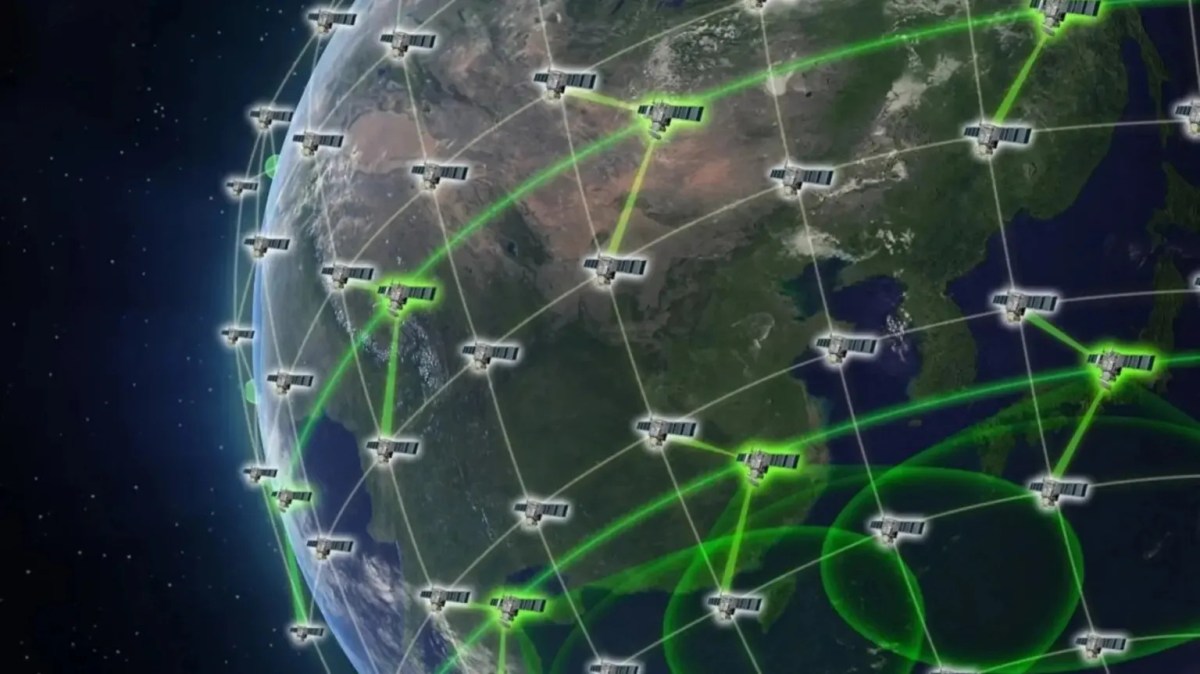
The U.S. Space Force has awarded SpaceX a $4.16 billion agreement tied to the Space-Based Airborne Moving Target Indicator program, a major step in the Pentagon’s effort to track aircraft from orbit. According to the service, the deal is meant to accelerate work on a satellite constellation that could deliver an early operational capability by 2028.
That timeline matters. U.S. officials have discussed space-based airborne tracking for years, but the latest announcement signals a sharper push to move the idea from long-range ambition into a nearer-term procurement and deployment plan. The Space Force says the constellation is intended to help eliminate operational blind spots by creating a persistent, global ability to sense and track airborne targets from space.
Why the Pentagon wants this capability
The traditional way of tracking airborne threats has relied heavily on crewed aircraft such as airborne early warning and control platforms. Those aircraft remain central to military operations, but they also face growing risks as rival militaries field more capable anti-access and area-denial systems. In that environment, a more distributed sensing architecture is increasingly attractive.
The Space Force framed the orbital network as a complement to existing airborne sensing rather than an immediate replacement. Even so, the strategic direction is clear: officials see a resilient layered architecture in which space assets take on more of the moving-target tracking burden that has historically belonged to aircraft.
If the concept matures as intended, it could reshape how the U.S. military surveils airspace over long distances. A satellite network with persistent global reach would offer coverage patterns that are difficult for conventional aircraft to match, especially in heavily contested regions.
The E-7 debate still shapes the backdrop
The announcement also lands in the middle of a broader argument over the future of airborne surveillance fleets. Plans for the orbital tracking architecture were directly tied in the past year to an attempt to end purchases of E-7 Wedgetail airborne early warning aircraft. That effort was ultimately abandoned after congressional intervention, and the Air Force is again moving forward with the E-7 to replace aging E-3 Sentry aircraft.
Even with the E-7 back on track, the long-term objective has not disappeared. The Pentagon still appears interested in shifting most, and potentially eventually nearly all, airborne moving-target indicator functions into space. The new award suggests that while legacy and next-generation aircraft will remain important for years, defense planners are building toward a different end state.
An unusual acquisition vehicle with a large price tag
The Space Force described the award as a competitive Other Transaction Authority agreement rather than a conventional contract. OTAs are often used when the government wants more flexibility or speed than the standard procurement system allows. In this case, the format fits a program that is both technically ambitious and operationally urgent.
At $4.16 billion, the award is also notable for its scale. It reflects not only confidence in SpaceX’s ability to move quickly in orbit, but also the seriousness with which the Defense Department now views space-based sensing and targeting. The agreement came through the office responsible for space-based sensing and targeting acquisitions, reinforcing that this is not a side effort but part of a larger architecture push.
What comes next
The key question is how much capability the planned 2028 early deployment will actually provide. An initial constellation may not deliver the full persistence or fidelity that military planners ultimately want, but even a partial network could provide meaningful operational value and shape later procurement decisions.
Just as important, the award may become a test case for whether the Pentagon can compress timelines for space-based sensor systems that have long been discussed more than fielded. If the program stays on schedule, it could influence decisions across airborne surveillance, missile warning, and broader joint-force targeting.
- The Space Force says the first constellation is projected to provide an early capability by 2028.
- The program is intended to complement traditional airborne sensing while building a more resilient tracking architecture.
- The deal underscores a long-term Pentagon goal of pushing more airborne tracking functions into space.
This article is based on reporting by twz.com. Read the original article.
Originally published on twz.com