A New Era in Battlefield Ballistics
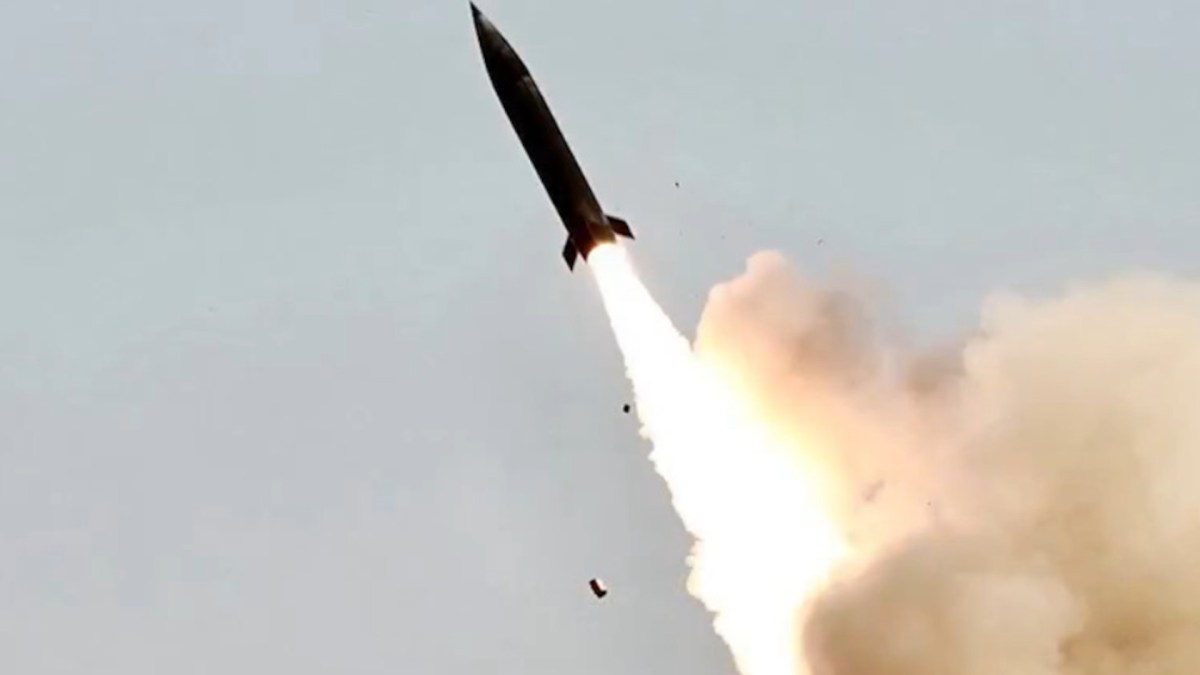
The United States military has fired its newest ballistic missile in anger for the first time. During the opening hours of Operation Epic Fury, Precision Strike Missile systems — known as PrSM — launched from M142 HIMARS platforms against Iranian targets, marking a watershed moment for the weapon that entered service roughly two years ago.
U.S. Central Command released video footage confirming the launches, with the missile's distinctive tail fin configuration clearly visible as it left the familiar HIMARS launcher. The combat debut validated years of development and testing, giving military planners a weapon that fundamentally changes the calculus of ground-based strike operations.
Twice the Reach of ATACMS
The PrSM represents a generational leap over the Army Tactical Missile System it was designed to replace. While ATACMS maxes out at approximately 186 miles, the baseline PrSM Increment 1 variant can reach targets at least 310 miles away. Development goals push that figure to roughly 400 miles, and an extended-range version currently in development aims for more than 620 miles.
That range expansion is more than incremental — it transforms what ground-based forces can threaten. Areas previously accessible only to air power or naval cruise missiles now fall within reach of a mobile launcher that can relocate after firing. During Operation Epic Fury, this capability proved immediately valuable against time-sensitive targets like air defense batteries and mobile missile launchers.
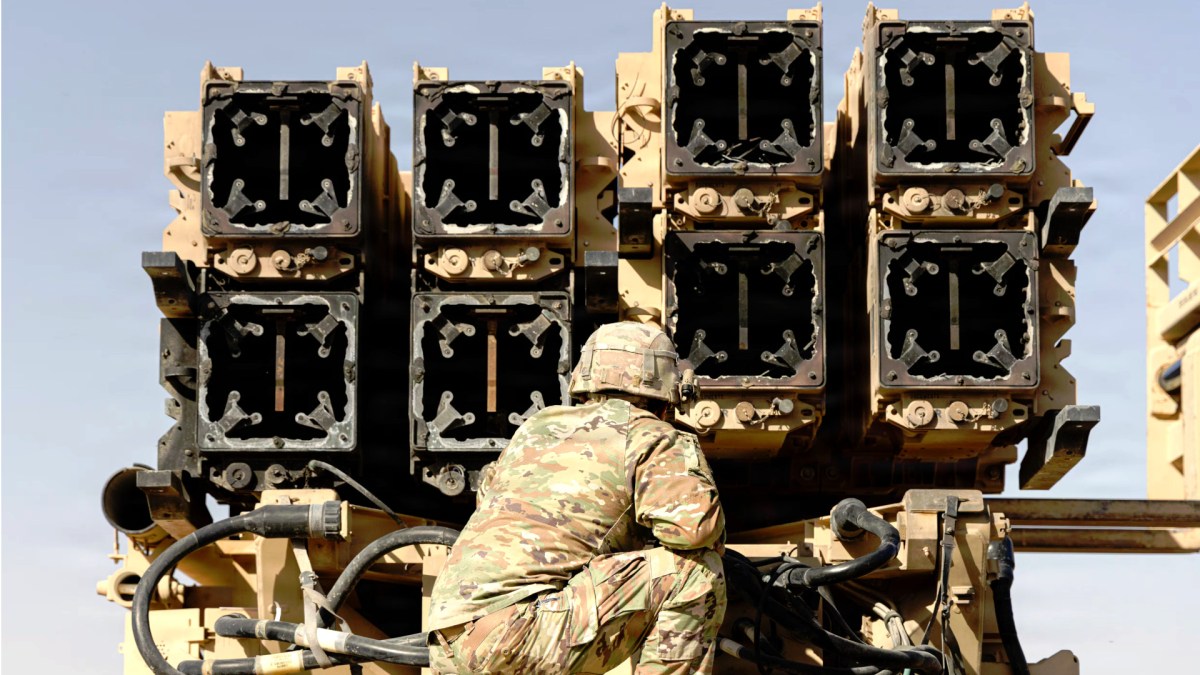
The ammunition configuration also represents an improvement. Where ATACMS required a single-missile pod on each HIMARS launcher, PrSM loads into two-cell pods, effectively doubling the available firepower per platform. For a military engaged in sustained strike operations, that efficiency matters enormously.
Speed as a Weapon
Ballistic missiles follow a distinctive flight profile — arcing high into the atmosphere before plunging toward their target at extreme speed during terminal descent. This characteristic makes them particularly difficult for air defense systems to intercept and especially effective against targets that might relocate if given warning.
During the initial phases of Operation Epic Fury, suppressing Iranian air defenses and neutralizing missile launchers before they could fire was paramount. PrSM's combination of range and speed made it well-suited for these opening salvos, where the difference between striking a launcher before or after it fires can determine mission success.
Signaling Beyond Iran
Military analysts note that combat-proving PrSM sends a message far beyond the current theater of operations. The weapon has long been viewed as critical for potential Pacific contingencies, where the vast distances involved demand long-range precision strike from limited land-based positions.
Demonstrating that PrSM works as advertised under combat conditions provides a credibility that no amount of testing can replicate. Adversaries watching the footage from Operation Epic Fury now have concrete evidence of the system's capabilities rather than paper specifications.
Future Variants on the Horizon
The version employed in Iran represents only the beginning of the PrSM family. The U.S. Army is actively developing anti-ship variants that would allow ground-based forces to threaten naval vessels at extended ranges — a capability with obvious implications for maritime conflicts. Additional variants designed to disperse autonomous drones over target areas are also in development, combining precision strike with the distributed threat of unmanned systems.
These future capabilities build on the modular design philosophy underlying PrSM, which was engineered from the outset to accept new seekers, warheads, and guidance packages as technology matures. The combat debut in Operation Epic Fury establishes the baseline platform's credentials, clearing the path for these more advanced configurations.
What Comes Next
The successful combat employment of PrSM will likely accelerate procurement and international sales interest. Allied nations operating HIMARS — and there are many, given the system's prominent role in Ukraine — will view combat-proven PrSM as a natural capability upgrade. The missile's debut also validates the broader Army strategy of investing in long-range precision fires as a cornerstone of modern ground combat, a bet that has now paid its first battlefield dividend.
This article is based on reporting by twz.com. Read the original article.
Originally published on twz.com