The Arctic's Strategic Awakening
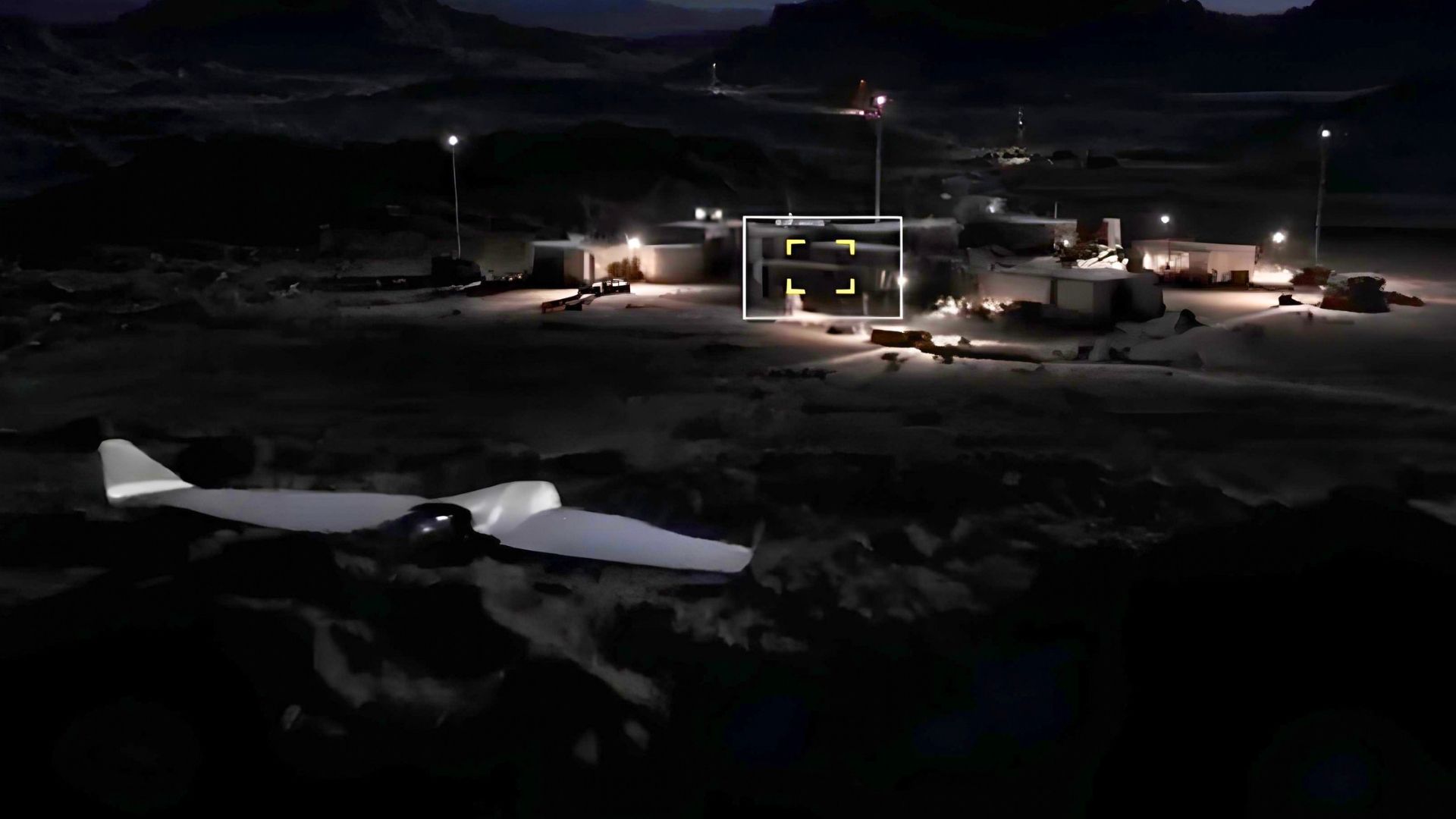
The Arctic is no longer the frozen afterthought of global security planning. Climate change is opening new shipping routes, exposing vast mineral resources, and creating a theater of competition that major powers are rushing to control. Russia has been militarizing its northern coast for years, China has declared itself a near-Arctic state with ambitions to match, and NATO is waking up to the reality that it is dangerously underprepared for conflict in the High North — particularly when it comes to drone warfare.
A new analysis by defense experts argues that the alliance's current posture in the Arctic is fundamentally mismatched with the threat environment. While NATO has invested heavily in traditional capabilities like submarines, icebreakers, and cold-weather infantry training, it has not adequately addressed the revolution in unmanned systems that has transformed modern warfare. The drones that have reshaped conflict in Ukraine, the Middle East, and the Horn of Africa will inevitably come to the Arctic — and NATO is not ready.
The assessment is blunt: NATO lacks the counter-drone doctrine, the sensor networks, the communication infrastructure, and the hardened logistics needed to detect, track, and defeat unmanned systems operating across the vast, sparsely populated expanses of the Arctic region.
Why the Arctic Is Different
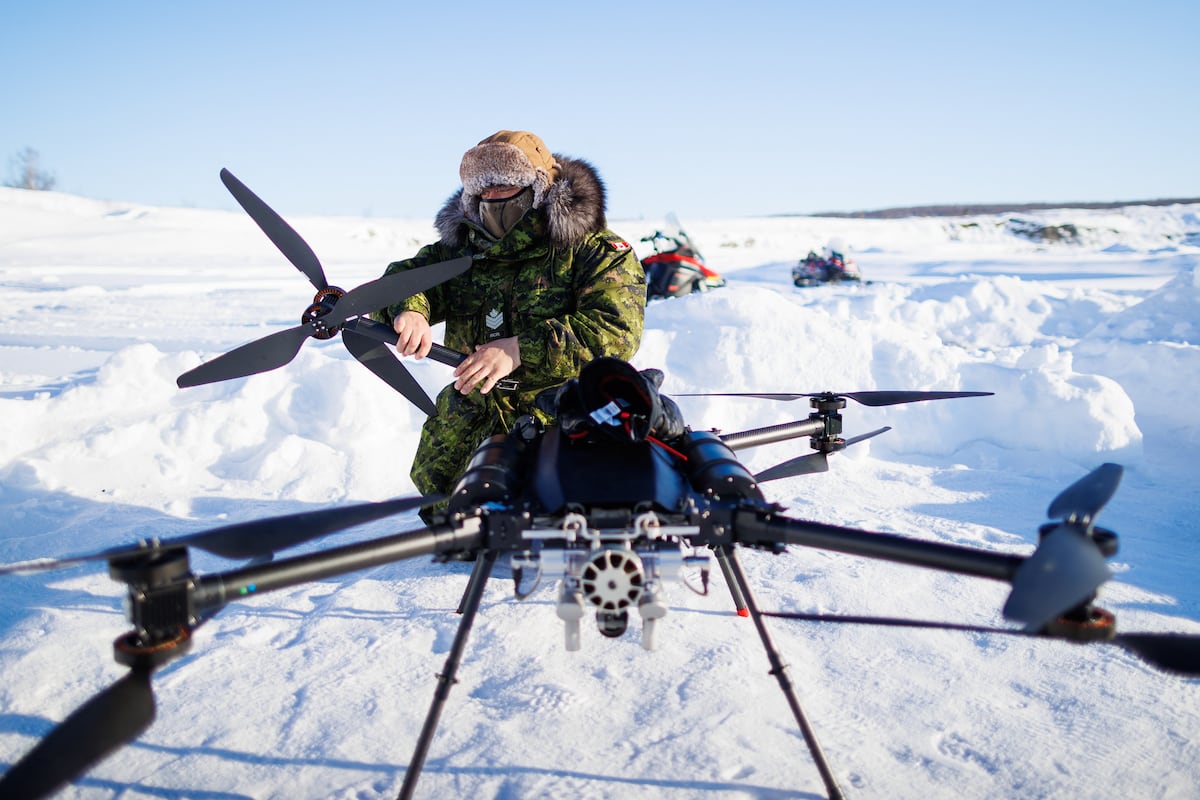
Drone warfare in the Arctic presents a set of challenges fundamentally different from those encountered in temperate or desert environments. The extreme cold — temperatures routinely reaching minus 40 degrees Celsius and below — degrades battery performance, reduces the range and endurance of electric-powered drones, and makes maintenance and repair operations extraordinarily difficult for ground crews.
The electromagnetic environment adds another layer of complexity. The Arctic is subject to intense geomagnetic activity, including the aurora borealis, which can disrupt GPS signals, radio communications, and the electronic systems that drones and counter-drone systems rely upon. Solar storms can cause complete blackouts of satellite navigation systems, potentially leaving both drones and their operators blind.
Geography compounds the problem. The Arctic's vast distances, minimal infrastructure, and extreme isolation mean that military operations cannot rely on the dense networks of bases, roads, and supply lines that support operations in Europe or the Middle East. Any drone capability deployed to the Arctic must be self-sustaining, resilient to extreme conditions, and capable of operating with degraded communications for extended periods.
Russia's Northern Drone Buildup
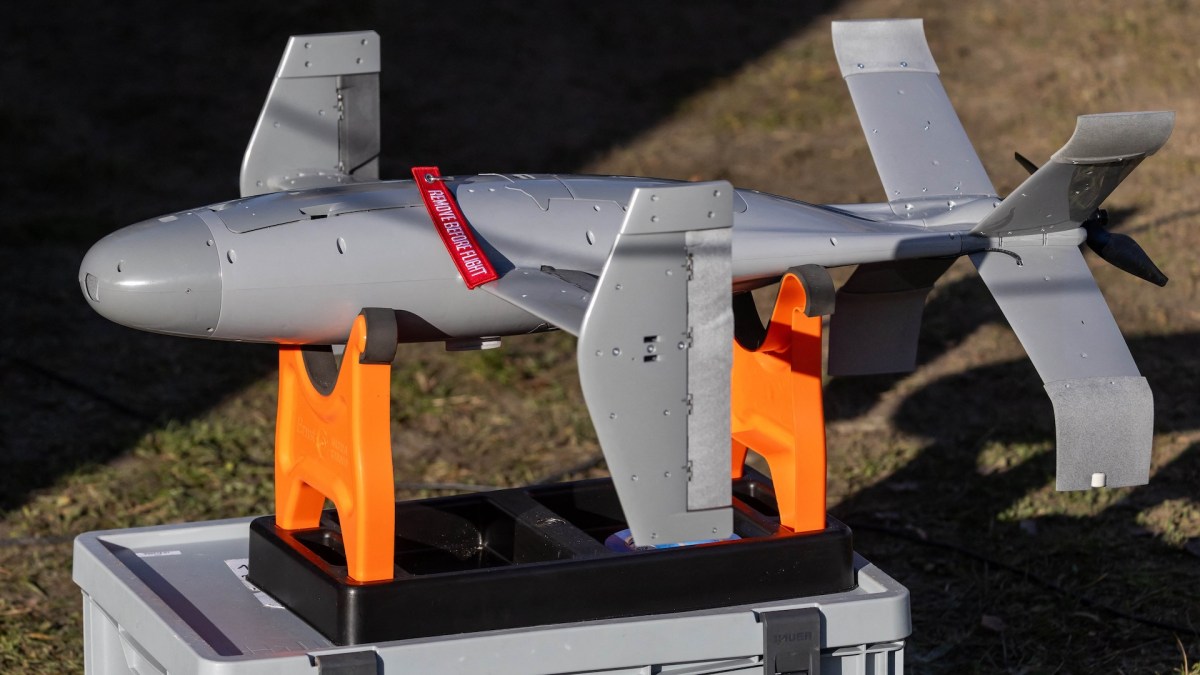
Russia has not been idle. The country has been systematically expanding its military drone capabilities in the Arctic, integrating unmanned systems into its Northern Fleet operations and establishing new drone units at bases along its northern coastline. Russian military exercises in the region have increasingly featured drone swarms for reconnaissance, electronic warfare, and simulated strike missions.
Moscow's drone investments in the Arctic are part of a broader strategy to establish what military planners call an anti-access/area denial (A2/AD) zone across the High North. By combining long-range missile systems, advanced air defenses, submarine forces, and now drone swarms, Russia aims to control the approaches to its northern coast and the critical Barents Sea, where much of its submarine-based nuclear deterrent operates.
The lessons of Ukraine have accelerated Russia's drone development across the board. Russian forces have gained extensive operational experience with both military-grade and improvised commercial drones, and the feedback loop from combat to procurement has shortened dramatically. The capabilities being refined on the Ukrainian front will inevitably be deployed to the Arctic.
China's Arctic Ambitions
China's growing interest in the Arctic adds another dimension to the challenge. Beijing has invested in Arctic research stations, icebreaking vessels, and satellite infrastructure that provide both scientific and military utility. The Polar Silk Road — China's concept for Arctic shipping routes linking Asia to Europe — has clear strategic implications that extend beyond commerce.
China's drone technology is among the most advanced in the world, with companies like DJI dominating the commercial market and military programs producing sophisticated autonomous systems. While China has not yet deployed military drones to the Arctic in significant numbers, its growing presence in the region and its technological capabilities make it a future threat that NATO planners must consider.
What NATO Needs to Do
Closing the Arctic drone gap will require action on multiple fronts. First, the alliance needs dedicated Arctic counter-drone doctrine that accounts for the region's unique environmental and operational challenges. The tactics and techniques developed for defending bases in Afghanistan or monitoring borders in the Baltics will not translate directly to the High North.
Second, NATO must invest in cold-weather-hardened sensor networks. The alliance's existing surveillance infrastructure in the Arctic is sparse, with enormous gaps in radar and electronic intelligence coverage. Detecting small drones in an environment where radar performance is degraded by atmospheric conditions and terrain masking requires purpose-built solutions — including forward-deployed ground-based sensors, over-the-horizon radar, and space-based surveillance assets.
Third, communication infrastructure must be reinforced. Reliable satellite communications in the Arctic are hampered by the region's high latitude, which puts many geostationary satellites below the horizon. NATO needs increased investment in polar-orbiting satellite constellations and resilient mesh networking systems that can maintain connectivity when individual links fail.
Fourth, the alliance must develop autonomous counter-drone systems capable of operating without continuous human control. In the Arctic, communication delays and blackouts are not exceptions but routine conditions. Counter-drone systems must be able to identify, classify, and engage threats using onboard processing and pre-authorized rules of engagement.
A Narrow Window
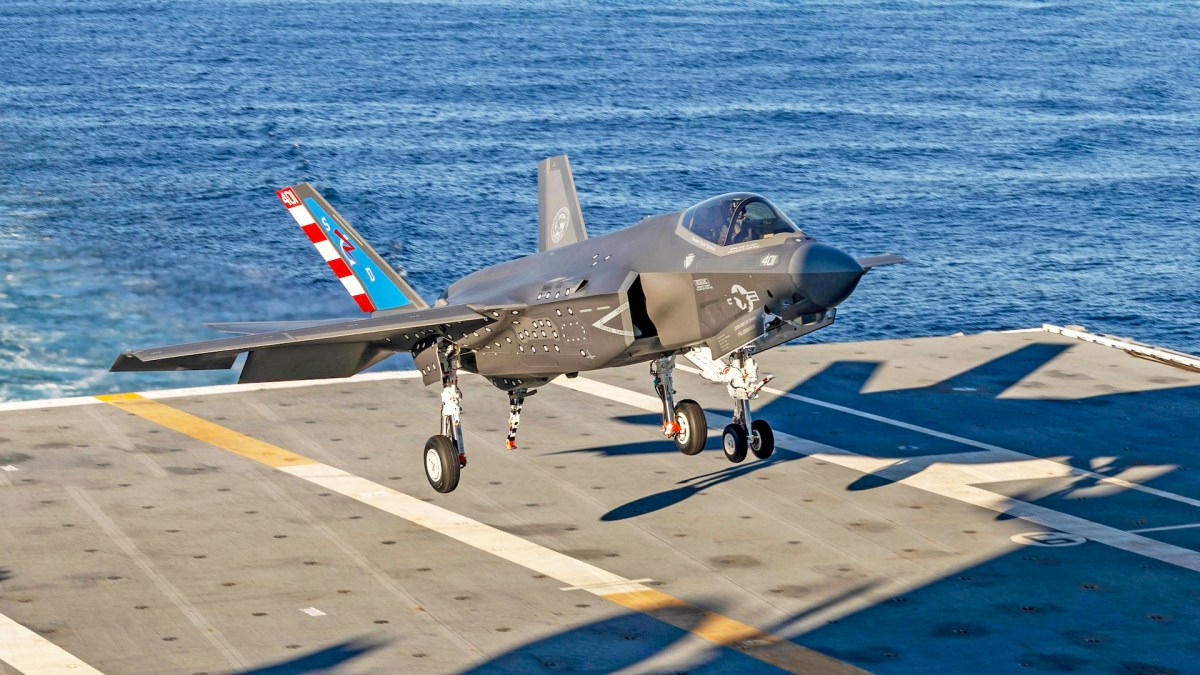
The experts argue that NATO has a narrow window to address these shortcomings before the Arctic becomes a contested domain where the alliance is at a significant disadvantage. The investments required are substantial but not prohibitive compared to the cost of major weapons systems like aircraft carriers or fifth-generation fighters.
What is needed most, they argue, is strategic attention. The Arctic has historically been a low priority for NATO planners accustomed to focusing on the Central European front, the Mediterranean, or the Indo-Pacific. That mindset must change as climate change and great-power competition converge to make the High North one of the most consequential theaters of the coming decades.
The drones are coming to the Arctic. The question is whether NATO will be ready for them.
This article is based on reporting by C4ISRNET. Read the original article.
Originally published on c4isrnet.com