阿尔忒弥斯2号的“地出”时刻预示人类深空探索新纪元
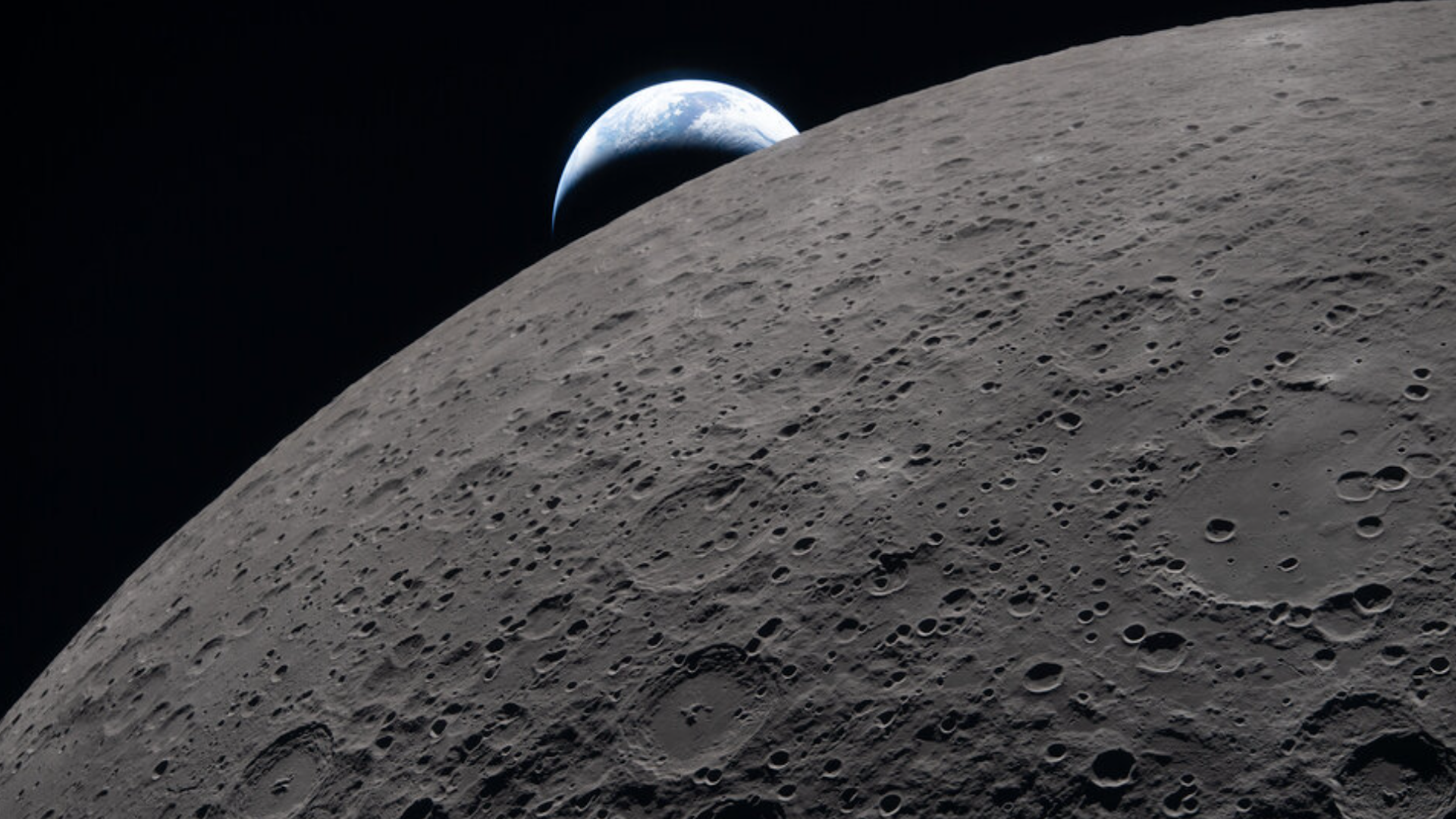
一位阿波罗历史学家将阿尔忒弥斯2号描述为人类月球探索从回望走向重启的时刻,这一变化由机组绕月之旅拍摄的新图像所承载。
- 阿尔忒弥斯2号被描述为人类深空探索新时代的象征性起点。
- 新的月球图像正在重燃曾与阿波罗“地出”时刻相关的情感力量。
所有标记为「Moon mission」的文章

一位阿波罗历史学家将阿尔忒弥斯2号描述为人类月球探索从回望走向重启的时刻,这一变化由机组绕月之旅拍摄的新图像所承载。

在 Artemis 2 安全返回地球后,NASA 局长 Jared Isaacman 将这次任务描述为一场更长战役的开端,目标是实现载人登月、在月球持续驻留,并最终前往火星。

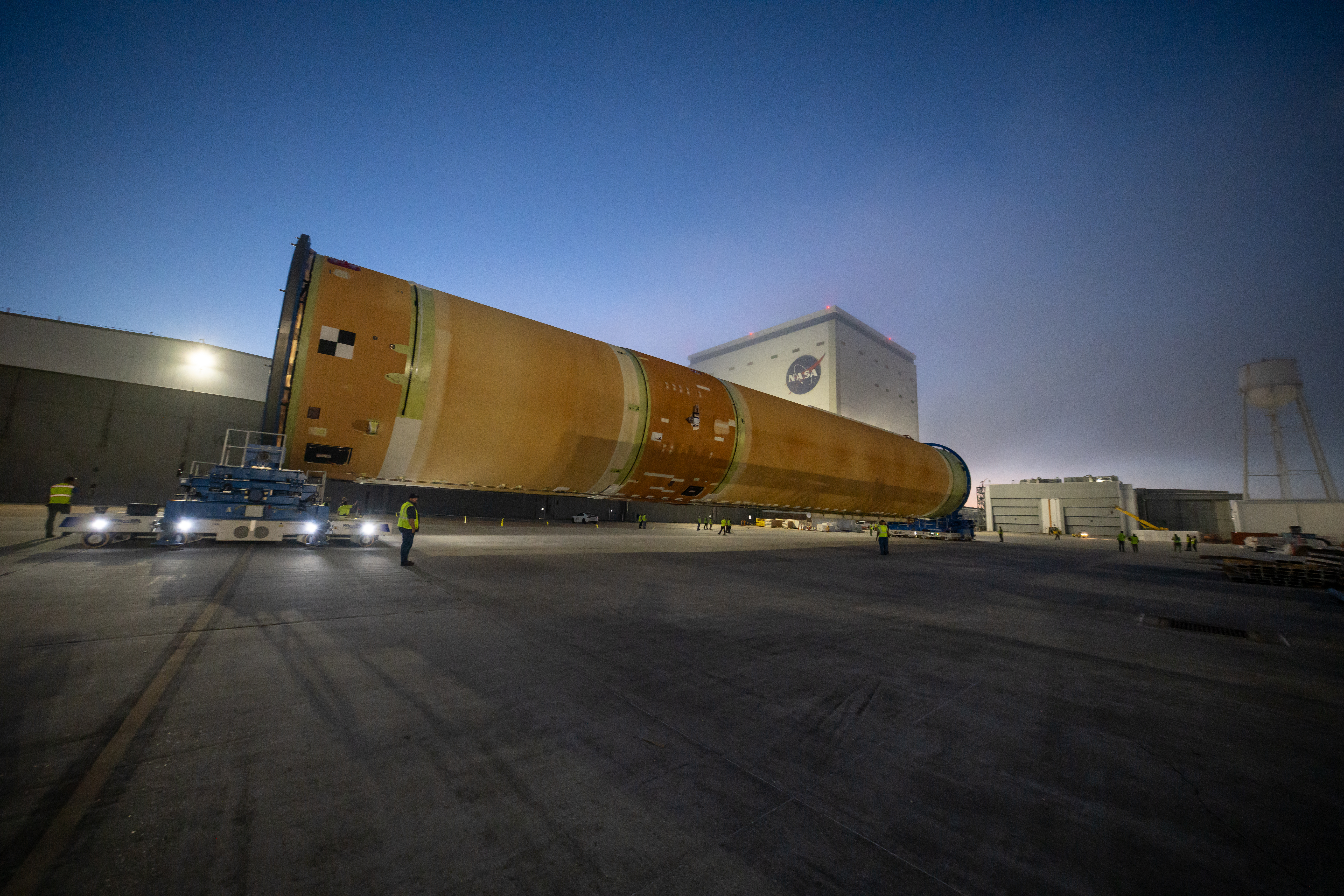
NASA将于4月20日把阿耳忒弥斯III号SLS核心级的上部五分之四从米丘德运出,装船前往肯尼迪航天中心,这标志着登月任务硬件流程中的一个可见里程碑。

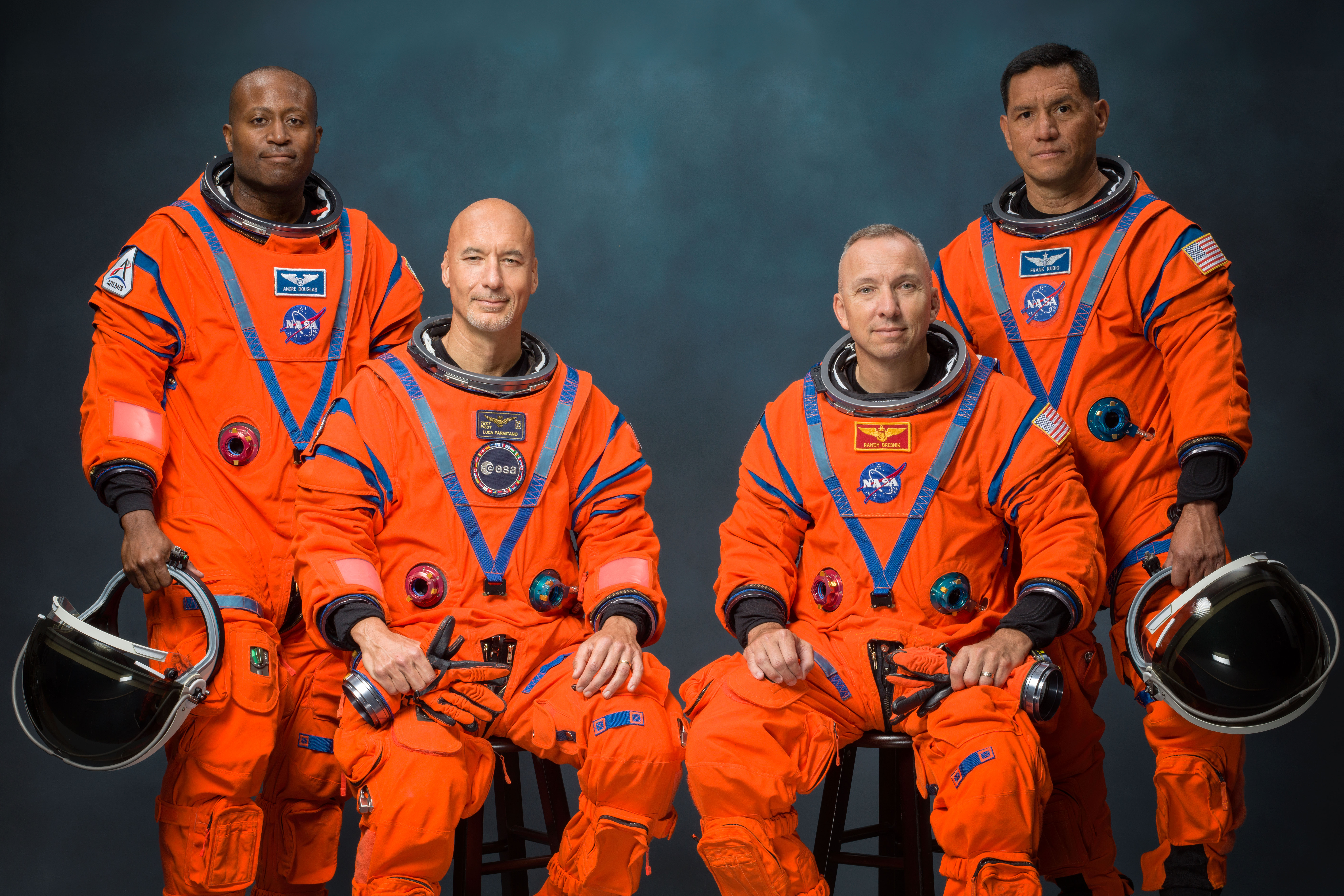
NASA 的阿尔忒弥斯 II 宇航员在绕月近 10 天任务后返回地球,创造了人类离地球最远距离的新纪录。
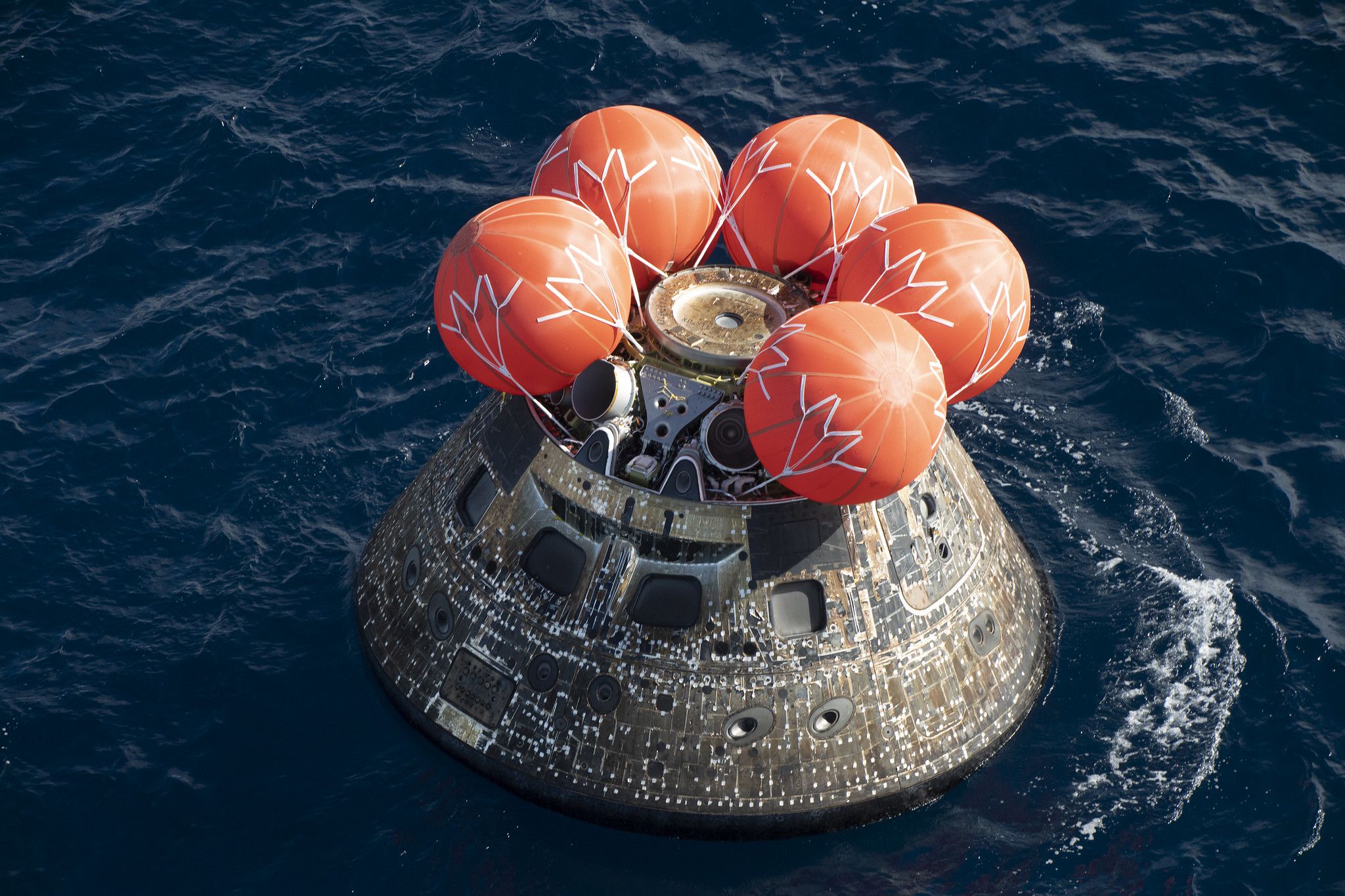
NASA 的阿耳忒弥斯II任务在完成为期10天、约68.5万英里的月球环绕之旅后,于太平洋安全溅落,标志着人类自阿波罗时代以来首次载人登月航行圆满结束。
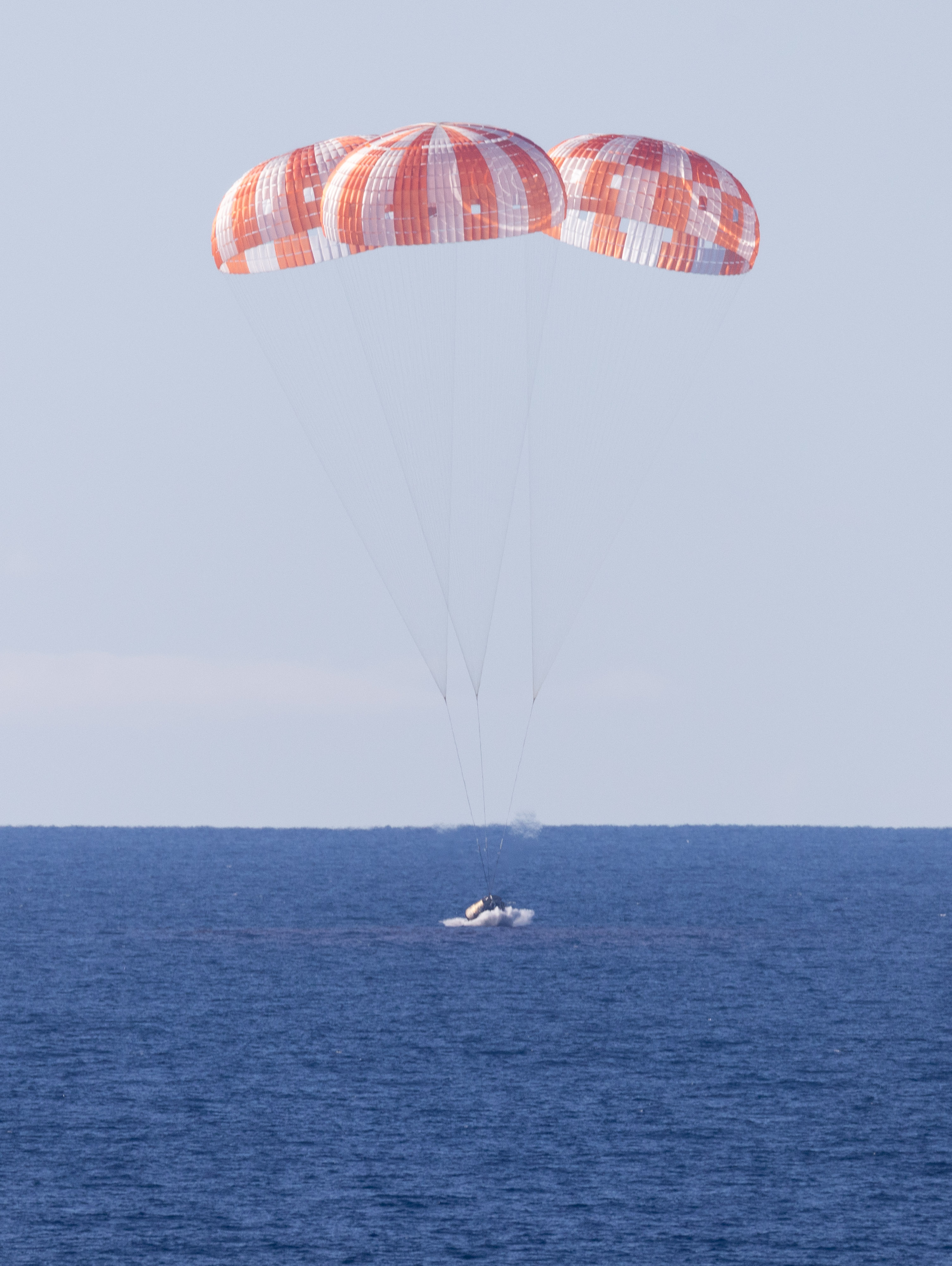
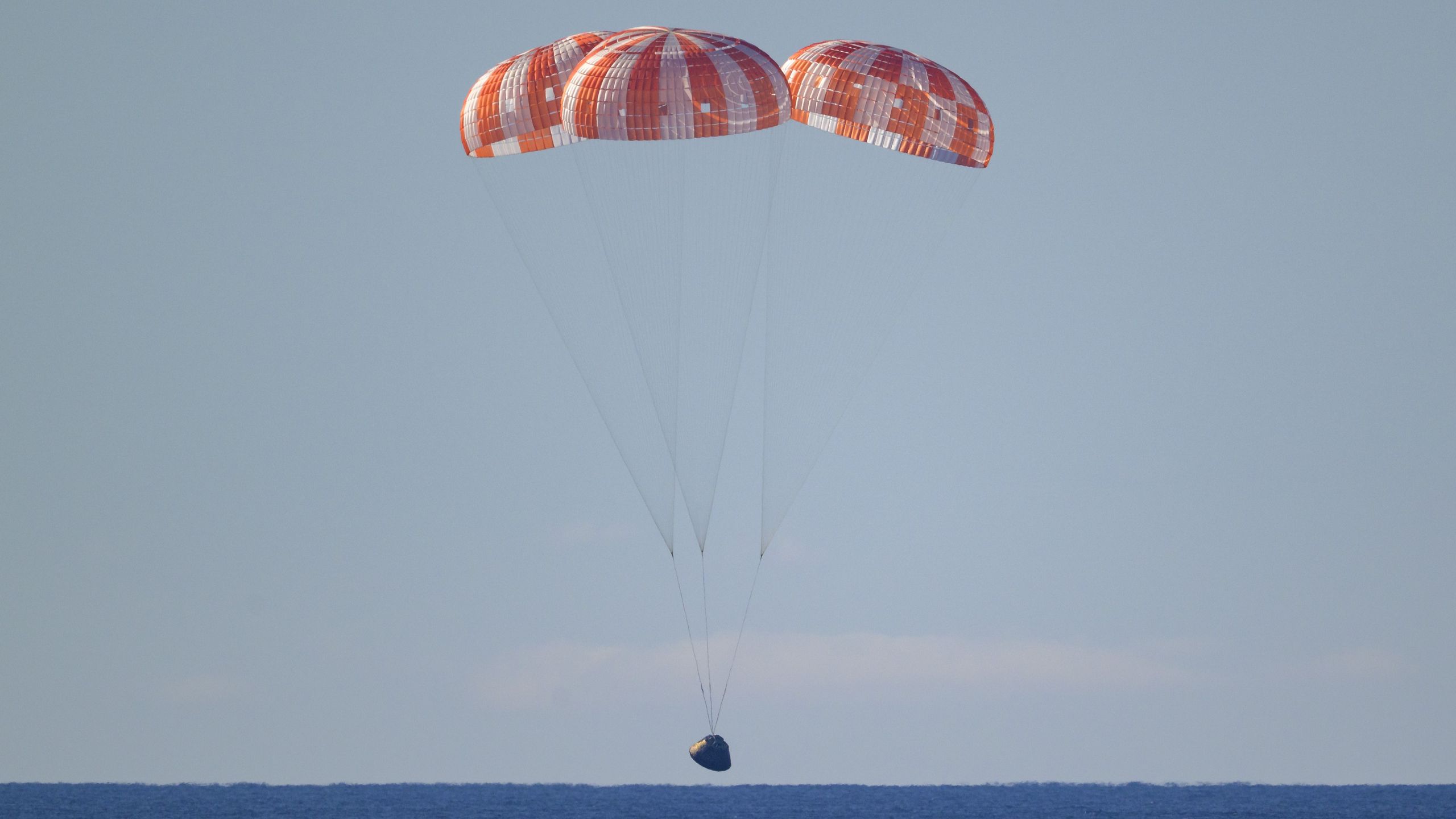
NASA 的阿尔忒弥斯 II 任务以成功溅落告终,标志着自阿波罗时代以来宇航员首次从月球返回,也标志着“猎户座”首次载人深空着陆。
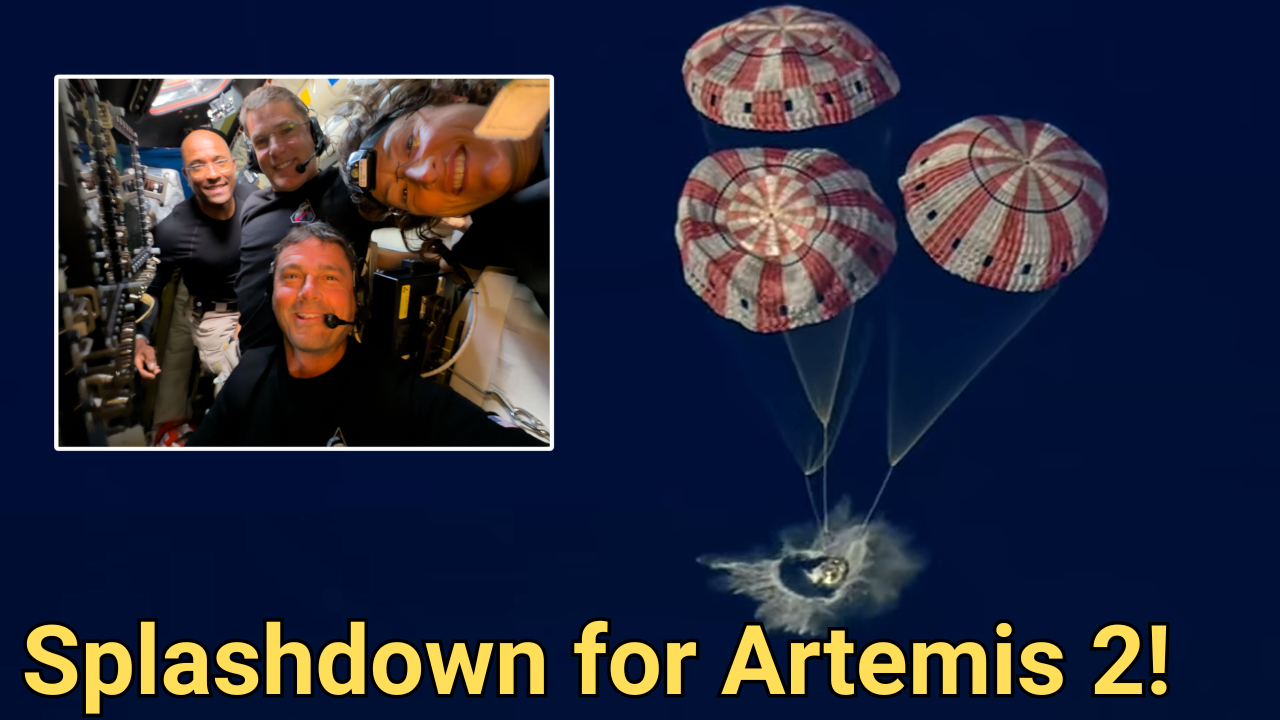
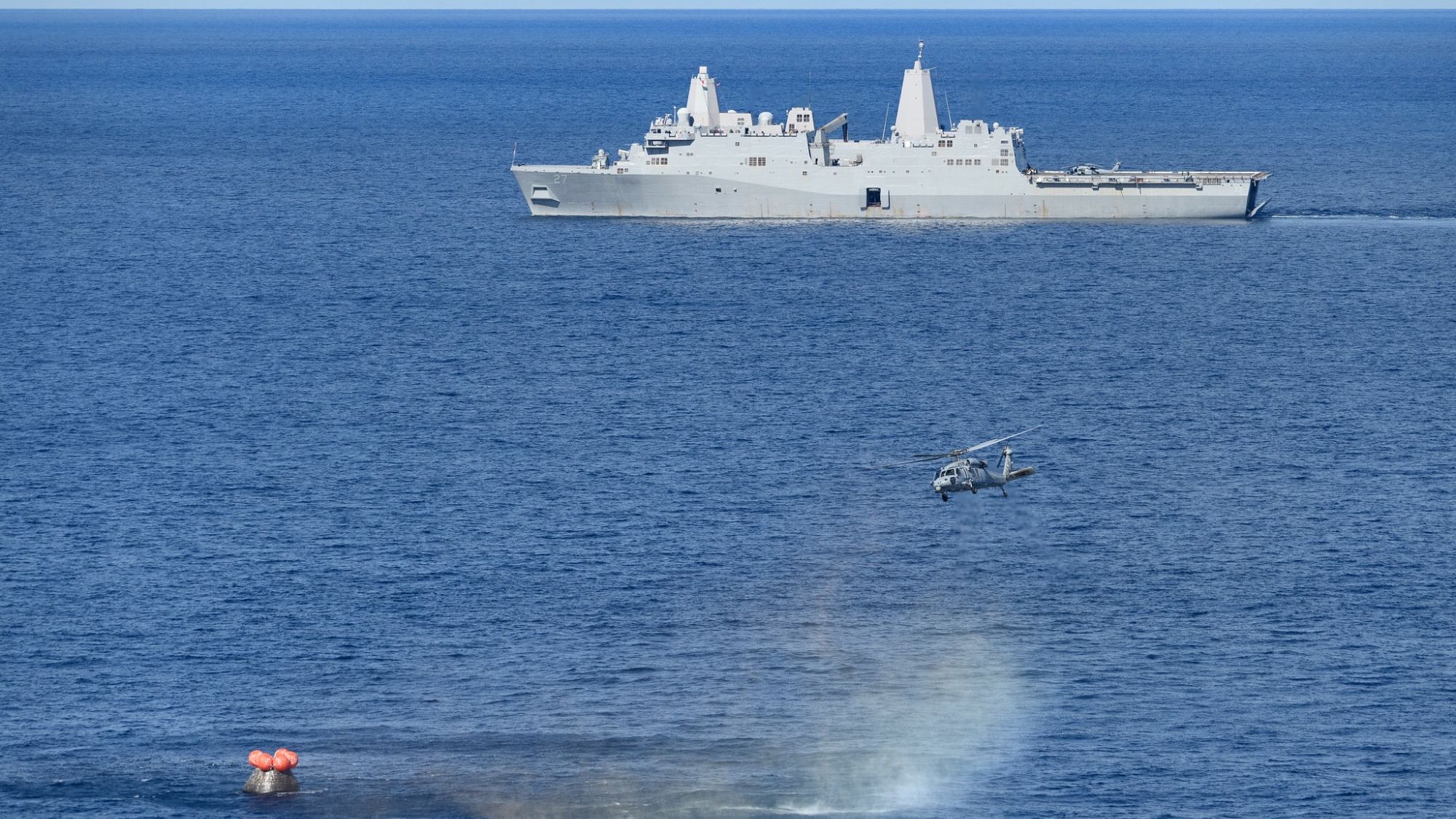
NASA’s Orion spacecraft splashed down off the California coast on April 10, bringing the four-person Artemis 2 crew home after a 10-day test flight around the moon.
NASA’s Artemis 2 crew has returned to Earth after a 10-day mission around the moon, closing the first crewed Artemis flight and setting a new human-distance record in the process.
NASA的阿尔忒弥斯2号任务预计将在圣迭戈海岸附近的太平洋中由“猎户座”飞船溅落结束,带回自阿波罗17号以来首个载人登月任务。
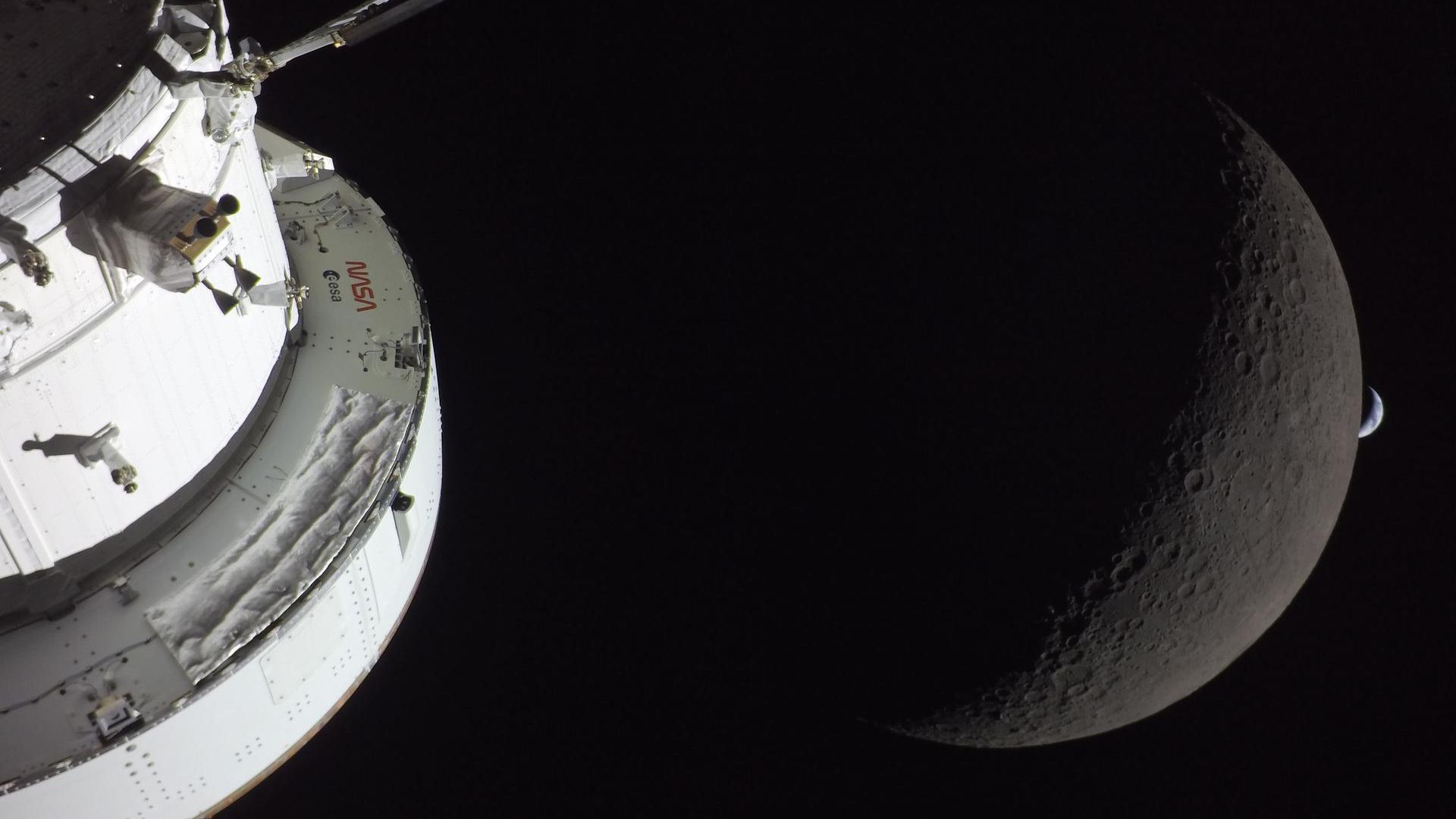
As the Artemis II astronauts head back toward Earth, they say the meaning of their lunar flyby has yet to fully register even after thousands of photographs and extensive observations in deep space.
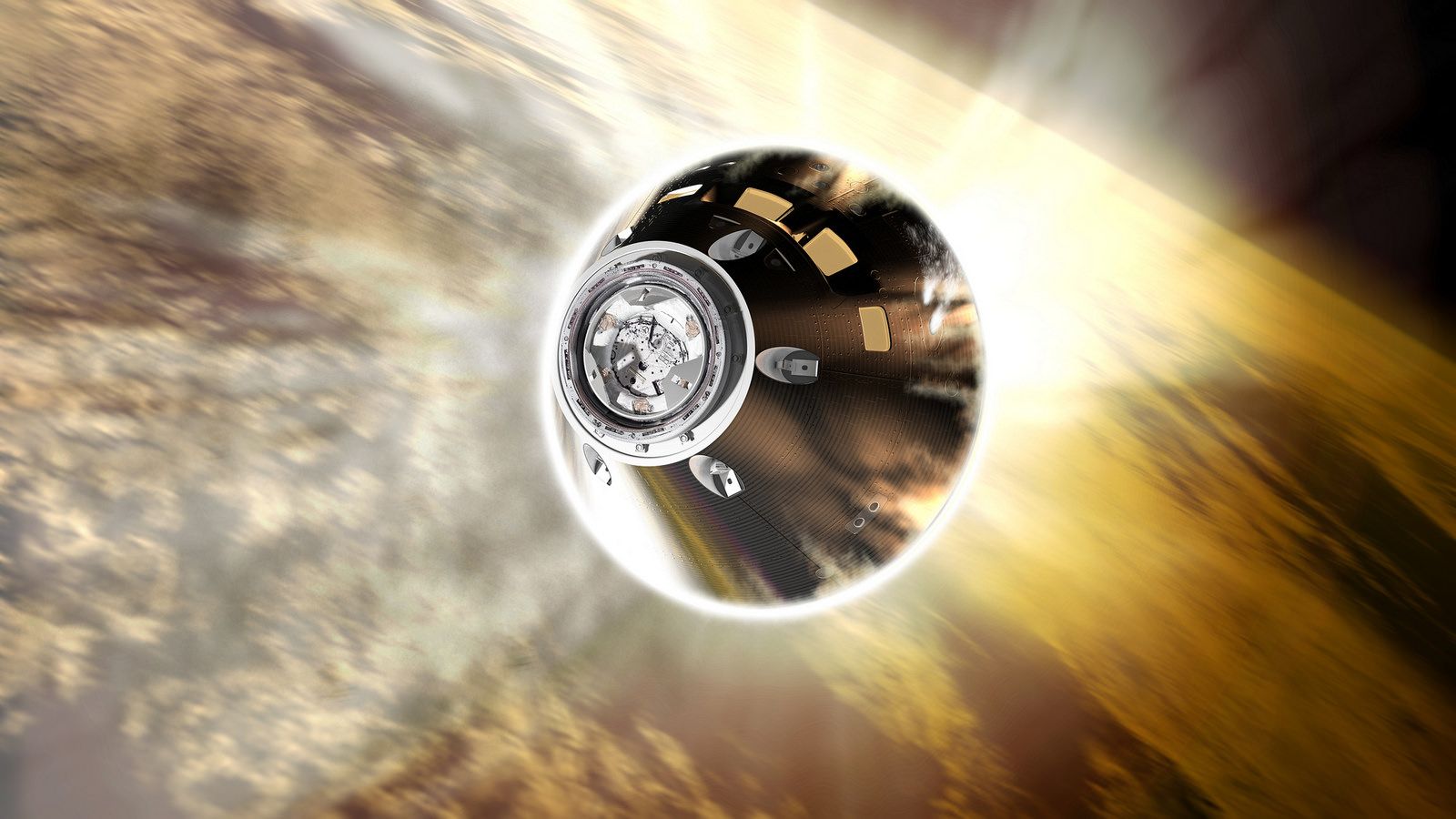
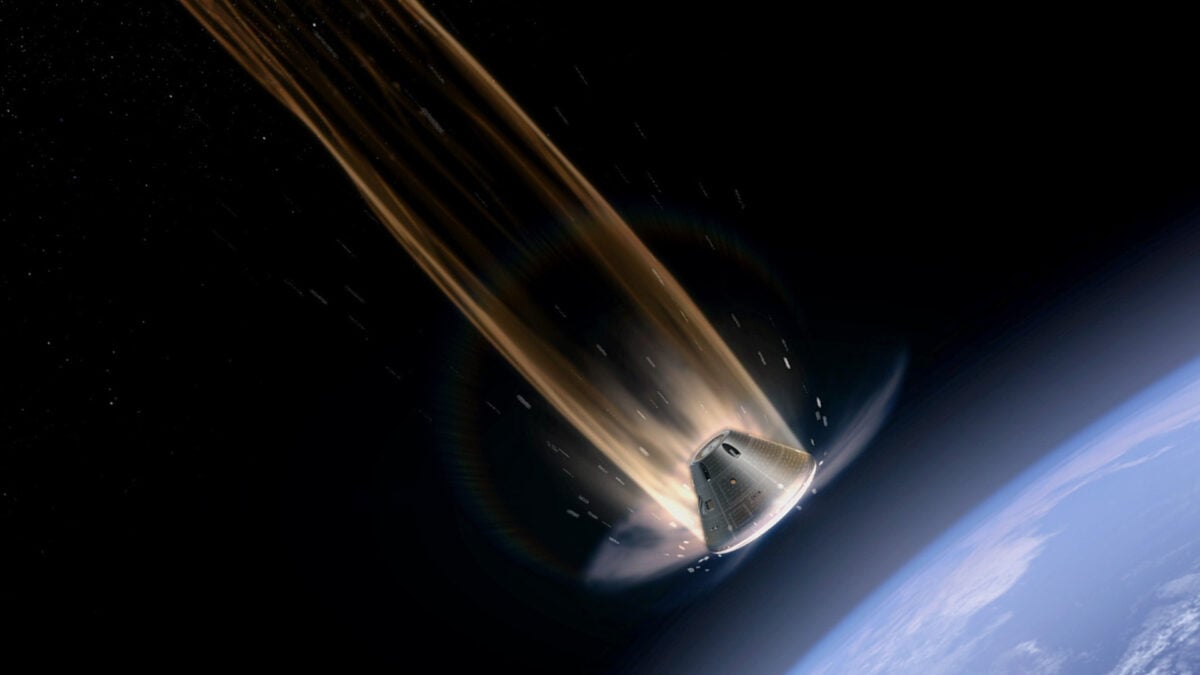
NASA的Artemis 2任务正接近最危险的阶段,Orion正从一次月球飞掠返回,计划在加利福尼亚外海的太平洋海域溅落。
NASA says Orion remains in good condition on its return from the moon, while scientists begin reviewing imagery and observations collected during the crewed lunar flyby.
NASA’s Artemis 2 mission is being remembered as the first crewed flight toward the moon in more than 50 years, but its importance lies just as much in the systems it is testing for the missions that follow.
NASA的阿耳忒弥斯2号宇航员完成了围绕月球的历史性飞掠,成为有记录以来飞得最远的人类,这是自阿波罗以来首次载人登月任务10天飞行中的关键一步。
NASA 的阿耳忒弥斯2号任务把一个不起眼的子系统变成了公众话题,凸显出人类航天飞行多么依赖远离地球时也必须完美运作的日常硬件。
NASA’s Artemis II mission is underway, sending four astronauts around the Moon and back on an approximately 10-day test flight designed to validate Orion’s performance in deep space.
NASA 的 Artemis 2 宇航员在任务过半、飞向月球途中报告 Orion 生活舱附近出现焦味,但任务控制中心表示并未过度担忧,仍在持续评估异味来源。