A mission built on memory and momentum
Artemis 2 is being framed as more than a successful flight around the moon. It is also emerging as a cultural hinge point in human spaceflight, the moment when lunar exploration stopped being primarily an inheritance from Apollo and started to feel active again. That is the central message in a firsthand account from Apollo historian Andrew Chaikin, who describes the mission as the beginning of a new era of human deep-space exploration.
The significance lies in both timing and symbolism. For decades, the moon has been a destination associated with the achievements of the late 1960s and early 1970s. Artemis 2 changes that narrative by returning astronauts to a voyage around the moon in April 2026 and producing a fresh set of images that link past and future in a single visual language.
The power of a familiar view
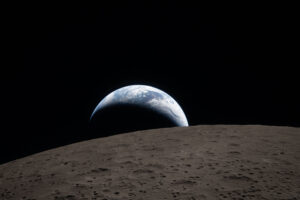
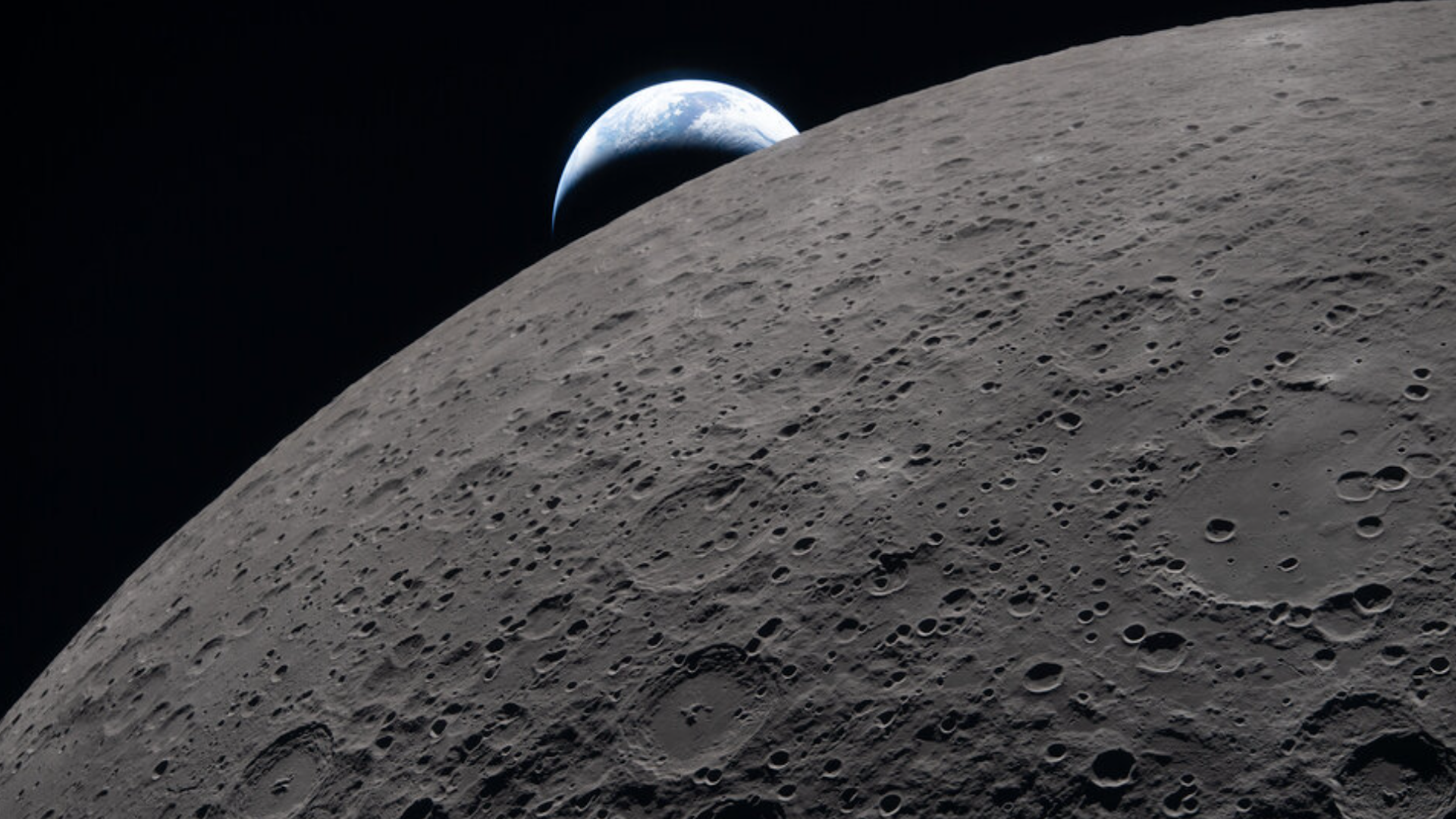
One of the most striking details in the report is the description of photographs taken by the Artemis 2 astronauts during their mission around the moon. The images, including a view of Earth from near the lunar environment, echo one of the most iconic perspectives in the history of spaceflight: Earthrise. In the Apollo era, that image reshaped how humanity saw its home planet. In the Artemis era, a new lunar vantage point carries a different message. It suggests continuity, but also restart.
Chaikin’s account reinforces that emotional transition. As a child inspired by the early space age and later mesmerized by Apollo 8’s television broadcasts from lunar orbit, he approached Artemis 2 with both excitement and uncertainty. The uncertainty did not last. The mission, in his telling, restored the sense that human voyages beyond low Earth orbit are no longer just historical memory.
Why Artemis 2 matters beyond spectacle
The supplied source text does not present Artemis 2 as a technical breakdown of hardware and mission architecture. Instead, it shows why the mission matters in public imagination. That is not incidental. Major space programs depend not only on engineering success but also on narrative legitimacy. Apollo had it. Artemis needs it.
By carrying astronauts around the moon and returning images that immediately connect to the best-known moments of lunar exploration, Artemis 2 appears to have achieved something politically and culturally important: it made the moon feel reachable again. That matters for future missions that aim at a sustained human presence deeper in space.
The report’s language is explicit on that point. A new era of human deep-space exploration has begun. That is a strong claim, but the mission profile supports it in a practical way. Human crews are once again traveling beyond the near-Earth environment that has defined most crewed spaceflight since Apollo. The symbolic threshold is real because the geographic threshold is real.
From looking back to looking ahead
That phrase, moving from looking back to looking ahead, is the most useful way to understand Artemis 2. For years, discussions of lunar exploration have often been retrospective. Apollo remained the benchmark, the memory, and sometimes the burden. Artemis 2 does not erase that history. It uses it.
The mission gains power from being legible in Apollo terms while still belonging to a different program, a different generation, and a different strategic horizon. It is no longer only about proving that people can reach the moon. It is about establishing the path for repeated missions, broader participation, and eventually longer-term activity beyond Earth.
The next test for Artemis
The emotional success of Artemis 2 is important, but it also raises the stakes. A program can live on images and symbolism only if future missions convert that momentum into durable progress. The source account shows that Artemis 2 has already achieved something many programs struggle to reach: it made people feel the future again.
That may sound intangible, but in spaceflight it rarely is. Public imagination, political support, and program continuity often move together. If Artemis 2 has restored a sense of forward motion in human lunar exploration, then its most lasting achievement may not be a single photograph. It may be the reappearance of confidence that humans are, once again, on the way outward.
This article is based on reporting by Space.com. Read the original article.
Originally published on space.com