NASA completes a high-stakes crewed lunar test
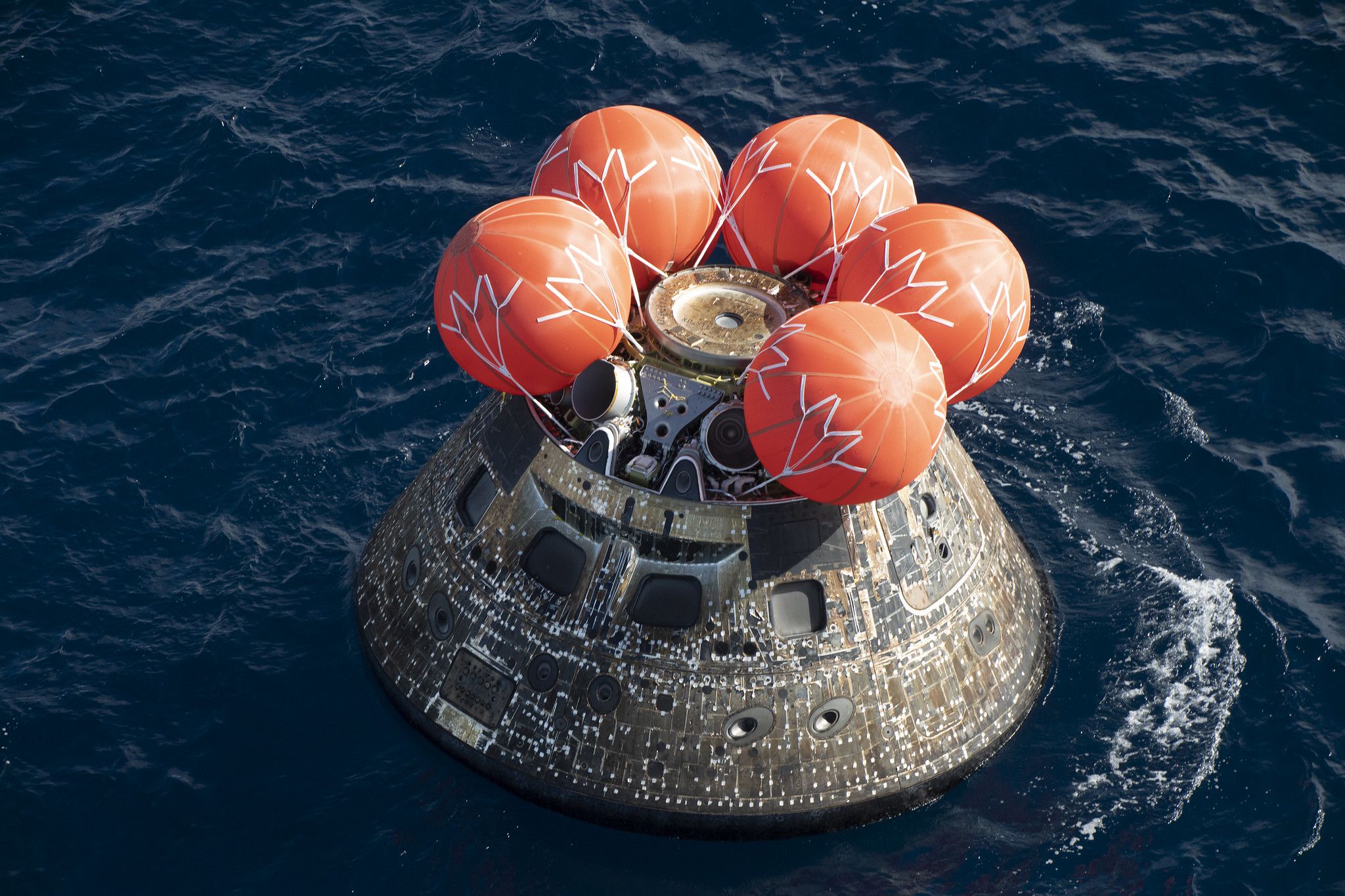
NASA’s Artemis 2 mission ended with a successful splashdown of the Orion spacecraft on April 10, closing out a 10-day test flight around the moon and bringing its four astronauts back to Earth. According to the source material, the capsule returned off the coast of Southern California, with the landing scheduled for about 8:07 p.m. EDT on Friday, April 10, which corresponded to 0007 GMT on April 11.
The safe return is the central fact that matters most. Human deep-space missions are judged above all by whether crews come home safely, and Artemis 2 was explicitly framed as a historic mission. With Orion back in the water and the crew recovered from a mission that looped around the moon, NASA has cleared one of the most visible milestones in its current lunar campaign.
Why Artemis 2 mattered before splashdown
Artemis 2 was not described as a landing mission. It was a crewed test flight around the moon, lasting 10 days, and its significance lay in demonstrating that NASA’s current exploration architecture could carry astronauts out to lunar distance and return them to Earth. In that sense, splashdown was not just the end of the mission. It was the decisive validation point.
Spaceflight history is full of launches that looked successful until return and recovery introduced their own hazards. Reentry, ocean landing, crew safety, and post-mission retrieval all remain operationally demanding phases. That is why the source’s update that Orion had successfully returned to Earth is more than routine mission bookkeeping. It is the completion of the mission’s core test.
The article also underscores strong public attention around the event by centering the live schedule and viewing information. That level of audience interest reflects the symbolic weight attached to Artemis. NASA is not only flying hardware. It is trying to rebuild a long-duration public and political mandate for crewed lunar exploration.

A milestone for NASA’s broader lunar campaign
The Artemis program has been designed to return astronauts to the moon and establish a more sustained exploration framework. Within that structure, Artemis 2 occupies a specific role: proving a human mission profile around the moon before more ambitious follow-on efforts. The mission’s successful conclusion therefore strengthens the credibility of later steps in the campaign.
The splashdown off California also highlights how even modern lunar missions still culminate in a sequence that can feel strikingly familiar: a spacecraft reenters Earth’s atmosphere and lands in the ocean for recovery. That continuity with earlier eras of exploration is part of Artemis’s political and cultural resonance. It blends new program ambitions with recognizable human-spaceflight rituals.
At the same time, the stakes are contemporary. Every major Artemis milestone is read by allies, commercial partners, and international competitors as a signal about NASA’s ability to execute on schedule and sustain momentum. A safe end to Artemis 2 does not settle larger questions about pace or future mission architecture, but it does deliver one clear answer: this crewed lunar test flight completed its return phase successfully.
The public-facing value of a successful recovery
The source material is structured around a practical question, asking when splashdown would happen and how people could watch. That may sound simple, but it reveals something important about the role of flagship missions in the current media environment. Public engagement is part of the mission ecosystem. A crewed moon flight is both an engineering exercise and a narrative event.
NASA benefits when a critical operation such as splashdown is legible to a broad audience. Timing, livestreams, and mission updates translate technical milestones into shared civic moments. For a program that depends on long-term backing, that visibility matters. A successful return that people can watch in real time has strategic communications value alongside its engineering value.
It also reintroduces a familiar spaceflight image into the present: astronauts circling the moon and then returning home to a Pacific recovery zone. That combination of operational achievement and public symbolism is one reason Artemis continues to command attention beyond specialist circles.

What comes next after a clean ending
The successful splashdown does not complete Artemis as a program, but it does close an important chapter. The immediate next steps will revolve around analyzing mission performance, spacecraft behavior, crew experience, and recovery operations. Test flights earn their value through data, and Artemis 2 will be mined closely for lessons that shape future missions.
For NASA, the result provides tangible progress rather than abstract planning. Artemis missions are often discussed in terms of long-range goals, but programs advance through specific operational checkpoints. A crew sent around the moon for 10 days has now been brought back safely. That is a concrete achievement with real programmatic weight.
Why this story matters
- Artemis 2 was a crewed 10-day test flight around the moon.
- NASA’s Orion spacecraft successfully returned to Earth on April 10.
- The splashdown took place off the Southern California coast.
- The mission’s safe recovery strengthens confidence in later Artemis steps.
For now, the headline is clean and consequential: NASA flew a four-astronaut lunar test mission and brought the crew home safely. In spaceflight, that remains the result that turns ambition into credibility.
This article is based on reporting by Space.com. Read the original article.
Originally published on space.com