Another 24 satellites are set to join a constellation already above 10,000 spacecraft
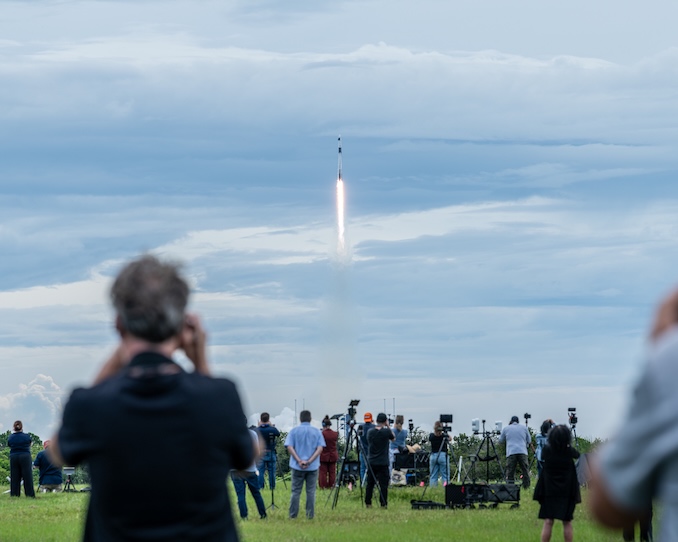
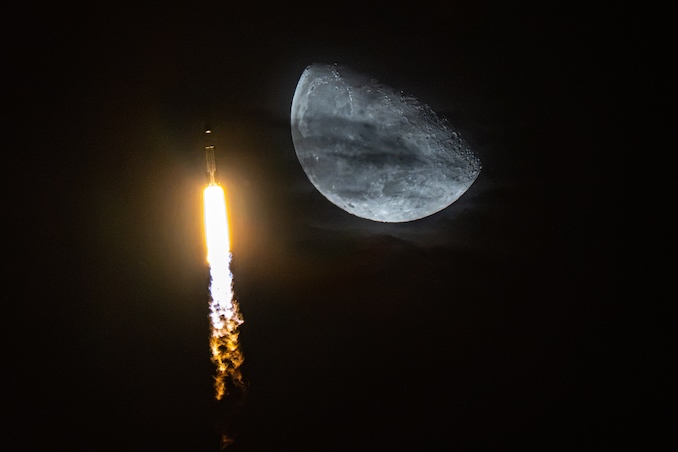
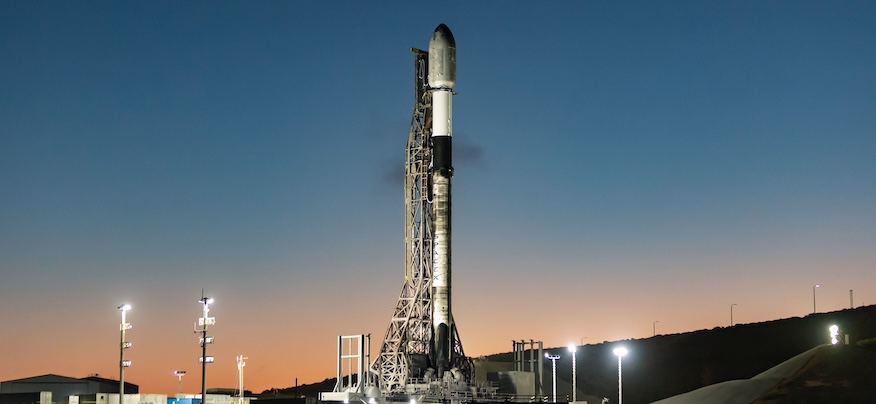
SpaceX is preparing to launch what would be its 50th dedicated Starlink mission of 2026, a marker that says as much about cadence as it does about satellite count. The Starlink 17-41 mission is scheduled to lift off from Space Launch Complex 4 East at Vandenberg Space Force Base, carrying 24 broadband satellites to low Earth orbit.
According to the supplied report, the launch would also close out SpaceX’s tenth and final mission of May. In other words, this is not simply another routine deployment. It is part of a launch tempo that has turned the expansion of a global communications constellation into a near-continuous industrial process.
The scale of Starlink now matters as much as each launch
The source text says the Starlink system already consists of more than 10,000 spacecraft in orbit. That figure is the backdrop for the significance of this mission. Early constellation launches were about building minimum viable coverage. Current launches increasingly look like network maintenance, densification, and performance expansion at planetary scale.
Every additional batch changes the system incrementally rather than introducing it. SpaceX is no longer proving that a massive broadband constellation can be deployed. It is operating one and growing it in parallel, using the Falcon 9 as the workhorse that keeps the architecture moving.
A reusable booster keeps flying
The mission is set to use Falcon 9 booster B1082 on its 22nd flight, according to the supplied report. Reuse remains one of the clearest drivers of SpaceX’s sustained cadence. A first stage that has already flown more than twenty times would once have been a remarkable outlier. In the current operating model, it is part of the normal rhythm.
After stage separation, the booster is expected to attempt a landing on the drone ship Of Course I Still Love You. If successful, the report says it would mark the 199th landing on that vessel and the 617th booster landing overall for SpaceX. Those numbers underline how reusability has shifted from demonstration to infrastructure.
Why this launch still counts as news
At first glance, a Starlink launch can look repetitive. The rocket, target orbit, and payload class are familiar. But repetition is the point. A company that can fly this often is not just placing satellites. It is compressing the cycle time between manufacturing, deployment, network growth, and service expansion.
That matters commercially because Starlink’s value depends on the health and density of the constellation. It matters strategically because low Earth orbit has become a more contested and economically important domain. And it matters operationally because high-frequency launch is increasingly its own competitive moat.
The broader picture
The 50th dedicated Starlink mission of the year is a milestone, but it is also evidence of a larger transition in space activity. Launch used to be the scarce step. For operators at this scale, launch is becoming a recurring logistics layer, more akin to freight movement than a one-off event.
SpaceX’s model still raises the familiar questions about orbital crowding, debris management, and the long-term effects of mega-constellations. Those issues do not disappear because the launches have become normal. If anything, normalization makes them more urgent because the number of spacecraft involved keeps growing.
For now, though, the immediate story is about cadence and execution. Another 24 satellites, another reused booster, another drone-ship recovery attempt, and another increment in a constellation that has already moved beyond the threshold of novelty. The mission may be routine by SpaceX standards, but the pace itself remains one of the most consequential developments in the space industry.
This article is based on reporting by Spaceflight Now. Read the original article.
Originally published on spaceflightnow.com