NASA Reveals Artemis III Crew and Mission Details
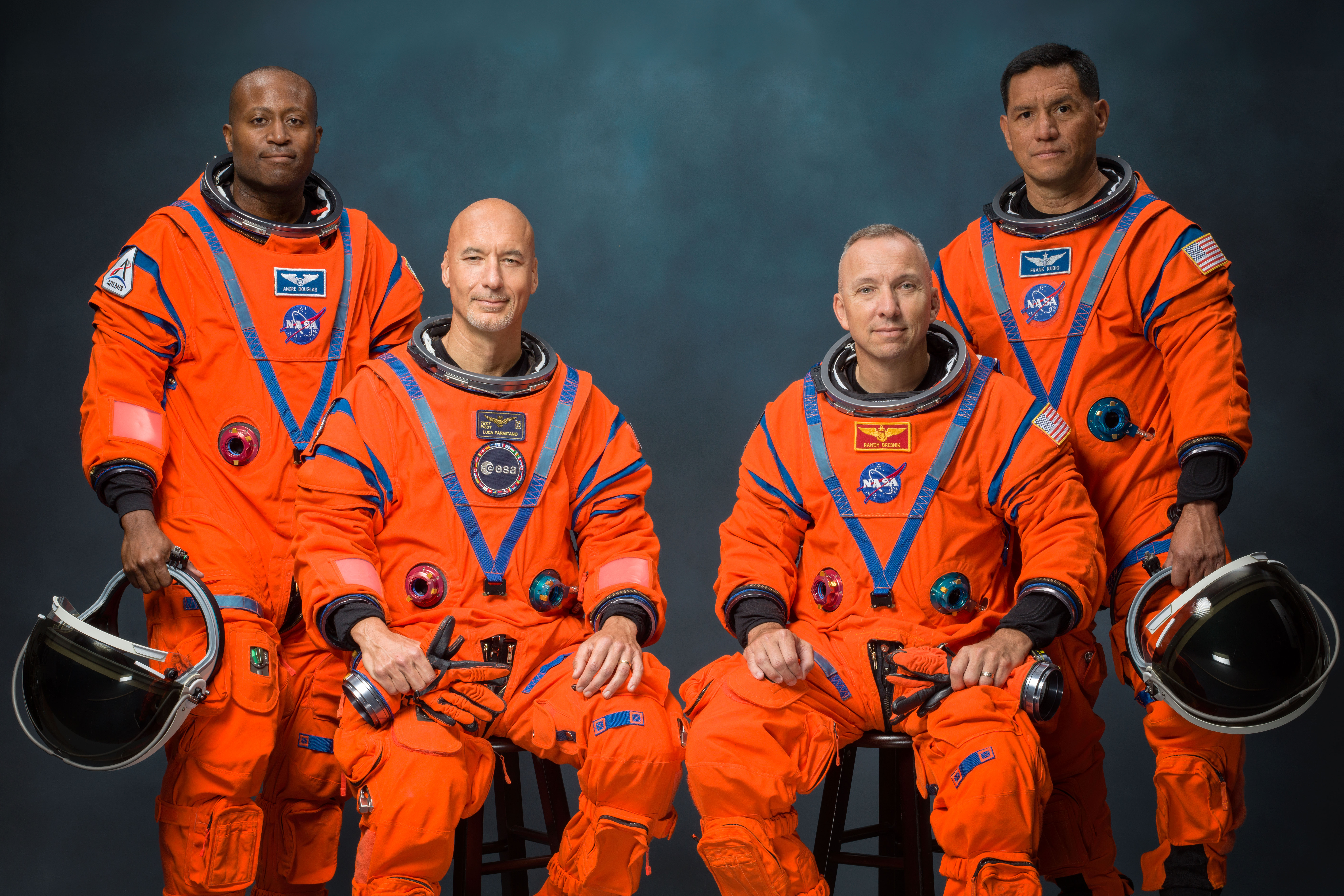
On Tuesday, NASA took another significant step toward one of the most complex crewed missions in recent history by providing new details about Artemis III and announcing the four primary crew members and an alternate for this test flight. Scheduled for 2027, the mission will conduct a series of demanding tests near Earth that are essential for Artemis IV, the first crewed mission to the lunar South Pole, targeted for 2028.
Artemis III: A Critical Test Flight in Earth Orbit
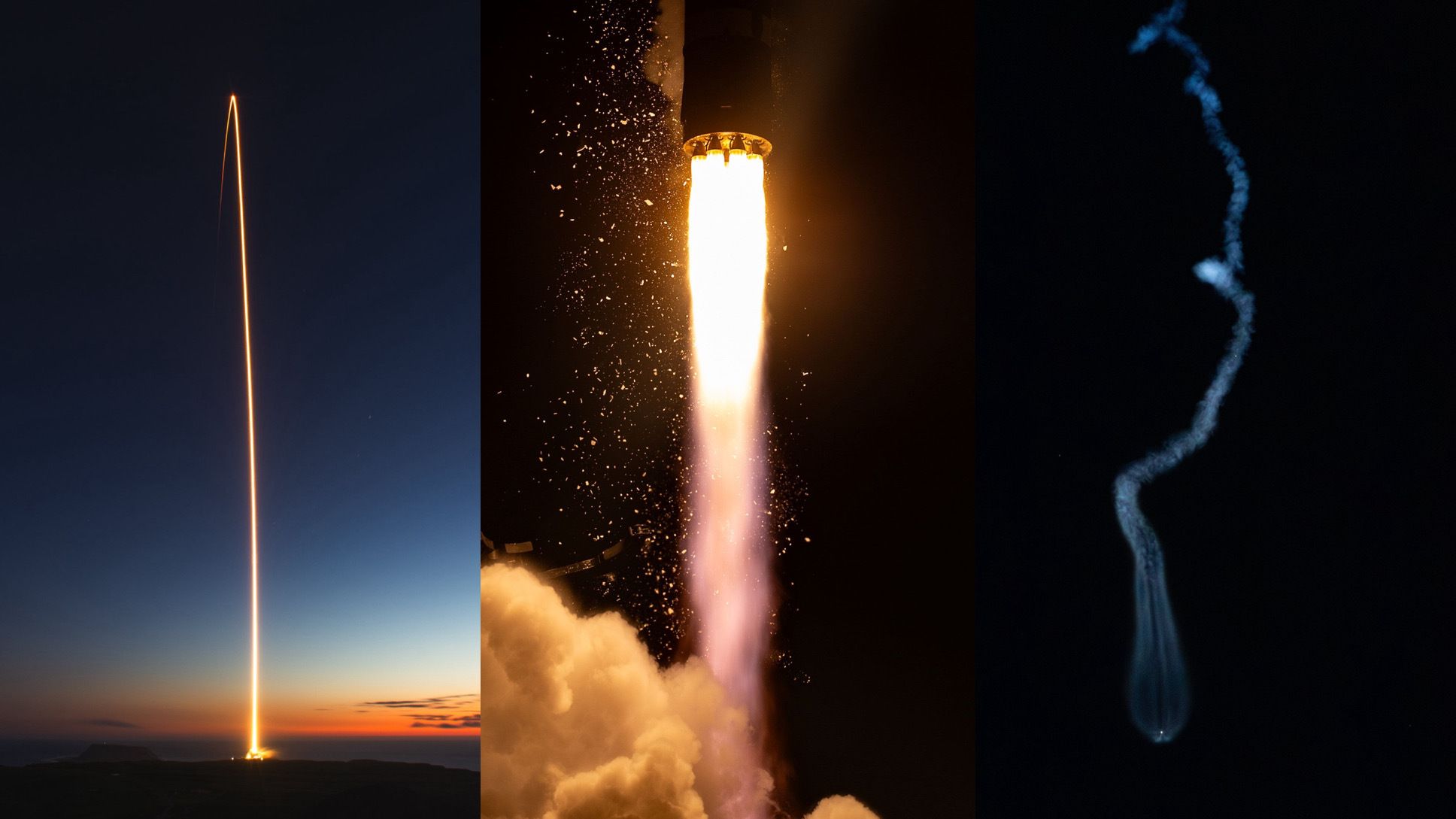
In the Artemis III mission, NASA's Space Launch System (SLS) rocket will launch the Orion spacecraft and its crew from Kennedy Space Center in Florida into low Earth orbit. After verifying Orion's systems, the spacecraft will demonstrate for the first time its ability to rendezvous and dock with test versions of one or both U.S. commercial human landing systems, currently being developed by Blue Origin and SpaceX. This carefully choreographed mission includes a spectacular campaign of multiple launches of the world's most powerful rockets and will test integrated equipment between Orion and the lander modules, as well as system interfaces, software, propulsion, and communications.
The Artemis III Crew
The astronauts assigned to the crew are as follows:
- NASA astronaut Randy Bresnik, commander
- ESA (European Space Agency) astronaut Luca Parmitano, pilot
- NASA astronaut Andre Douglas, mission specialist
- NASA astronaut Frank Rubio, mission specialist
During Tuesday's event, NASA astronaut Bob Hines was named as the alternate crew member. The crew will begin training immediately on Orion spacecraft systems and will also collaborate on the development and operations of the test versions of the Blue Origin and SpaceX landers.
Leadership Comments
“Today we take another bold step in humanity's return to the Moon, building on the extraordinary foundation laid by the Artemis II astronauts,” said NASA Administrator Jared Isaacman. “Their achievements rekindled global enthusiasm for exploration, and now they pass the torch to the Artemis III team: Randy, Luca, Frank, and Andre. Artemis III will demonstrate the power of American innovation and international collaboration.”
Mission Objectives and Significance
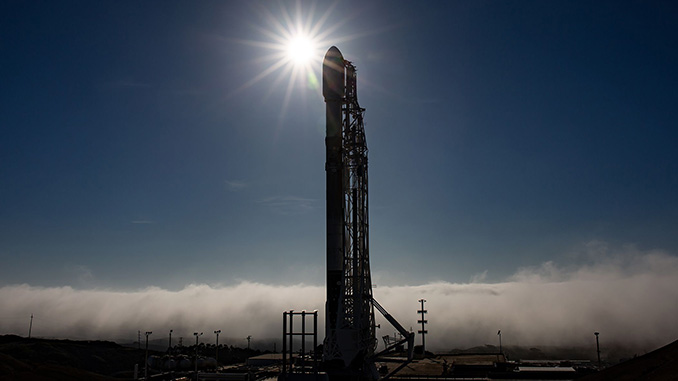
Artemis III is designed to validate critical technologies and procedures in low Earth orbit before committing to a lunar landing. The mission will test Orion's docking capabilities with commercial landers, ensuring that the systems work together seamlessly. This includes evaluating communication links, propellant transfer, and crew interfaces. The data gathered will directly inform the Artemis IV mission, which aims to land astronauts at the lunar South Pole for the first time.
The mission also highlights the growing partnership between NASA and commercial space companies. Blue Origin and SpaceX are both developing human landing systems under NASA's Human Landing System program, and Artemis III will provide an early opportunity to test their hardware in a crewed scenario.
Training and Preparation
The crew will undergo extensive training in the coming months, focusing on Orion spacecraft operations, emergency procedures, and the specifics of docking with the commercial landers. They will also work closely with engineers from Blue Origin and SpaceX to refine the design and operation of the landers. This collaboration is crucial to ensuring the safety and success of the mission.
Looking Ahead to Artemis IV
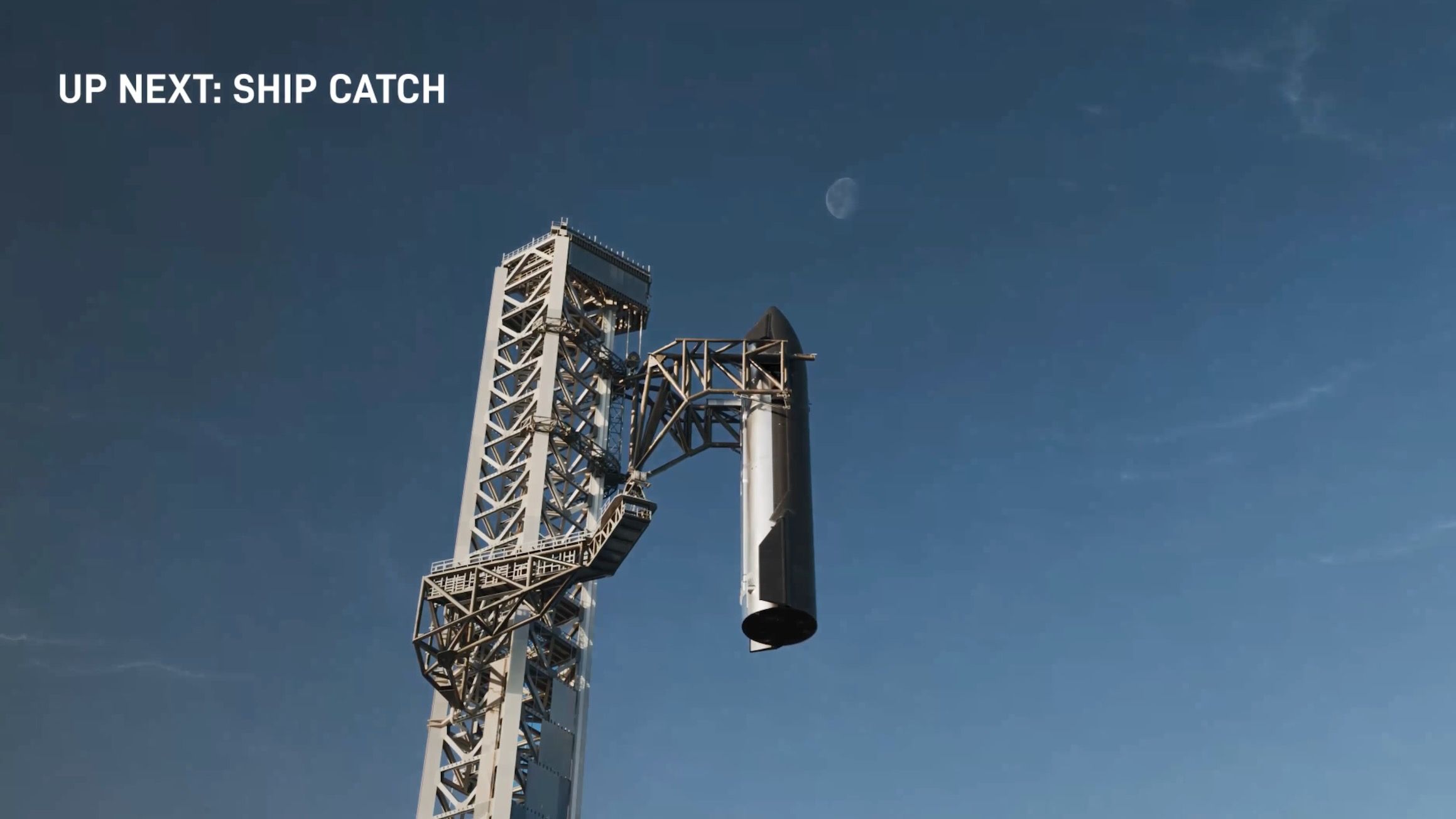
Artemis IV, currently planned for 2028, will be the first crewed mission to land on the lunar South Pole. The mission will build on the lessons learned from Artemis III, using the same Orion spacecraft and commercial landers, but this time descending to the Moon's surface. The South Pole is of particular interest due to the presence of water ice in permanently shadowed craters, which could be used for life support and fuel production.
NASA's Artemis program aims to establish a sustainable human presence on the Moon, with the ultimate goal of sending astronauts to Mars. Each mission incrementally increases capability and complexity, with Artemis III serving as a vital stepping stone.
Conclusion
With the announcement of the Artemis III crew and mission details, NASA continues to make steady progress toward returning humans to the Moon. The 2027 test flight will demonstrate key technologies and foster international and commercial partnerships, setting the stage for an ambitious future in space exploration.
This article is based on reporting by NASA. Read the original article.
Originally published on nasa.gov