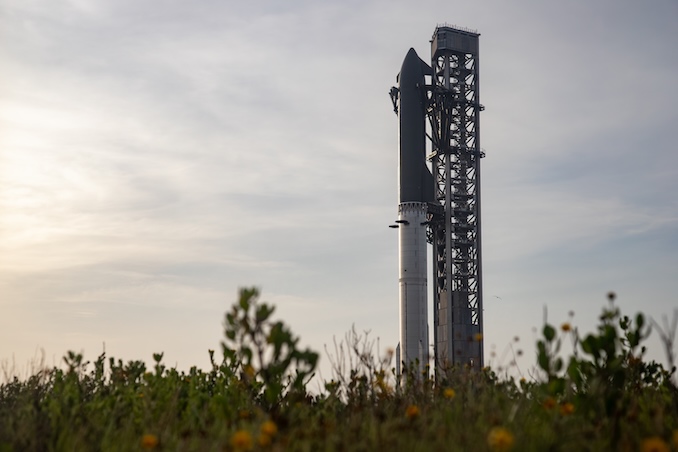
Starship gets another launch date
SpaceX is preparing for a second attempt to launch Starship Flight 13 after a week defined by engine work, vehicle restacking, and weather delays along the Texas coast. According to Spaceflight Now’s July 23 update, the company waived off a Thursday launch attempt because of weather and shifted its target to Friday, July 24, with a 90-minute window opening at 5:45 p.m. CDT, or 2245 UTC.
The new date follows a more serious interruption a week earlier, when the fully integrated Starship-Super Heavy vehicle experienced a post-ignition abort. Telemetry shown during that July 16 attempt indicated that four engines apparently did not ignite just before the countdown was stopped. The hard engine stop triggered a rapid round of inspections and hardware changes that forced SpaceX to separate the vehicle and return both stages to the production site.
A week of engine work and retesting
In the hours after the aborted attempt, Ship 40 was de-stacked from Booster 20 and moved back to Starbase’s production area. Booster 20 followed later the same day. SpaceX founder Elon Musk said at least two Raptor engines needed to be removed after the hard stop, underscoring that the issue went beyond a minor countdown recycle.
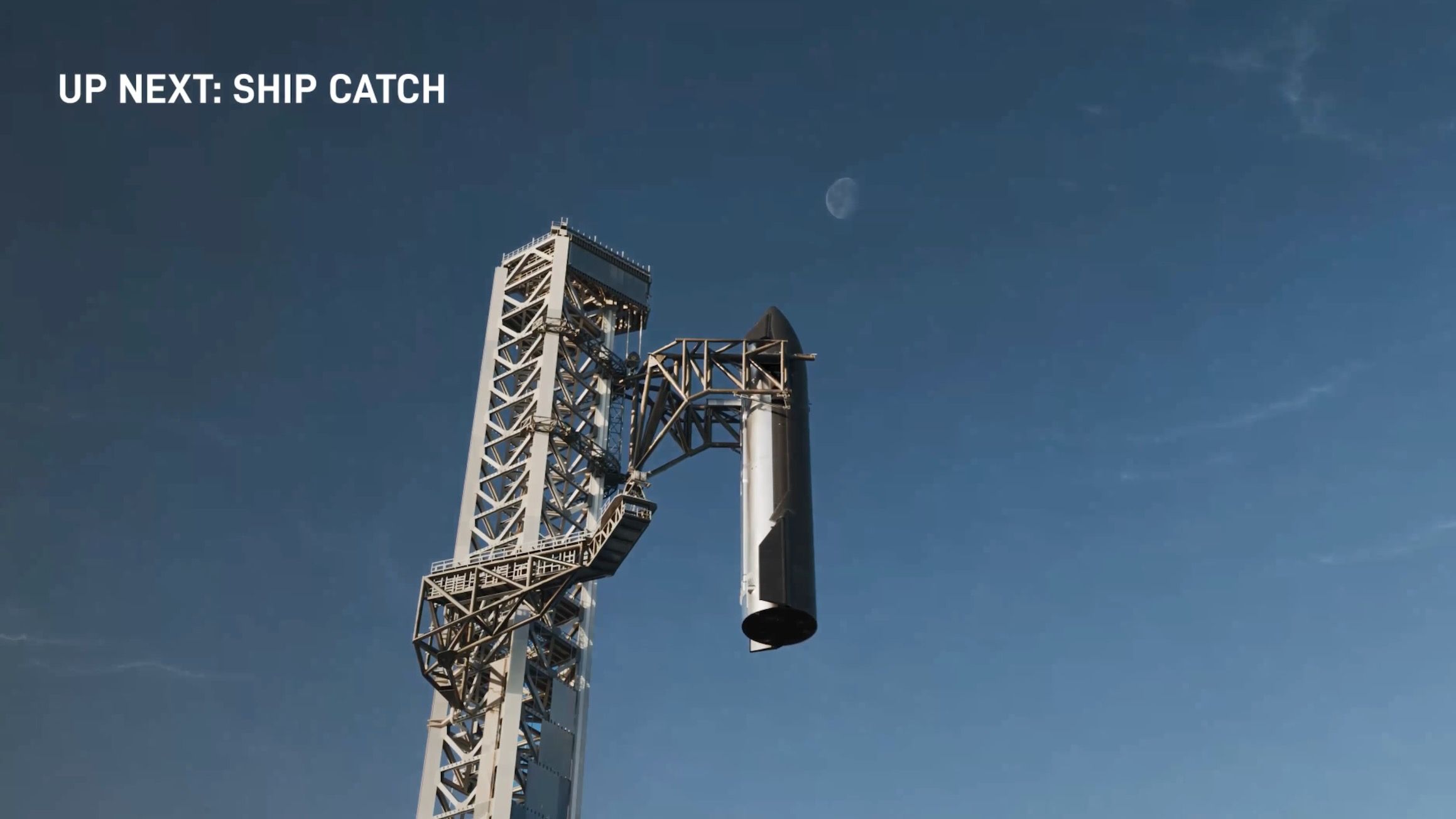
By July 21, Booster 20 had returned to Pad 2. The following day, SpaceX loaded the booster with liquid oxygen and liquid methane, then drained it again after completing additional preflight testing. The company subsequently said that preflight testing on Super Heavy was complete and that weather had become the main watch item for the next attempt. Ship 40 returned to the pad on July 22 and was stacked atop Booster 20 that evening, restoring the full launch configuration.
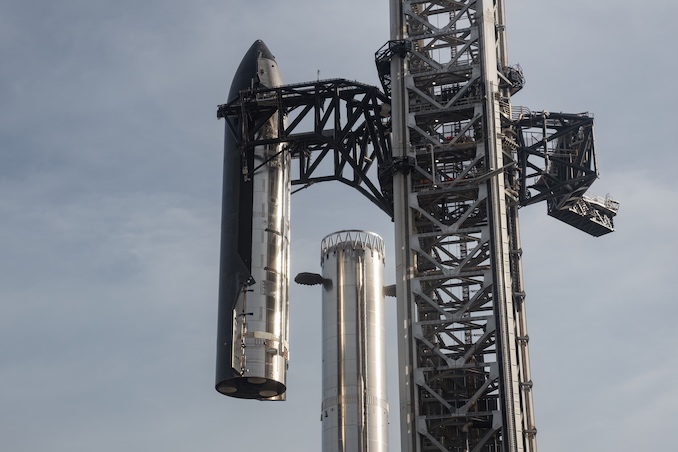
That sequence matters because it shows how SpaceX handled the setback. Rather than trying a quick turnaround on the pad, the company pulled both stages back for direct work at the production site, swapped out at least some engines, ran new propellant-loading tests, and only then restacked the system. For a program built around rapid iteration, Flight 13 has become another example of how that speed still depends on extensive ground operations when engines or stage interfaces misbehave.
Why Flight 13 is more than another test
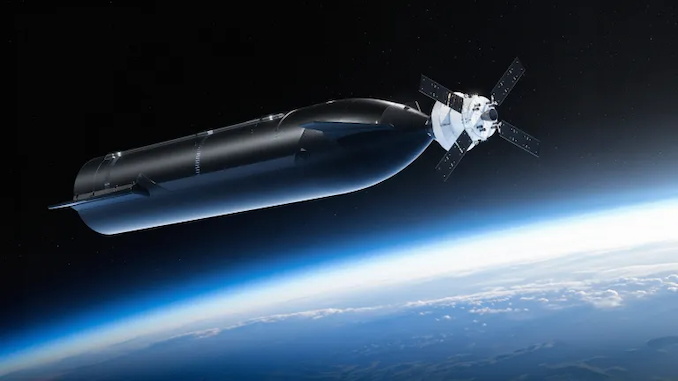
One of the mission’s main objectives is especially significant: SpaceX plans to deploy 20 Starlink V3 satellites from Ship 40. The company has previously released Starlink simulators from Starship test flights, but this mission is intended to be the first deployment of production satellites from the vehicle.
That makes Flight 13 an important bridge between experimental launch testing and the operational use case SpaceX ultimately wants for Starship. According to the mission description cited by Spaceflight Now, the satellites are expected to extend solar arrays and antennas and attempt to connect with the broader Starlink constellation using high-capacity lasers. The article also states that the satellites are planned to remain on the same suborbital trajectory as Starship, meaning this is still a test of deployment and connectivity rather than a routine insertion into a long-term orbital shell.
Even so, a successful release would represent a notable step. Starship’s commercial value depends heavily on whether it can eventually move large numbers of satellites, cargo, and potentially other payloads at a scale unavailable to smaller rockets. Demonstrating deployment of real Starlink hardware would show progress not just in launch, but in the tasks that happen after ascent.
Weather remains a real constraint
The delay from July 23 to July 24 was not caused by another technical failure, at least based on the supplied source text. Instead, SpaceX stood down because Tropical Storm Bertha was expected to affect Texas weather conditions. That distinction is important for reading the timeline. The company’s hardware troubles centered on the earlier post-ignition abort and subsequent engine replacement work. The most recent slip came after those repairs and tests, with weather becoming the deciding factor.
Launch operations at Starbase have frequently had to balance technical readiness with Gulf Coast conditions, and tropical activity raises the stakes. High winds, rain bands, and broader range-safety concerns can all narrow acceptable launch opportunities. In that sense, Flight 13 now reflects two separate challenges at once: proving the propulsion system is ready after an abort, and finding a clean weather window to confirm that in flight.
What to watch on July 24
If SpaceX proceeds on Friday, attention will focus first on engine ignition across Super Heavy. After on-screen telemetry from the July 16 attempt suggested multiple engines did not light, a clean startup sequence will be the first visible sign that the week of work produced the intended fix. From there, observers will watch whether Starship clears the launch pad normally and whether mission operations progress far enough to test the planned satellite deployment sequence.
Because this remains a developmental flight, even a partial success could matter. The program does not need to reach a finished operational profile on one mission to generate useful data. But Flight 13 has higher stakes than a routine retest because it comes after a pad abort, explicit engine removals, and a mission objective tied to real Starlink hardware rather than simulators.
In practical terms, the mission is now a measure of whether SpaceX can convert a visible launch setback into a fast but credible recovery. The company has already shown that it can rework engines, retest the booster, and restack the vehicle within days. The next question is whether those steps are enough to carry Starship through liftoff and into its most consequential payload test to date.
This article is based on reporting by Spaceflight Now. Read the original article.
Originally published on spaceflightnow.com