Volkswagen and Audi owners face an 80% charging limit
Volkswagen and Audi are recalling tens of thousands of electric vehicles in the United States over a potential high-voltage battery safety issue. The automakers’ central precaution is unusually direct: affected owners should avoid charging above 80% state of charge because a higher charge level may trigger thermal propagation within the battery.
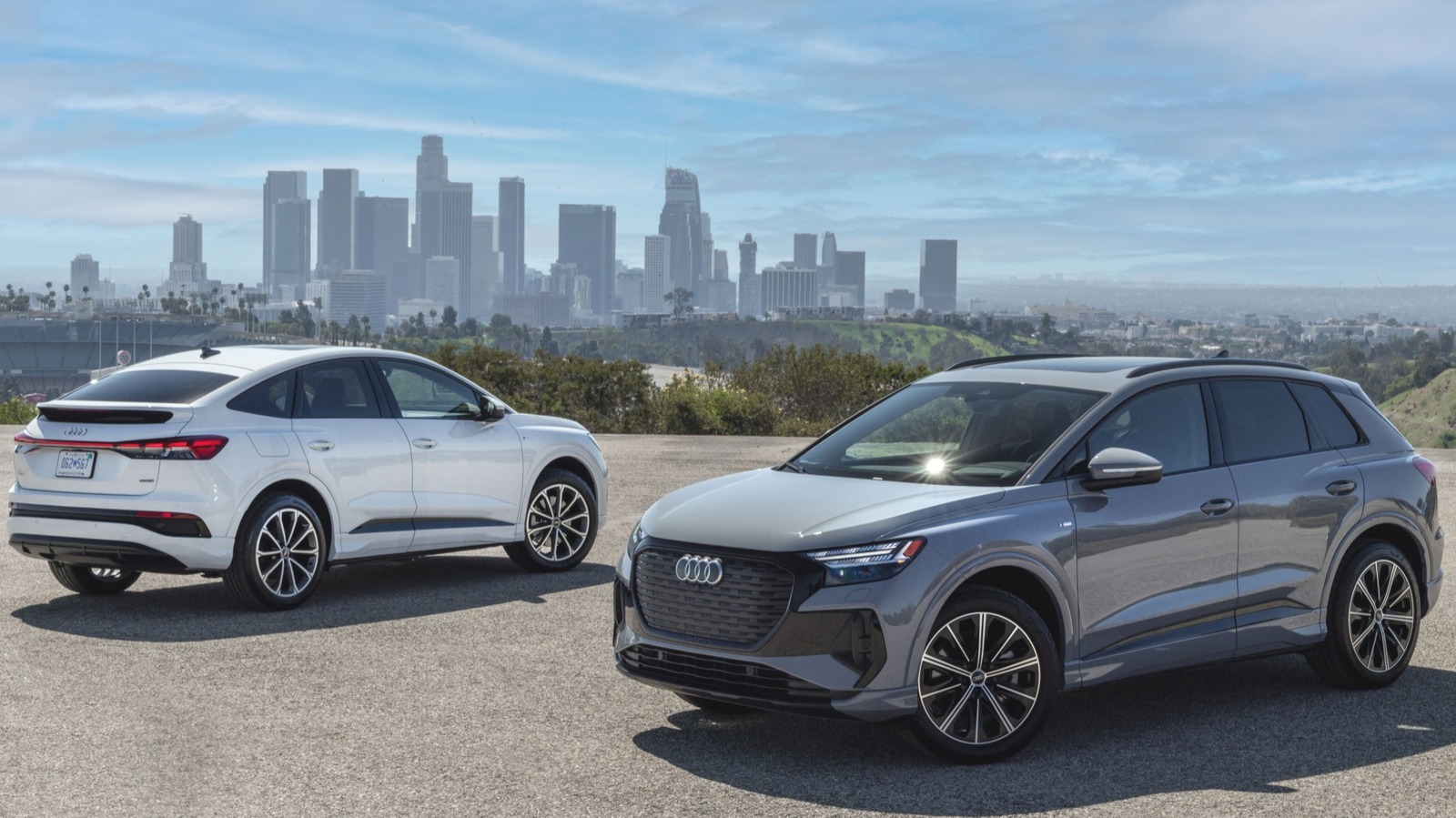
The recall covers 22,524 Volkswagen ID.4 vehicles from model years 2023 through 2026. Audi is recalling 2,008 model-year 2024 and 2025 Q4 Sportback E-Trons and 7,040 model-year 2024 and 2025 Q4 E-Trons. Although the companies estimate that only 0.1% of the recalled vehicles may have the defect, battery fires carry enough potential severity that the temporary charging guidance is central to the response.
What the warning means
Thermal propagation refers to a failure that can spread through a high-voltage battery. The source text says the root cause of the fires has not yet been identified. Volkswagen and Audi’s reports to the National Highway Traffic Safety Administration state that a state of charge above 80% may trigger thermal propagation within the high-voltage battery.
The recalls are precautionary rather than a blanket instruction to stop using the vehicles. Neither Volkswagen nor Audi issued a do-not-drive warning. Neither company advised owners to park outside. Instead, the practical restriction is on charging: owners of the affected vehicles should keep the battery at or below 80% until an official remedy is available.

Different interim approaches for the two brands
Volkswagen has already sent an over-the-air update to affected ID.4 vehicles that limits the maximum charge to 80%. Owners reportedly had about a week to opt out of that forced limitation. Audi Q4 E-Tron owners had not received the same remotely imposed cap at the time of publication, but they are being told to avoid charging over the threshold.
That difference is notable because the underlying precaution is similar across both brands. In each case, the automaker is asking owners to trade some day-to-day range for a safety margin while the companies work toward a repair. For drivers who normally charge to full before longer trips, the limit could require more deliberate planning around public charging or route stops.
Reported incidents and the size of the recall
Volkswagen is aware of 22 claims of incidents related to the recall between January 2024 and August 2026, according to the report. Audi, meanwhile, was not aware of Q4 E-Trons catching fire because of this issue at the time of publication. Those figures should not be read as proof that the risk is trivial: the recalls are specifically intended to reduce the chance of a serious event while the cause is still unresolved.
The scale of the combined action also illustrates a challenging feature of modern electric-vehicle recalls. A potential safety issue can be addressed quickly in part through vehicle software, as with Volkswagen’s update, but a software cap is not the same as a permanent repair. The automakers have not yet announced an official remedy.
What affected drivers should do
Owners should first check whether their vehicle identification number is included in the recall. VINs are searchable through the NHTSA website. If a vehicle is affected, the key interim instruction is to avoid charging above 80% until the manufacturer provides revised guidance or a repair.
Volkswagen expects to notify ID.4 owners by November 27. Audi expects notification for Q4 E-Tron owners by December 18. The different dates reflect the separate recall campaigns, even though both concern a potential battery issue tied to charging above the same threshold.
Drivers should also pay close attention to communications from their manufacturer, dealer and NHTSA. Because Volkswagen has used an over-the-air update for the ID.4, affected owners may see a charging limit applied through their vehicle software. Audi owners should not assume that the absence of an automatic cap removes the need to follow the 80% instruction.
A temporary restriction with real consequences
Charging to 80% is already common for many EV owners seeking to reduce routine battery stress, but it becomes a more consequential limitation when it is imposed as a safety measure. The restriction reduces the available range between stops and may be inconvenient for people who depend on home charging ahead of longer drives.
Still, the source reporting makes clear that the precaution is targeted: no do-not-drive notice has been issued, and no outside-parking instruction accompanies the recall. Until a repair is defined, owners have a specific, actionable step—keep the battery below 80%—while checking their VIN and waiting for formal recall notification.
This article is based on reporting by Jalopnik. Read the original article.
Originally published on jalopnik.com