Union Leader Reveals Potential Sale
In a significant development for Canada's automotive sector, Unifor President Lana Payne has disclosed that Stellantis is 'seriously' considering the sale of its Brampton Assembly Plant in Ontario. The revelation came during a recent address, where Payne emphasized that the union is not party to the ongoing discussions but confirmed the company's intentions. This news has sent ripples through the industry, raising questions about the future of the plant and its workforce.
Unifor's Position and Concerns
Payne stated, 'Unifor is not part of the talks, but we are aware that the company is seriously considering a sale.' She further noted that Stellantis 'is not an automaker' in the context of this potential transaction, suggesting that the company's strategic focus may be shifting. The union leader expressed deep concern for the approximately 2,800 workers employed at the facility, who face an uncertain future should the sale proceed. 'Our members have built their careers and their lives around this plant,' Payne said. 'We will fight to protect their jobs and their pensions.'
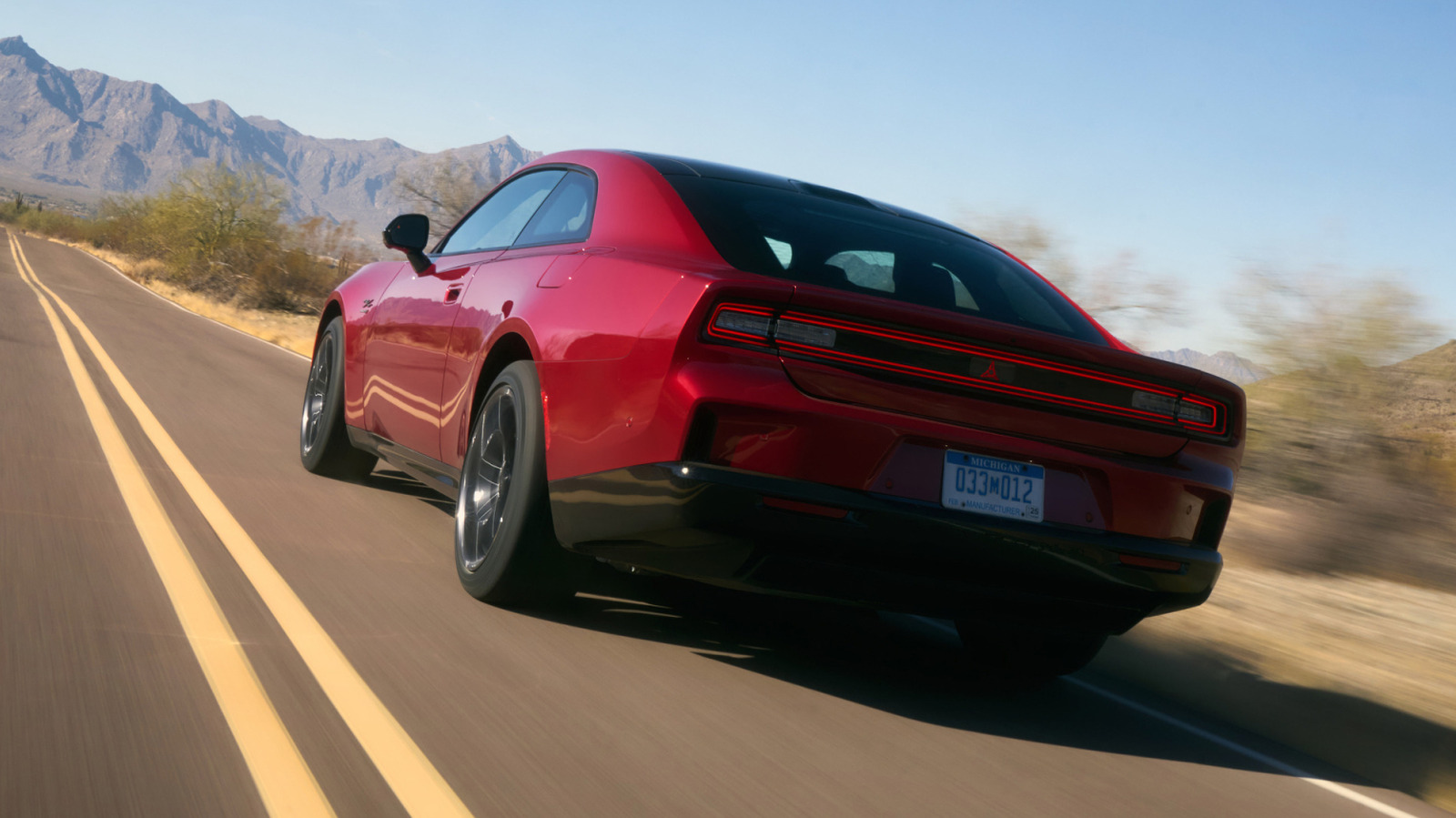
The Brampton plant has a long history in Canadian auto manufacturing, producing popular models such as the Chrysler 300, Dodge Charger, and Dodge Challenger. However, with the industry's transition to electric vehicles, Stellantis has been reevaluating its manufacturing footprint. The company has already announced significant investments in other North American facilities, including Windsor, Ontario, for EV production, leaving Brampton's future in question.
Implications for the Canadian Auto Industry
The potential sale of the Brampton plant underscores the broader challenges facing Canada's automotive sector. As global automakers pivot toward electrification, they are consolidating operations and seeking government incentives to support new investments. Canada has been competing with the United States and Mexico for these investments, and the loss of a major assembly plant would be a significant blow.
Industry analysts suggest that Stellantis may be looking to divest assets that are not aligned with its long-term EV strategy. The Brampton plant, which currently produces internal combustion engine vehicles, may not be suitable for conversion to EV production without substantial investment. A sale could allow Stellantis to raise capital and focus on more profitable ventures, but it would also mean the loss of thousands of well-paying jobs in the region.
Government and Community Response
Local politicians and community leaders have expressed alarm at the news. Ontario's Premier has called on Stellantis to clarify its intentions and to work with the provincial government to preserve jobs. 'We are committed to supporting our auto workers and ensuring that Ontario remains a hub for automotive manufacturing,' a spokesperson said. The federal government has also indicated a willingness to engage in discussions to keep the plant operational.
Unifor has called for an urgent meeting with Stellantis executives to discuss the future of the plant. Payne emphasized that the union is open to exploring all options, including a sale to a buyer who would maintain production and employment. 'We are not opposed to new ownership if it means keeping the plant open and our members working,' she said. 'But we will not accept a scenario where the plant is sold and then closed.'

Broader Context: Stellantis's Global Strategy
Stellantis, formed in 2021 through the merger of Fiat Chrysler Automobiles and PSA Group, has been aggressively restructuring its operations worldwide. The company has announced plans to invest billions in EV production, with a target of selling only electric vehicles in Europe by 2030 and in North America by 2035. As part of this strategy, Stellantis has been evaluating its existing plants for efficiency and future-readiness.
The Brampton plant is one of several facilities that may be affected by this restructuring. In recent months, Stellantis has also announced the closure of a plant in Illinois and has been in negotiations with unions in various countries over job cuts and investment commitments. The company's focus on high-margin vehicles and electrification has led to a portfolio review that could result in further divestitures.
What's Next for Brampton?
As of now, no formal sale agreement has been reached, and Stellantis has not publicly commented on the union's statements. The company has a history of negotiating with unions and governments to reach mutually beneficial outcomes, and it remains possible that the plant could be repurposed or sold to a buyer with a viable business plan.
For the workers at Brampton, the uncertainty is taking a toll. Many have spent decades at the plant and are unsure about their future. 'We've heard rumors for months, but hearing it from our union president makes it real,' said one worker who asked to remain anonymous. 'We just want some clarity so we can plan our lives.'
Unifor has pledged to keep its members informed and to fight for the best possible outcome. The union is also reaching out to other potential investors and stakeholders to gauge interest in the plant. 'We are not going to sit back and let this happen,' Payne said. 'We will use every tool at our disposal to protect our members and their communities.'
Conclusion
The potential sale of the Brampton Assembly Plant marks a critical juncture for Canada's auto industry and for the workers who depend on it. While Stellantis's consideration of a sale is not yet a done deal, the implications are profound. The outcome will depend on negotiations between the company, the union, and governments, as well as the broader market forces shaping the global automotive industry. For now, all eyes are on Stellantis and its next move.
This article is based on reporting by Automotive News. Read the original article.

Originally published on autonews.com