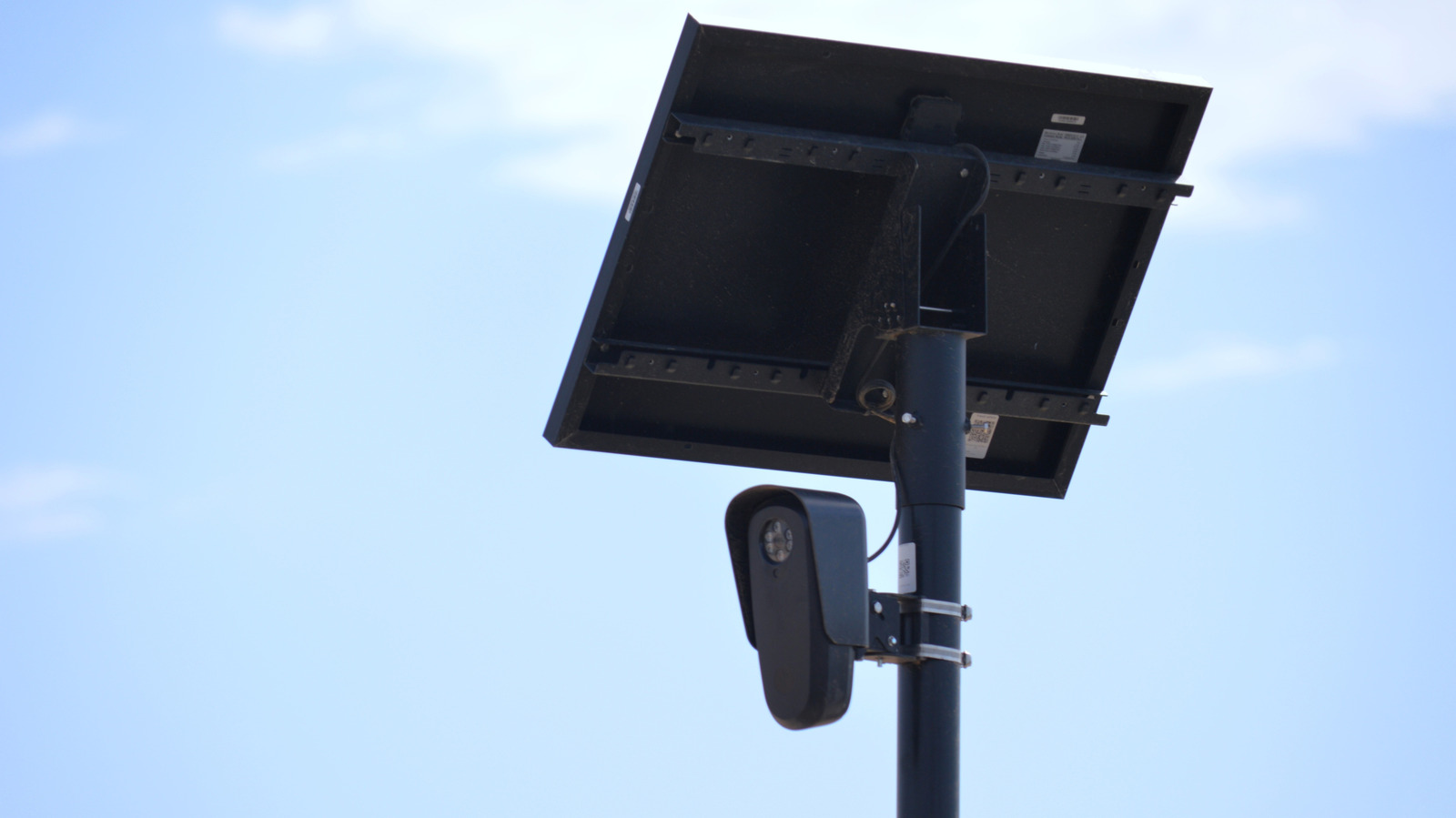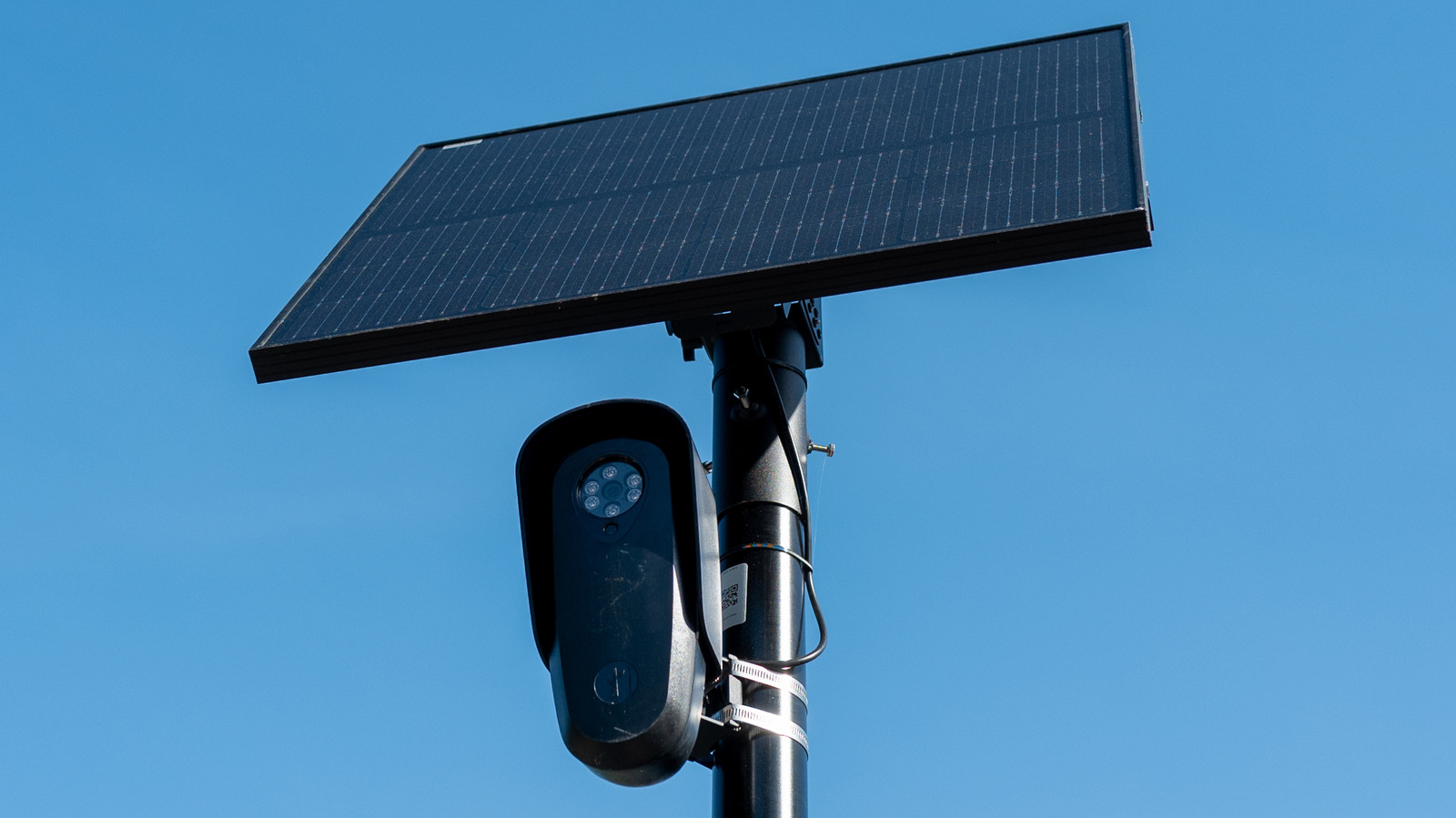
Flock Safety has spent years presenting itself as a company defined by accountability, transparency and airtight security. That carefully managed reputation is now colliding with a fight over a website that did little more than show where the company's cameras actually are. As of Monday, September 28, 2026, that site is gone.
According to reporting from The Intercept, cybersecurity researcher Joshua Michael, who operated FlockSurveillance.org, received a trademark infringement complaint filed on Flock's behalf, along with a strongly worded letter that "requested" the site be taken down. By Monday evening, the website was no longer reachable. The sequence raises an obvious question: what, exactly, was a mapping project doing that warranted legal pressure from one of the fastest-growing surveillance vendors in the United States?
Three Different Answers to One Simple Question
One of the quieter revelations inside this dispute is how little agreement exists about the size of Flock's footprint. Flock itself says it operates 120,000 cameras across 49 states. DeFlock, a community-driven effort that collects and shares data submitted by members of the public, puts the number closer to 143,000. Neither figure matches the third source — which happens to be Flock's own systems.
Michael's dataset did not come from scrapers, leaks sold on dark web forums, or guesswork based on municipal contracts. It came from Flock. That detail matters enormously, because it shifts the story from a researcher estimating a company's reach to a company's own infrastructure revealing it.
A Publicly Exposed Key and a Full View of FlockOS
For a period in late 2025, accessing Flock's network was disturbingly straightforward. A security key was exposed publicly on Flock's own systems, and that single credential granted full access to the entire FlockOS platform. The scope of what sat behind that door is difficult to overstate. According to the reporting, the exposure included live access to drone telemetry, the locations of police cars, and even the individual locations of officers tracked through their body cameras.
Michael, acting as a white-hat researcher, did what responsible disclosure guidelines call for: he attempted to report the vulnerability to Flock. He tried three times. What he eventually received was a response that essentially dismissed him. It was not until he published a detailed blog post laying out his findings that Flock moved to patch the hole.
Around that same window, Flock published its own blog post stating definitively that the company has never been hacked. The ACLU has documented a long history of Flock misleading the public in multiple different ways, which gives that claim a particular context. Whatever one calls the exposure — a misconfiguration, a leaked credential, a vulnerability, or a breach — the practical outcome for anyone relying on Flock's security posture was the same.
While he still had access, Michael saved a snapshot of every Flock device location as of December 2025. That snapshot became the backbone of FlockSurveillance.org.
What the Map Actually Contained
The archived version of the site shows a level of detail that goes well beyond a handful of pole-mounted license plate readers. Its inventory included:
- 175,269 Falcon LPR cameras, the license plate readers that form the core of Flock's business.
- 44,116 Wing PTZ pan-tilt-zoom cameras — hardware Flock says is intended for surveillance rather than reading license plates.
- 27,341 Raven Audio devices, sensors built to detect the sound of gunshots, car crashes, and, in the company's own framing, whatever else the system is trained to pick up.
Combined, the map documented 335,701 current, future and decommissioned Flock device locations as of December 2025. A separate page on the site hosted a table of the raw location data Michael had obtained, letting visitors sort and search the underlying records directly rather than relying on a visualization.
That total is far larger than the 120,000 cameras Flock publicly claims. It is also larger than DeFlock's independent estimate. The gap between the marketing number and the device-level inventory is one of the most concrete things the takedown has made harder to examine.

Transparency, but Only in One Direction
The phrase the site's operator attached to the project was blunt: "Transparency matters because questions about public safety technology are often really questions about v" — a sentence the source material cuts off mid-word, leaving the thought unfinished but the intent clear. Questions about public safety technology tend to be questions about values, consent and power.
Flock's response to the map was not a public rebuttal of the data. It was a trademark infringement complaint and a letter demanding the site come down. Trademark law can legitimately protect a company's name and branding, but applying it to a public-interest mapping project invites scrutiny of the motive rather than the merit. If the underlying location data is inaccurate, publishing a correction would settle the matter. Shutting the site down does not.
The Internet Archive Does Not Forget
The website may be down, but the internet is forever, and the Internet Archive has preserved the original site. Anyone who wants to see the 335,701 device locations, the Falcon, Wing and Raven breakdowns, or the raw data table can still do so through the archived copy. A takedown notice can remove a live domain. It cannot remove a record that has already been captured.
That creates an awkward situation for a company whose stated commitment to transparency is a central part of its pitch to city councils, police departments and the public. The harder Flock pushes to erase a map of its own hardware, the more attention that map tends to receive.

Why This Matters Beyond a Single Website
Flock's cameras sit in 49 states, mounted on poles in neighborhoods, outside schools, along commuter routes and at intersections. License plate readers, audio sensors and pan-tilt-zoom cameras are increasingly woven into routine policing, often approved through contracts that receive far less public discussion than their deployment deserves.
Residents who want to know whether a camera is mounted near their street, their child's school or their place of worship are not asking an unreasonable question. Nor are journalists, civil liberties advocates or local officials trying to audit what their departments have bought. The value of a public map is that it lets those conversations happen with specifics instead of abstractions.
Blocking access to a location database does not make the cameras disappear. It simply makes the conversation one-sided.
Open Questions That Remain
Several threads are still unresolved. Flock has not publicly explained why the exposure of a live security key granting full FlockOS access did not warrant a substantive response to the researcher who reported it three times. The company has not reconciled its public claim of 120,000 cameras with a device snapshot showing more than 335,000 entries, even accounting for future and decommissioned hardware. And it has not stated what specific harm the mapping site caused that a trademark complaint was designed to remedy.
For now, the live site is offline and the archived version stands. For anyone tracking the growth of automated surveillance in American life, the more revealing detail may not be the map itself, but how much effort went into making sure nobody could look at it.
This article is based on reporting by Jalopnik. Read the original article.
Originally published on jalopnik.com