A closer look at a familiar Hemi failure
Owners of late-model 5.7-liter and 6.4-liter Hemi V8s have long associated a persistent ticking noise with a potentially serious mechanical problem. The engines, used across Ram, Jeep, Dodge and Chrysler vehicles, can develop a valvetrain fault that begins with an audible tick and may progress to camshaft damage, misfires and, in severe cases, a full engine rebuild.
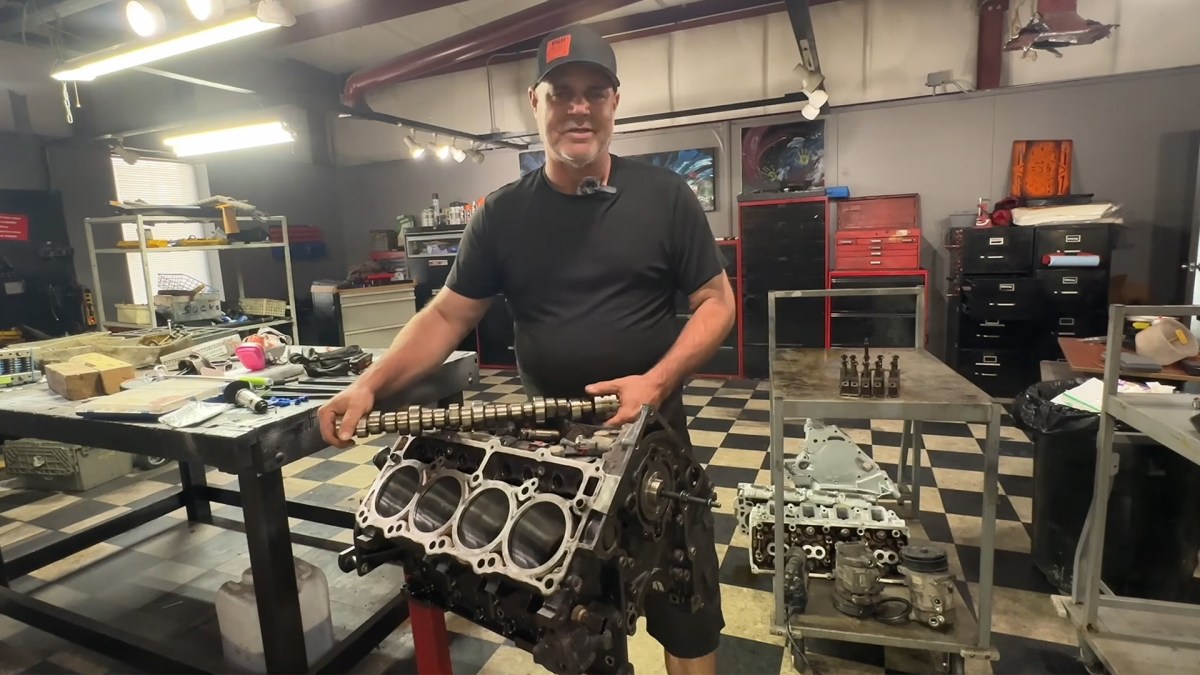
A new explanation offered by mechanic Dave Miller of Hemi Garage Hacks focuses on oil flow to the engine’s lifter rollers. Miller, who estimates he has rebuilt more than 2,000 Hemi engines, argues that a difference in the cylinder-block design of 2009-and-later engines may leave a critical oiling route unavailable during part of the lifter’s travel.
The claim is not an automaker finding or an independently validated engineering conclusion. It is a diagnosis from a specialist mechanic, supported in the report by borescope images and comparisons between an earlier Hemi design and a later engine. But it offers a specific theory for a failure that many technicians and owners have encountered.
How a tick can become major damage
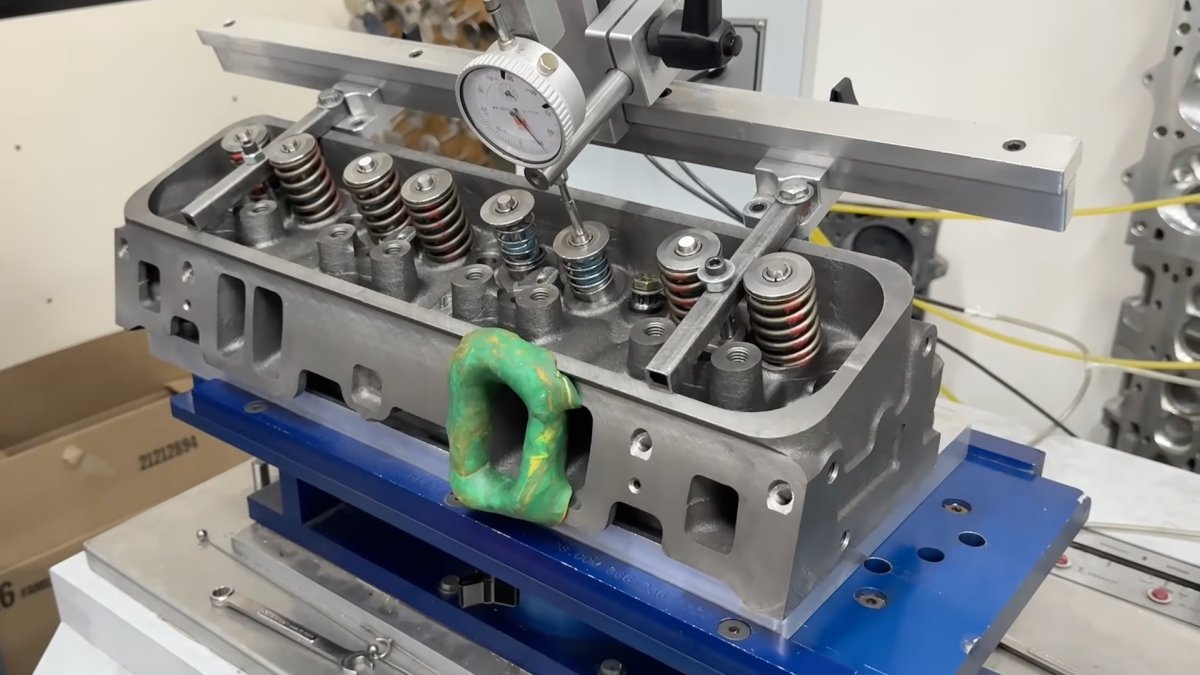
The reported failure centers on hydraulic lifters in the valvetrain. These components ride against the camshaft and use rollers and needle bearings. When the roller assembly does not receive enough lubrication, the bearings can fail. A roller that stops turning can then grind against the camshaft lobe instead of rolling over it.
That contact can wear a camshaft lobe smooth. The audible ticking associated with the problem is therefore more than a nuisance in the account described by The Drive: it can be an early symptom of a wear process that eventually affects engine operation. If the damage advances, a misfire can follow, and an owner may face an extensive repair rather than a limited service job.
Modern Hemis built from 2009 onward have become especially associated with this issue, according to the report. The effect is not confined to one badge because the engines appear in vehicles sold by several brands within the former Stellantis portfolio.

The proposed difference between early and later engines
Miller’s comparison begins with an earlier Hemi engine that he says does not share the well-known ticking problem. Using a borescope inside an oil gallery, he identifies a small opening that allows lubricant to reach the lifter as it moves through its cycle. The opening is small, but he contends that it provides a meaningful supply of oil to the roller mechanism.
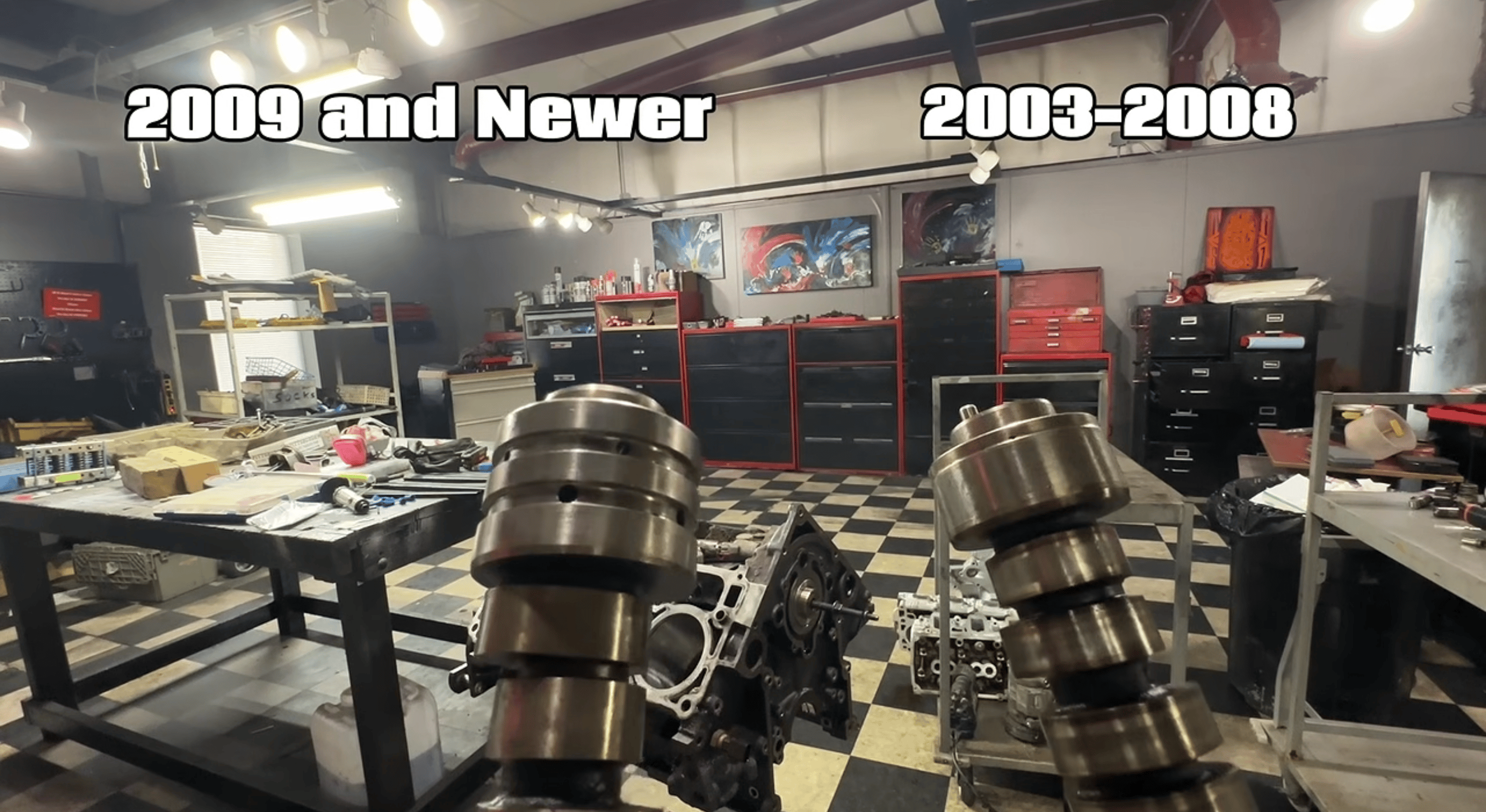
He then shows a later, 2009-and-up Hemi from the same perspective. In that engine, he says, the corresponding oiling opening is absent. Even with the lifter at its lowest position, the visual inspection is presented as showing no path for oil to enter in the same way.
Miller attributes the change to a revised cylinder-block design that allowed a longer camshaft snout. In his reading, that packaging change had an unintended lubrication consequence. The explanation is compelling because it connects a visible design distinction to the exact component that later fails, but it remains a hypothesis based on his inspection rather than a published manufacturer analysis.
Why the distinction matters for owners and repairers
Mechanical diagnoses often focus on the damaged part found during teardown. Miller’s theory instead asks why the roller and its bearings were unable to survive. If restricted oil access is a contributing factor, replacing worn lifters alone may not resolve the underlying vulnerability in every affected engine.
That is also why visual evidence has attracted attention. A borescope cannot by itself establish the full oil-pressure and oil-flow conditions inside a running engine, and the report notes that the view is limited. Still, it can help show whether a physical passage exists at a particular point in the lifter’s movement.
For drivers, the practical message is less about attempting a home diagnosis than about treating a persistent valvetrain tick seriously. Delaying inspection after a noise develops could allow roller-bearing damage and camshaft wear to advance. Repair decisions should be based on an assessment by a qualified technician, especially because the symptoms, causes and appropriate remedies can vary by engine configuration and condition.
A useful lead, not a final verdict
The report does not establish that every ticking 2009-and-later Hemi has the same cause, nor does it show that the proposed change is the only factor in lifter or camshaft failure. It does, however, turn a broad reputation for “Hemi tick” into a testable engineering question: whether the later block’s geometry deprives the lifter roller of oil during a critical part of its travel.
Further inspection by engine builders, component suppliers and manufacturers would be needed to confirm the mechanism and determine how widely it applies. For now, Miller’s work provides a detailed, visualized hypothesis for a problem that can carry high repair costs—and a reminder that a small oiling passage can have outsized consequences inside a high-mileage engine.
This article is based on reporting by The Drive. Read the original article.
Originally published on thedrive.com