A $350 engine-part test with a clear result
Low-cost replacement and performance parts can be tempting, especially when a listing appears to offer a familiar design at a fraction of established aftermarket prices. But a teardown and flow evaluation of Vortec-style Chevrolet small-block cylinder heads bought through Temu shows how a low purchase price can conceal substantial engineering compromises.
Eric Weingartner of Weingartner Racing, a company specializing in cylinder heads, examined a set of assembled Vortec-style heads that cost $350 including shipping. The evaluation found that the heads resembled the intended design at a glance but performed poorly in closer inspection and testing.
The most serious issue was not cosmetic. It was the form and function of the combustion chambers, ports, valves, seats and valvetrain clearances—features that directly affect airflow, combustion and the range of camshafts an engine builder can use.
What Vortec heads are meant to do
General Motors used the Vortec name for an engine-head design intended to promote a vortex in the combustion chamber. The idea is to improve ignition of the air-fuel mixture. On older small-block V8 engines, genuine Vortec heads or well-designed aftermarket versions have long been viewed as a relatively straightforward way to improve performance.
That reputation depends on the heads being designed and manufactured correctly. Cylinder heads are not simple covers for an engine block: their chamber shapes, port geometry, valve-seat work and spring setup all influence how efficiently the engine can move air and fuel, and therefore how it can make power.
The Temu parts were marketed in the visual language of that familiar upgrade path. The inspection suggests that their execution did not match it.

Chambers, ports and valves under scrutiny
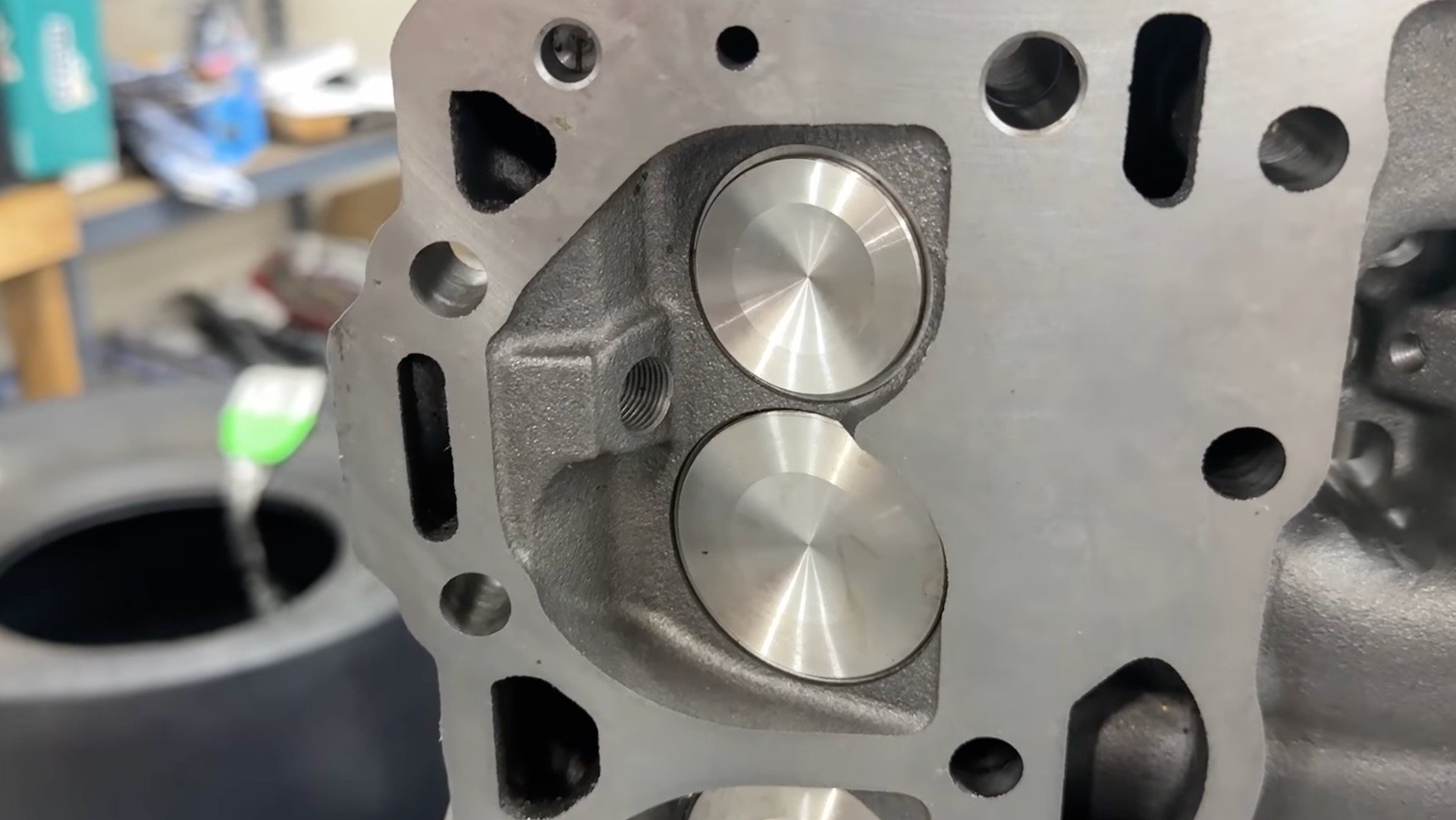
According to the examination, the intake and exhaust ports initially looked normal. The combustion chambers did not. Rather than the round chamber shape used in genuine Vortec heads and higher-quality aftermarket alternatives, the inspected heads had distorted chambers described as heart-shaped.
That change may reduce manufacturing difficulty and cost, but it is not a neutral substitution in a component where shape is central to combustion behavior. The test also found problems in the areas meant to guide and accelerate airflow.
Only the exhaust side passed a vacuum test. On the intake side, the valves lacked back cuts, a feature used to improve flow. The valve seats also had sharp angles that further reduced flow. The combined result was poor flow-test performance.
For an engine modification intended to improve breathing, those results go to the core of the product’s purpose. The report concluded that the heads performed so poorly that fitting them to a non-Vortec small block would probably not be worthwhile compared with retaining the stock heads.
Limits beyond airflow
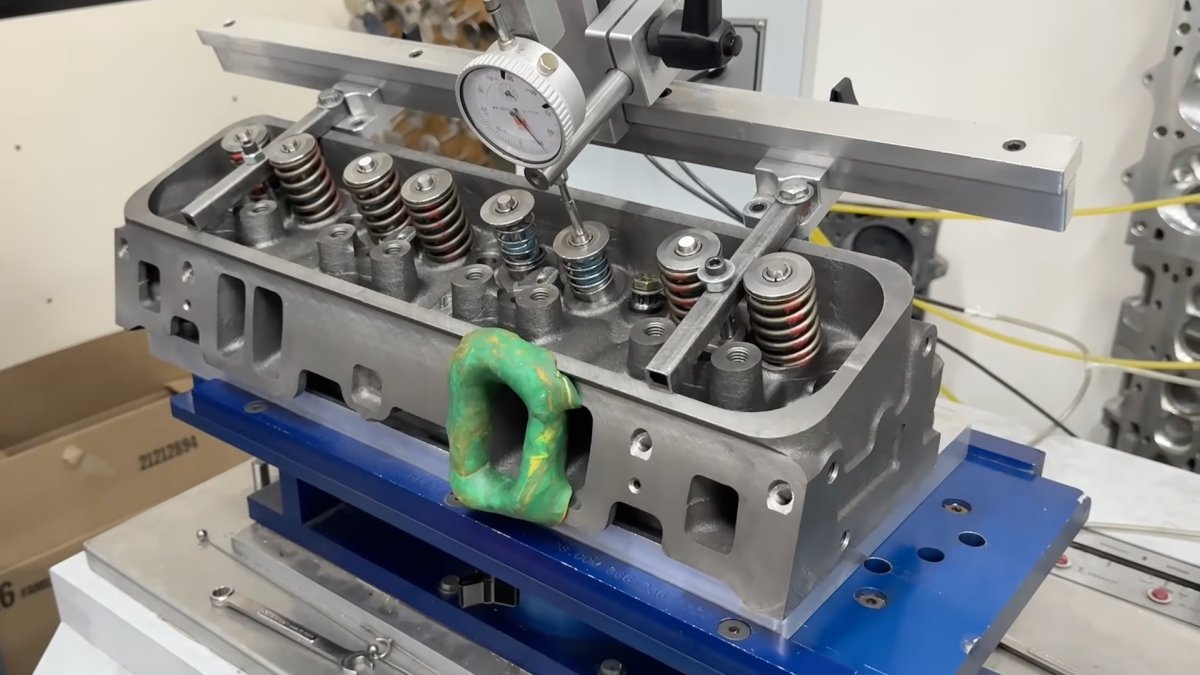
The assessment also identified limited retainer-to-seal clearance and weak valve springs. Those details affect which camshafts can be used safely and effectively. Even a buyer who accepts imperfect port work may encounter additional restrictions when trying to pair the heads with other performance parts.
That is a familiar problem in engine building: a component can look compatible from a distance while creating constraints elsewhere in the assembly. When valve springs and clearances do not support the intended camshaft setup, the apparent savings can disappear through additional parts, machining or an unusable combination.
In this case, the weaknesses were not presented as one isolated defect. They were a collection of design and manufacturing shortcomings that all pointed in the same direction: reduced airflow and reduced utility for a performance build.

The lesson for buyers
The $350 price is striking because the set was sold assembled and shipped. Weingartner noted that shipping alone would account for a meaningful share of that total because cylinder heads are heavy. That leaves little room in the remaining price for the material, machining, valves, springs, assembly and quality control expected in a reliable performance component.
Price by itself does not prove a part is unsafe or ineffective, and low-cost manufacturing is not inherently poor manufacturing. But this inspection demonstrates why engine parts require more scrutiny than appearance and listing claims. In a cylinder head, small deviations in chamber geometry, seat angles and valve preparation can have large effects on the result.
For builders considering a Vortec-style upgrade, the relevant comparison is not simply the purchase price. It is whether the component delivers the airflow and compatibility expected of the upgrade, and what it would cost to correct problems uncovered after purchase.
A broader warning about knockoff parts
The test is also a reminder that knockoff or loosely copied automotive parts can reproduce the outline of a known product without reproducing its engineering. The visual resemblance of the ports did not translate into satisfactory intake performance, and the heads’ Vortec-style identity did not translate into the expected benefits of the underlying design.
For an engine builder, the consequence is practical. A low-cost part that requires extensive correction—or produces worse results than an existing stock component—is not a bargain. The inspection of these Temu-sourced heads shows that the cheapest route to a familiar upgrade can instead become a detour away from it.
This article is based on reporting by The Drive. Read the original article.

Originally published on thedrive.com