A physical answer to a recurring infrastructure problem
Rhode Island has adopted a deliberately simple tactic to protect the copper wiring that powers streetlights: placing 700-pound concrete blocks over access covers. The state Department of Transportation says the approach is already working against a persistent cycle in which stolen wire must be replaced, only to be targeted again.
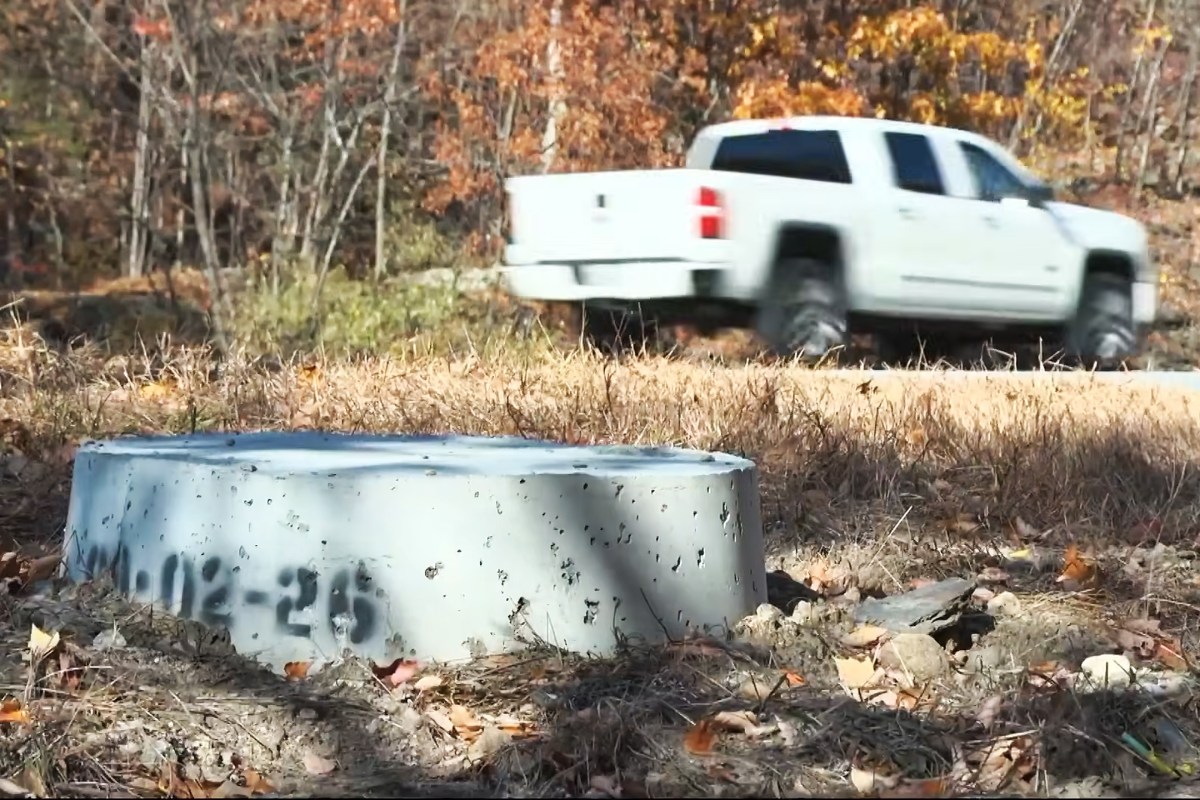
The blocks are intended to make access to manholes and related streetlight infrastructure far more difficult. Their weight means that moving them requires equipment, creating a substantial obstacle for thieves who would otherwise open an access cover and reach the cables below.
For the Rhode Island Department of Transportation, the measure responds to more than inconvenience. Interim Director Robert Rocchio said the state has lost more than $1 million to copper theft, although the reported account did not specify the timeframe for that total. The thefts began several years ago as copper prices rose significantly, according to Rocchio.
How the protection program works
The agency began placing the concrete blocks over manhole covers in recent months. Its plan calls for 151 installations, with 87 completed at the time of the report. The total program cost is $75,000.
Installation varies with the setting. On or near roads, the concrete is buried or ground down so it lies flat. In areas away from the roadway, the block can remain visibly elevated. The design is not subtle, but its purpose is practical: make the cover difficult enough to move that stealing the wire beneath it is no longer an easy operation.
The reported $75,000 figure is important because an initial television segment cited a cost ten times higher. The broadcaster later corrected its written report. Against the state’s reported losses from stolen copper, the program frames physical deterrence as a comparatively modest infrastructure-protection expense.

Why copper theft has wider consequences
Copper theft is not limited to Rhode Island. The metal’s value has made wire and cable a repeated target across transportation, telecommunications and community facilities. Removing cable can leave streetlights inoperable and force agencies or companies to pay for both replacement material and repair work.
The problem can extend beyond the immediate site of a theft. In Philadelphia, stolen wires reportedly left a youth football team practicing in the dark. In California, AT&T recorded 4,300 thefts of its own wire in the previous year, according to the account. The telecom company has run awareness efforts and offered rewards in multiple states for information connected to investigations.
Wire theft typically involves more than simply taking a cable. Scott Gonzaga of AT&T’s construction and engineering division described a process in which thieves cut cable, pull it to another location, strip it and burn off its outer sheath to reach bare copper before selling or recycling the metal. That process can create safety hazards in addition to the service disruptions caused by missing infrastructure.
Low-tech measures can change the economics of theft
Rhode Island’s blocks do not remove the market incentive for copper theft. They instead increase the effort, visibility and equipment needed to reach a vulnerable point in the streetlight system. That is a different kind of solution from surveillance, patrols or tracing material after it has been taken.
The idea is straightforward: access covers are an entry point, so securing the covers can prevent the theft before cables are exposed. A 700-pound barrier is not an advanced system, but it shifts the task from something that can be attempted with relatively portable tools to one requiring machinery and time.
The approach also illustrates how infrastructure operators can focus on the points where a broader criminal problem meets a specific asset. Copper theft may be national in scale, but a state transportation agency controls its own access covers, roadways and maintenance practices. Those are levers it can change directly.

What comes next
With 87 of 151 planned installations completed, Rhode Island has more blocks to place. Rocchio said the tactic has worked so far. Whether the approach remains effective over a longer period will depend on the durability of the installations and whether thieves attempt to adapt.
For now, the program offers a compact case study in infrastructure resilience. Rather than relying on a complex new technology, the state is using mass, placement and limited access to protect a valuable component of its streetlight network. The goal is not to make copper less valuable; it is to make the wire beneath Rhode Island’s streets much harder to reach.
Key points
- Rhode Island is placing 700-pound concrete blocks over streetlight access covers.
- The state plans 151 installations and had completed 87.
- The program costs $75,000, while the state reports more than $1 million in copper theft losses.
- The tactic is meant to raise the equipment and effort required to reach underground wiring.
This article is based on reporting by The Drive. Read the original article.
Originally published on thedrive.com