A high-power hybrid tractor enters the spotlight
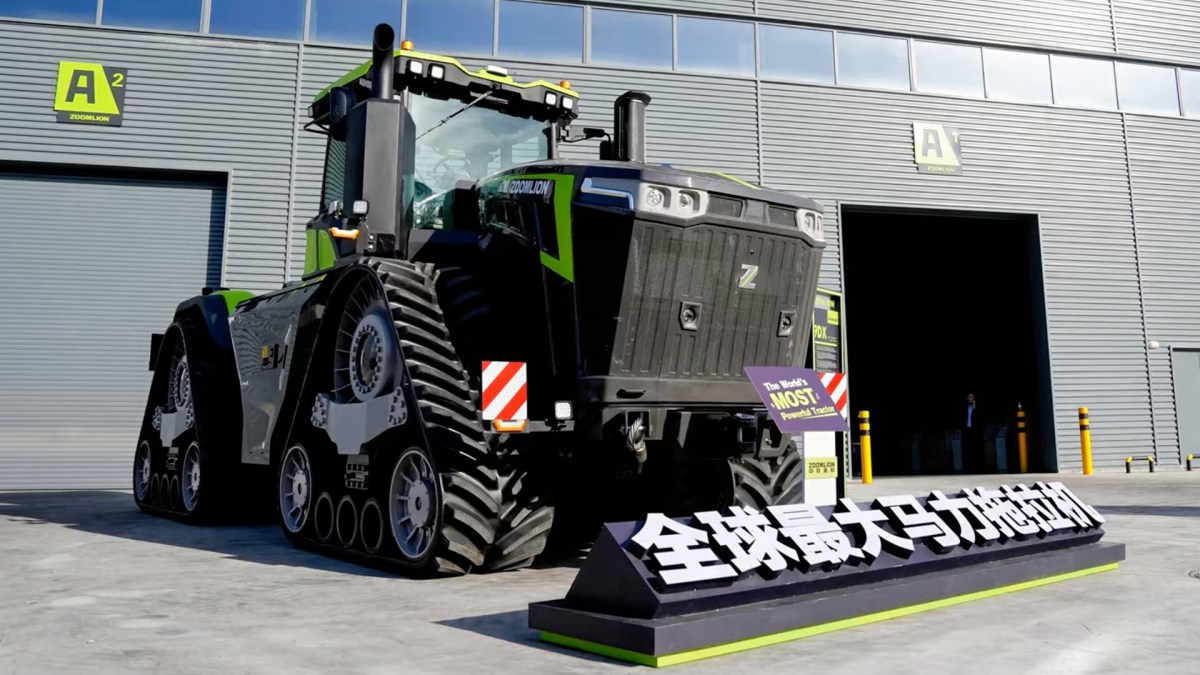
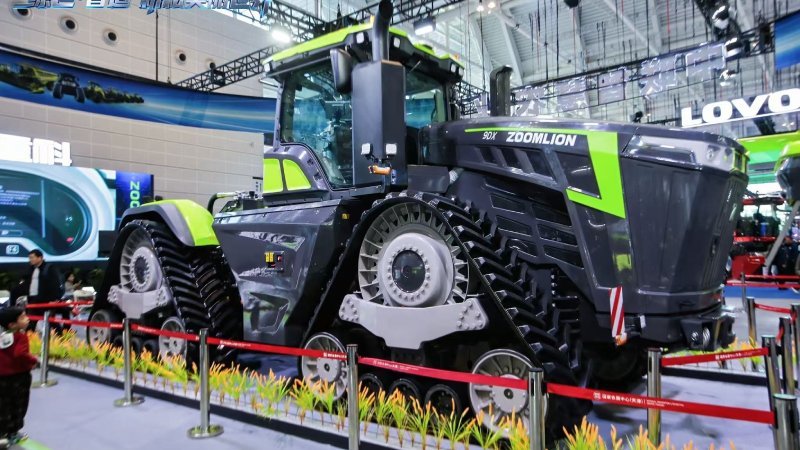
Chinese machinery manufacturer Zoomlion has displayed a new hybrid agricultural tractor that it calls the world’s most powerful: the 9DX. The machine combines a large diesel engine with an 800-volt hybrid-electric powertrain and is claimed to produce 1,600 horsepower and about 5,300 pound-feet of torque.
The tractor was shown at the 2026 China International Agricultural Machinery Exhibition. The stated output places it far above the horsepower figures commonly associated with the largest production tractors, although the claim has not been independently verified in the source material.
Zoomlion has released only limited technical detail, making the 9DX as much a signal of direction as a fully documented product announcement. The company did not identify the engine used, specify the battery-pack size or explain how the diesel and electric portions of the system divide work across different operating conditions.
What is known about the 9DX
The available specifications point toward a tractor intended for the biggest implements and the highest-demand agricultural work. Zoomlion says the 9DX can travel at nearly 25 mph on varied terrain and operate on slopes of up to 12 degrees.
Its hydraulic capacity is rated at 168 gallons per minute. Hydraulic flow is a practical measure for tractors because many large implements—including seeders and fertilizer equipment—depend on a machine’s hydraulic system for operation. The reported figure matches the capacity cited for John Deere’s range-topping 9RX 830.
Zoomlion also says the tractor has an independently suspended cab and 30-inch-wide tracks. Wide tracks are intended to improve traction and distribute the vehicle’s weight across a larger surface. A suspended cab is aimed at improving operator comfort when a tractor is working over uneven ground.
The stated 800-volt architecture is notable because high-voltage electrical systems are becoming more common in heavy-duty hybrid and electric vehicles. In principle, higher voltage can move substantial amounts of power with lower current than a lower-voltage system. But without battery, motor and operating data, it is not yet possible to assess the tractor’s electric range, fuel use, power-delivery strategy or service requirements.
Why agricultural machinery is moving toward electrification
Agricultural equipment faces a different challenge from passenger vehicles. Large tractors must work for long periods under heavy loads, often far from convenient charging infrastructure. Diesel engines remain well suited to that duty cycle because they carry dense energy in a relatively compact fuel supply and can be refueled quickly.
Hybrid systems may offer manufacturers a way to add electrical capability without requiring an all-electric tractor to carry an extremely large battery. Depending on their design, electric components could provide short bursts of torque, support hydraulic or auxiliary systems, recover energy in selected conditions or help manage engine loads more efficiently. Zoomlion has not detailed which of those functions the 9DX uses.
The 9DX therefore illustrates a wider industrial trend rather than proving a settled solution. Equipment makers are experimenting with hybrid architectures in sectors where full battery electrification is especially demanding. The value of those systems will ultimately depend on reliability, total operating cost, maintenance needs and whether they offer a clear benefit in real farming conditions.
A claim that needs more technical context
The 1,600-horsepower figure is supplied by Zoomlion, and the source notes that the manufacturer has not published many specifics about the powertrain. That leaves several important questions unanswered. It is unclear whether the stated output is continuous or peak power, how much comes from the diesel engine versus electric machines, and how the figure was measured.
Those details matter in agricultural machinery, where horsepower alone does not determine usefulness. Drawbar performance, hydraulic capability, traction, cooling, implement compatibility, fuel consumption and uptime can be equally important to a farm operation. A tractor designed for very large implements must also be supported by parts, training and dealer service.
Zoomlion already sells some equipment in the United States, including forklifts and scissor lifts, according to the report. But the 9DX’s potential availability outside China remains uncertain. The source raises potential barriers to adoption in the US, including tariffs on Chinese agricultural machinery, the lack of an established dealer network for such a specialized product and concerns about maintaining a complex hybrid system.
What the debut signals
Even with those uncertainties, the 9DX is a striking statement about the technological ambitions of Chinese agricultural-equipment makers. The machine’s claimed output, hybrid design and large hydraulic capacity are directed at the upper end of mechanized farming, where productivity gains are often tied to operating ever-larger implements.
Whether Zoomlion brings the model into regular production, publishes more complete specifications or sells it widely outside China will determine its practical importance. For now, the tractor is best understood as a high-power concept presented with manufacturer claims, not as a fully evaluated competitor in every market.
Its appearance nevertheless underscores how electrification is reaching equipment categories that are difficult to decarbonize and difficult to redesign. In heavy agriculture, the road will likely include hybrids alongside diesel for some time. The Zoomlion 9DX suggests that manufacturers are testing how far that combination can be pushed.
This article is based on reporting by The Drive. Read the original article.
Originally published on thedrive.com