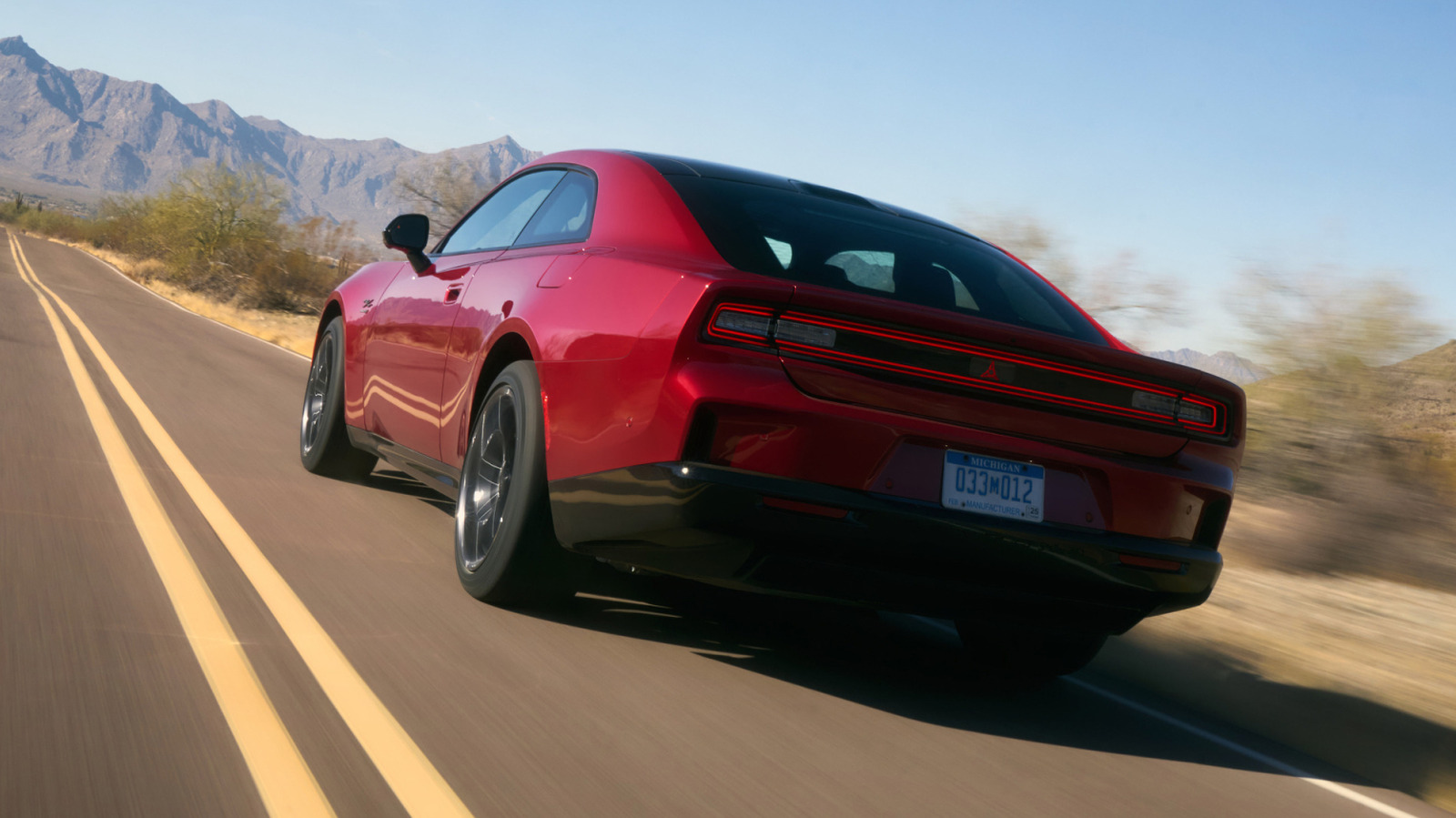
If you've ever leaned forward at an intersection trying to see around the column of metal and plastic framing your windshield, you're not imagining the problem. Those columns — known as A-pillars — have swollen noticeably over the past couple of decades, and the reasons have as much to do with crash regulations and vehicle weight as they do with styling.
An A-pillar is the structural support on either side of the front windshield. On vehicles built in earlier eras, they were relatively slender, which made outward visibility generous. Today, online forums are full of owners of cars ranging from the Chevy Bolt to the Tesla Model Y trading stories about blind spots and near misses they attribute directly to those supports.
The Rollover Rule That Made A-Pillars Grow
The single biggest driver of the change arrived around 2009, when NHTSA issued a mandate covering roof strength. The rule, which was phased in beginning in late 2012 and ran through 2017, required a vehicle's roof to withstand three times its own weight.
That requirement mirrored an evaluation the Insurance Institute for Highway Safety had begun in 2009 — a stricter roof-strength test that the organization eventually discontinued in 2022. The reason for the retirement was, in a sense, a success story: nearly every modern vehicle was earning a good rating, meaning it could withstand a force of at least four times its own weight before a testing plate pressed a five-inch dent-hole into the roof.
Good ratings across the board sound like unqualified good news. But the structures needed to pass those tests have to go somewhere, and the A-pillar is one of the primary places where roof strength gets built.
Why Thicker Pillars Are an Engineering Necessity
Brian Latouf, former director of structure integration and body systems computer-aided engineering at General Motors, explained the constraint bluntly in comments to Wards Auto. As he put it, space inside the pillar is tight, and a certain cross-sectional area is required for the structure to remain stable under higher loads.
In other words, you cannot simply slim the pillar down without giving up the load-bearing capacity that the roof standard demands. The geometry is doing double duty: it resists the forces of a rollover while also forming the frame that surrounds the glass.
An A-Pillar Is No Longer Just a Pillar
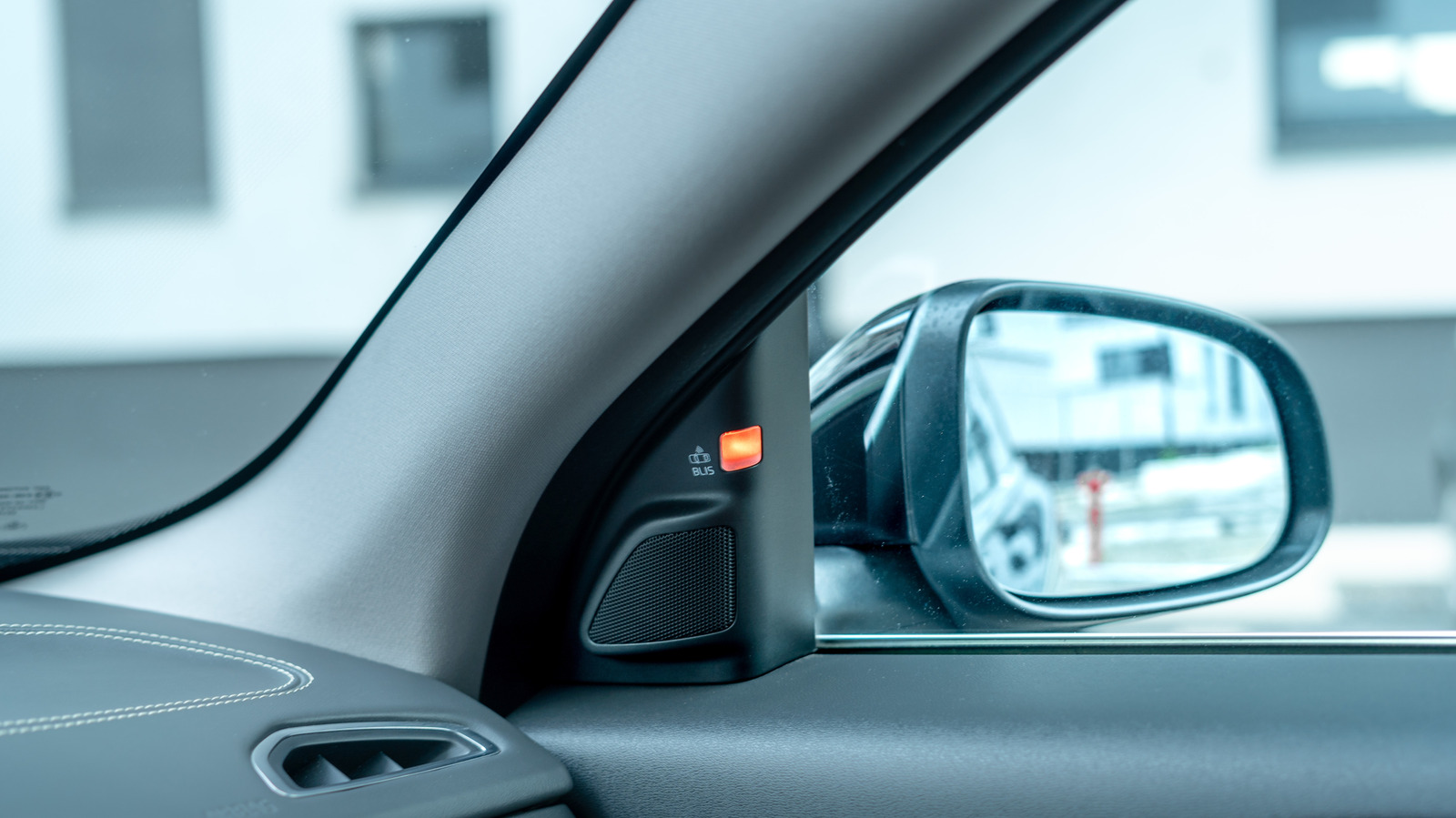
Structural demands are only part of the story. The A-pillar has quietly become a housing for equipment that didn't exist — or wasn't required — on older vehicles. Among the components now commonly built into or attached to it:
- Side-curtain airbags that deploy downward to protect occupants' heads
- Speakers for the audio system
- Bundles of wiring routed up toward the roof
- Grab handles on certain trucks and SUVs
On top of all that, federal head-impact standards require the pillar to be soft enough to reduce injury if an occupant's head strikes it in a crash. That means padding and trim pieces get layered on, adding further bulk to a structure that was already growing for structural reasons.

Vehicle Weight Multiplies the Problem
The roof standard is expressed as a multiple of a vehicle's own weight, which means heavier vehicles must build correspondingly stronger — and typically larger — structures. Passenger vehicles have been getting heavier for years, and electric vehicles sit at the extreme end of that trend.
Consider the GMC Sierra EV, which approaches 9,000 pounds, or the hulking Hummer EV. A roof that must survive three times those figures, and comfortably exceed four times them for a top rating, is not going to be held up by a pencil-thin column.
How the Blind Spot Actually Manifests
The visibility penalty shows up most dramatically in turning situations. Depending on the vehicle and the angle of the pillar relative to the driver's line of sight, it is entirely possible to lose track of a cyclist or a pedestrian — particularly during a left turn, when the driver-side pillar sweeps across the field of view.
The hazard isn't limited to the driver's side, either. The passenger-side pillar can obscure objects just as effectively, and the geometry shifts with seat position, mirror settings and how sharply the car is turning. The result is an intermittent, hard-to-predict blind spot rather than a fixed one a driver can simply learn to look past.
That unpredictability is what makes the complaints persistent. A driver can check an intersection, see nothing, begin a turn, and find that a person or cyclist was hidden behind the pillar the entire time. Reddit users, including one poster describing a close call, have recounted precisely this kind of encounter.
Driver-Assist Systems Aren't a Complete Fix
Many modern cars attempt to compensate with blind-spot monitoring and pedestrian detection. These systems help, but they are not infallible. Detection can be inconsistent depending on lighting, weather, sensor coverage and the specific geometry of the hazard. When an electronic aid fails to register an object that a physical pillar is already hiding, the driver is left without a second line of defense.
That's a meaningful gap, because the A-pillar blind spot occupies exactly the region where a pedestrian stepping off a curb or a cyclist riding alongside would appear.
A Tradeoff With No Clean Answer
There's no simple villain here. The thicker A-pillar exists because rollover protection and head-impact standards save lives, and because the vehicles people buy have grown heavier and more feature-laden. Loosening roof requirements to restore visibility would simply trade one safety risk for another.
What's left is a design problem engineers are still working through, and one that drivers negotiate every time they pull up to a busy intersection. The next time you find yourself craning your neck around the frame of your windshield, you're experiencing the visible edge of a regulatory and engineering compromise — one that has made cars safer in crashes and, in some situations, harder to see out of.
This article is based on reporting by Jalopnik. Read the original article.
Originally published on jalopnik.com