Omoda and Jaecoo Set Their Sights on Canada
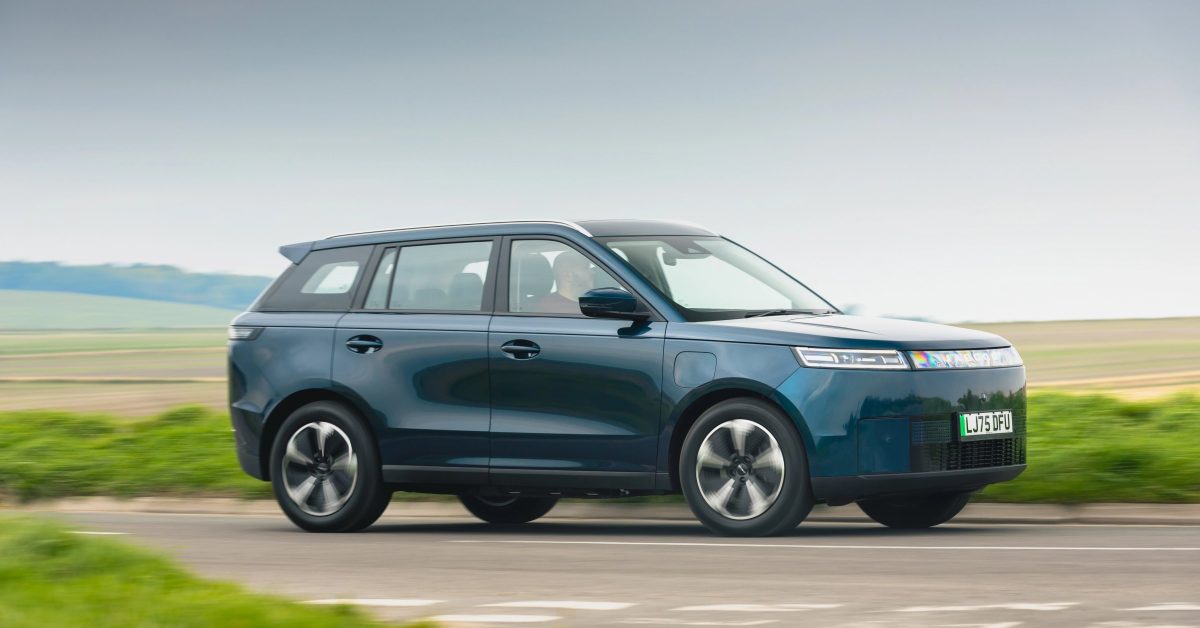
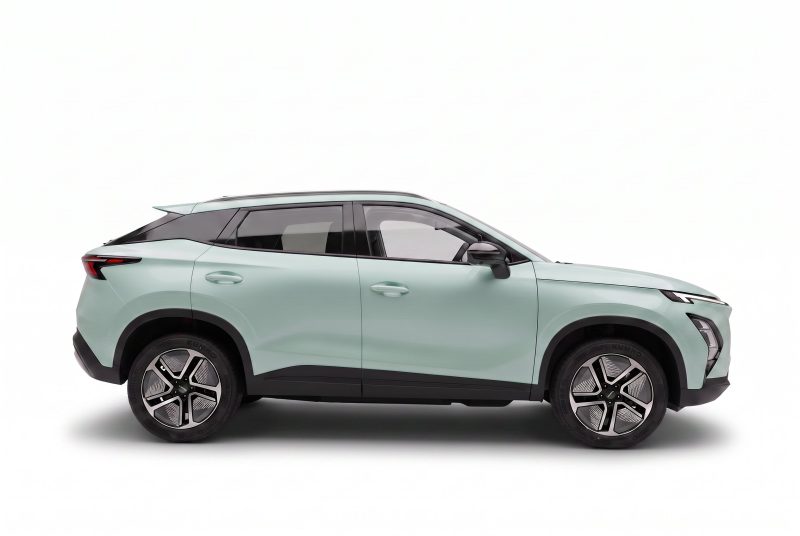
Chery's Omoda and Jaecoo brands have taken a formal step toward selling vehicles in Canada. A Canadian website for the two marques has gone live, and it confirms that their premium electric SUVs are scheduled to arrive in the country in late 2026. The page marks the first concrete public signal from either brand about a Canadian timeline, attaching a specific window to a market entry that had previously been the subject of speculation rather than confirmation.
What the launch page does not do is answer the questions that matter most to buyers, retailers, and competitors. There is no model list, no pricing framework, and no information about how or where the vehicles will actually be sold. According to Electrek, the site names no single model, price, or dealer, a remarkably thin set of details for a market entry with a stated arrival window that is now less than a year away.
Confirmation Built on a Single Detail
Stripped to its essentials, the announcement amounts to three claims: Omoda is coming to Canada, Jaecoo is coming to Canada, and both will arrive in late 2026 with electric SUVs positioned as premium products. Everything else remains undisclosed, including trims, battery sizes, range estimates, charging performance, warranty terms, finance offers, and retail partners.
That combination, a firm date paired with an empty product page, is worth reading carefully. It tells observers that the corporate decision to enter Canada has been made, but that the market-facing execution, the part customers actually experience, has not yet been finalized or at least not yet publicized.
The Missing Pieces Carry the Most Weight
For anyone trying to plan a purchase, a lease, or a business relationship around these two brands, the gaps define the story more than the confirmation does. Each missing element maps to a different stage of readiness:
- Models: Without a named vehicle, shoppers cannot compare size, seating, or body style against anything already on the road, and journalists cannot verify specifications independently.
- Pricing: A premium positioning claim is meaningless to a household budget until a number exists. Canada's federal and provincial electric vehicle incentives also depend on price thresholds, so the absence of pricing leaves incentive eligibility entirely unknown.
- Dealers and service: Electric vehicles still require physical infrastructure, including delivery, diagnostics, and parts. A brand with no announced retail network has not yet explained how owners would get their cars serviced.
- Charging and support: Nothing published so far describes charging arrangements, home installation offers, or public network partnerships.
- Certification and compliance: Selling in Canada requires meeting national safety and emissions standards. No regulatory milestones have been announced alongside the website.
Late 2026 Is Closer Than It Sounds
A late-2026 target sounds generous when read from a distance, but automotive timelines are long. Bringing a new brand to a new country typically requires vehicle homologation, logistics planning, parts supply, technician training, warranty administration, and some form of retail footprint. If a launch is genuinely intended for the final months of 2026, the groundwork behind those items would ordinarily be well advanced by now, even if the public-facing material remains sparse.
That mismatch between a defined date and an undefined product leaves two plausible readings. One is that Omoda and Jaecoo are pacing their disclosures deliberately, releasing the brand-level message first and saving models, pricing, and dealer news for staged announcements closer to the launch. The other is that the Canadian timeline is aspirational and could shift. The published material does not settle which is true.
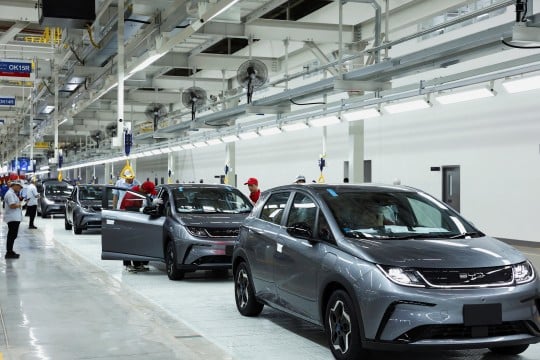
What the Premium Positioning Implies
The brands describe their planned Canadian products as premium electric SUVs. That framing places them in a crowded and demanding part of the market rather than at the entry level, and it raises the bar on what buyers will expect once details arrive. Premium positioning generally implies a higher price band, which in turn means the vehicles would be judged on interior quality, software, driving refinement, and ownership experience, not simply on being electric.
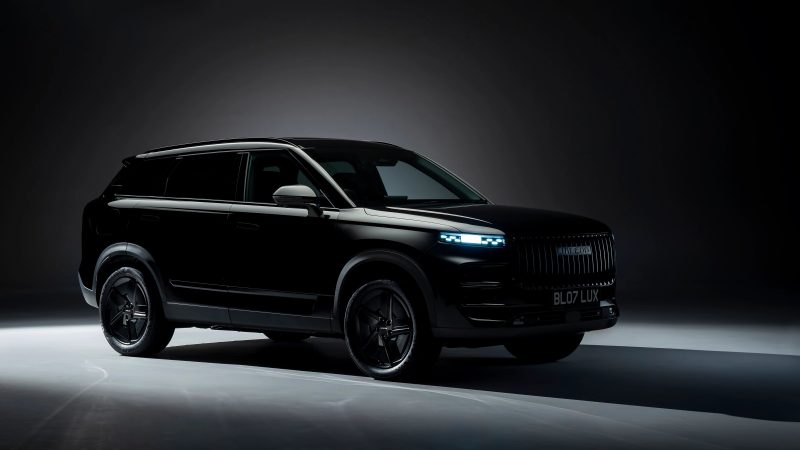
It also means the two brands would be competing for attention against established premium electric crossovers already familiar to Canadian shoppers, alongside electric offerings from mass-market manufacturers. Announcing a premium intent without a price or a model is therefore the easiest part of the plan to state publicly and the hardest part to deliver.
A Website First, and What That Usually Means
Launching a country-specific website before naming products is a common first move for expanding automakers. A site establishes a brand presence, creates a place to capture consumer interest, and gives the company a legitimate public answer when asked whether it plans to sell in a given market. It is also inexpensive relative to the cost of importing and distributing vehicles.
The practical effect is that the site converts an abstract expansion story into a localized one, while leaving the company free to adjust its product plan. For Canadian readers, the useful takeaway is that the landing page establishes intent and a date, not a commitment to any particular vehicle.
Questions to Track Before the Launch Window
Until more information is published, the most useful way to follow this story is through the items that would have to appear for a late-2026 launch to be credible:
- Whether a first model is named and given Canadian specifications.
- Whether pricing is announced, and whether it lands inside or outside incentive thresholds.
- Whether a dealer, distributor, or direct-sales structure is disclosed.
- Whether service and parts arrangements are described for Canadian owners.
- Whether the 2026 timing holds, slips, or is quietly replaced by a later date.
The Bottom Line
Omoda and Jaecoo have moved from rumor to stated intent for the Canadian market, confirming through a new domestic website that premium electric SUVs will arrive in late 2026. That is a meaningful milestone for Chery's two brands. It is not yet a lineup, a price list, or a retail plan. The announcement opens a window and a clock at the same time, and the details that follow over the coming months will determine whether the window is realistic.
This article is based on reporting by Electrek. Read the original article.
Originally published on electrek.co