Introduction: Staying Mobile and Safe
As we age, driving can become more challenging due to decreased mobility, vision, and reaction time. However, giving up the keys isn't the only option. A wide range of car modifications can help older adults continue driving safely and comfortably. From simple seat cushions to advanced camera systems, these adaptations can make a significant difference. This article explores five key areas of car modifications that can improve the driving experience for seniors, based on insights from AAA, the Insurance Institute for Highway Safety (IIHS), and other experts.
1. Enhanced Seating Comfort and Support
One of the most common modifications for older drivers is improving seat comfort. According to the AAA, 44.8% of aftermarket adaptations by older drivers include seat cushions. These cushions provide extra padding and support, reducing pressure on the back and hips. Upper body support and modified armrests are also popular, helping to reduce fatigue on long drives.
Properly adjusted seats can improve posture and visibility, which are crucial for safe driving. However, it's important to note that aftermarket seat cushions can compromise crash safety if they interfere with seat belts or airbags. The AAA advises consulting an occupational therapy-driver rehabilitation specialist (OT-DRS) before installing any aftermarket products. These specialists can recommend safe options and ensure proper installation.
2. Easier Entry and Exit
Getting in and out of a car can be physically demanding for older adults, especially those with joint pain or limited mobility. Support bars and swivel seats are excellent solutions. Support bars provide a sturdy handhold to help with balance, while swivel seats rotate 90 degrees to allow the driver to sit down and then turn into the car, reducing strain on the knees and hips.
These modifications can make a world of difference, allowing seniors to maintain their independence without struggling. They are relatively easy to install and can be found for most vehicle models. For those using wheelchairs or scooters, hoists and lifts can also be installed to transfer the user into the driver's seat safely.
3. Improved Visibility and Reduced Glare
Vision changes with age, making night driving particularly challenging. Glare from oncoming headlights can be blinding, and reduced contrast sensitivity makes it harder to see pedestrians and road signs. Fortunately, several modifications can help. Anti-glare films can be applied to windows and mirrors to reduce harsh reflections. Specialized night-driving glasses with yellow-tinted lenses can also enhance contrast and reduce glare.
Larger mirrors, including panoramic rearview mirrors and convex side mirrors, expand the field of view, reducing blind spots. The IIHS notes that blind spots have been growing due to thicker pillars and sleeker designs, so these upgrades are increasingly important. Additionally, aftermarket camera systems can provide a 360-degree view, making parking and lane changes safer.

4. Adaptive Controls and Reach Extenders
As flexibility decreases, reaching for controls like the radio, climate, or wipers can become difficult. Adaptive controls can bring these functions within easy reach. Steering wheel-mounted controls, for example, allow drivers to operate audio and phone without taking their hands off the wheel. Extending levers for turn signals and wipers can also reduce strain.
For those with limited hand strength, knob aids on the steering wheel can make turning easier. Pedal extensions are another useful modification for shorter drivers, ensuring they can comfortably reach the pedals without stretching. These adaptations help maintain focus on the road and reduce distractions.
5. Safety and Alert Systems
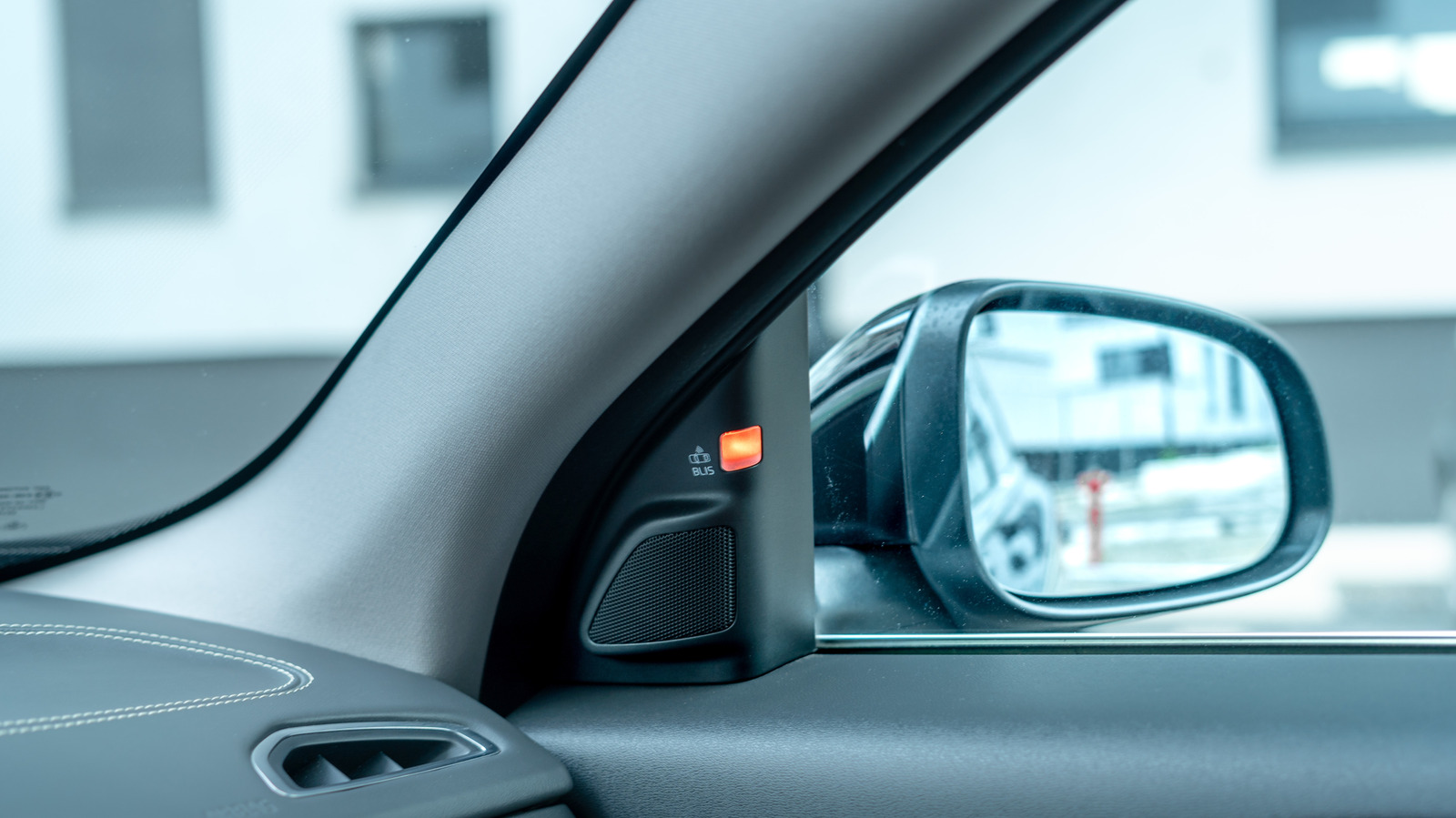
Modern safety technologies can be added to older vehicles to compensate for decreased reaction times. Blind-spot monitoring systems use sensors to alert drivers to vehicles in their blind spots. Forward-collision warnings and automatic emergency braking can prevent accidents if the driver fails to react in time. These systems are available as aftermarket kits and can be installed by professionals.
Additionally, backup cameras are now standard in many new cars, but older models can be retrofitted. These cameras provide a clear view of what's behind the vehicle, reducing the risk of backing into obstacles or pedestrians. Some systems even include guidelines to help with parking.

Consulting the Experts
Before making any modifications, it's crucial to consult with an occupational therapy-driver rehabilitation specialist (OT-DRS). These professionals can assess an individual's specific needs and recommend appropriate modifications. They can also ensure that any changes do not interfere with the vehicle's safety systems. The AAA emphasizes that some aftermarket products can alter the effectiveness of seat belts, airbags, or other safety features, so professional guidance is essential.
Additionally, it's wise to have modifications installed by certified technicians who are familiar with vehicle safety standards. Proper installation is key to ensuring that the modifications function as intended and do not introduce new risks.
Conclusion: Driving into the Golden Years
Age doesn't have to mean the end of driving. With the right modifications, older adults can continue to drive safely and comfortably, maintaining their independence and quality of life. From seat cushions to advanced safety systems, there are solutions for every challenge. By consulting experts and choosing quality products, seniors can enjoy the freedom of the road for years to come.
This article is based on reporting by Jalopnik. Read the original article.
Originally published on jalopnik.com