A Century-Old EV, Reborn
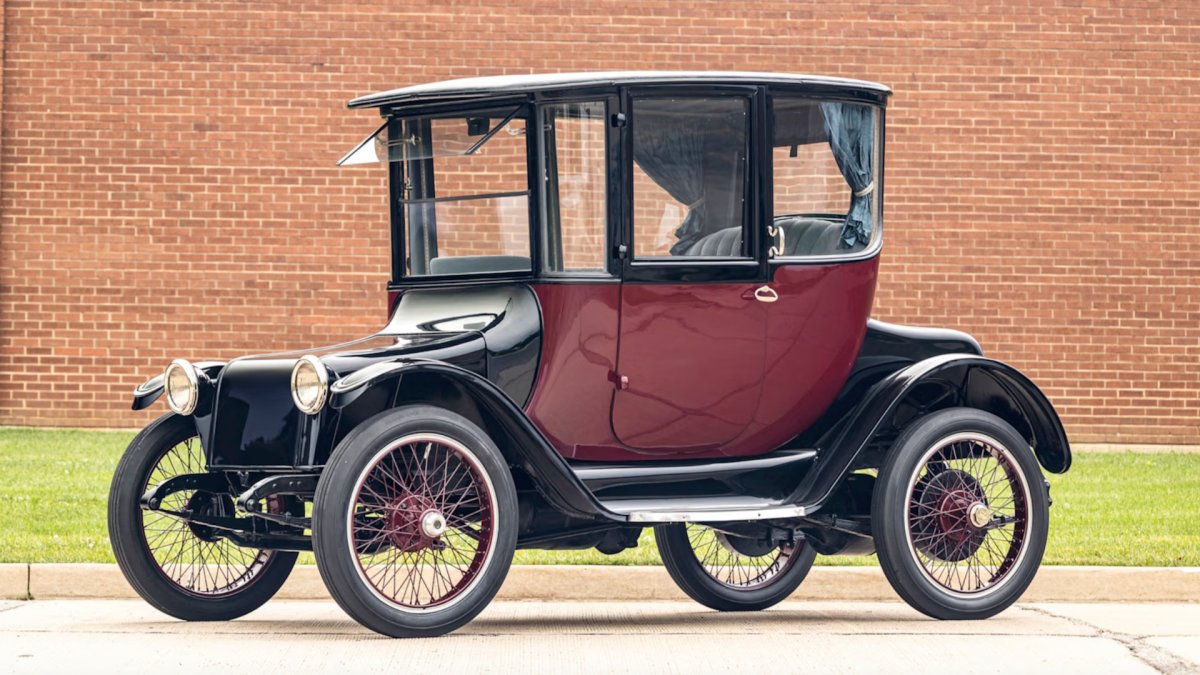
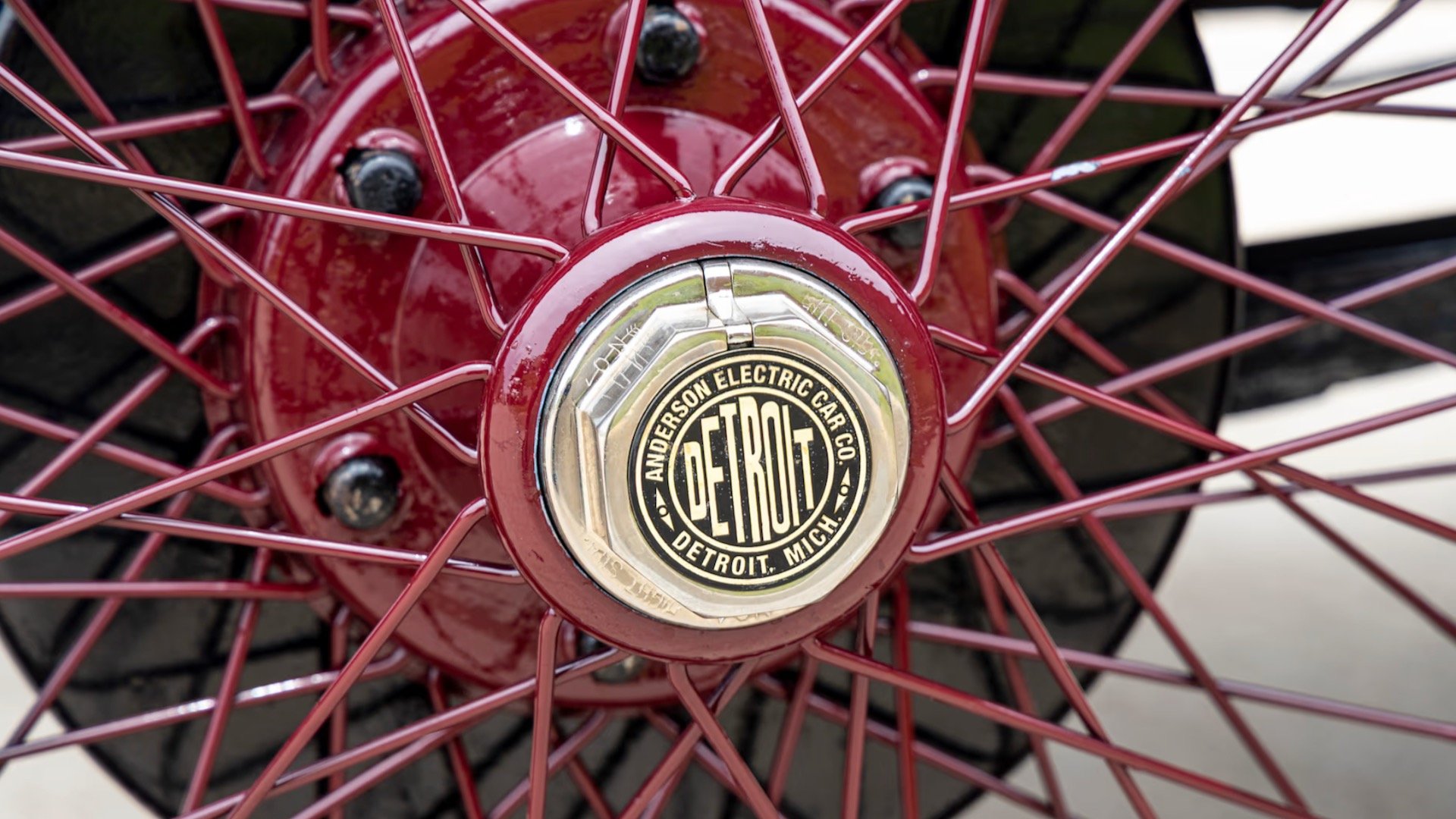
Electric vehicles are often seen as a modern innovation, but they've been around almost as long as the automobile itself. While the internal combustion engine has dominated for over a century, early EVs offered a quiet, clean, and simple alternative. However, one major challenge has always been the batteries. Unlike an engine that can be rebuilt, original battery packs from a century ago are long gone, leaving many vintage EVs as static museum pieces. But one owner of a 1918 Detroit Electric Model 75B Brougham coupe has found a way to bring this piece of history back to life: by installing modern batteries as part of a full restoration.
This remarkable vehicle is now set to cross the auction block at Mecum's 2026 Monterey Car Week, offering a unique opportunity for collectors and enthusiasts alike. The listing describes the restoration as done to "concours standards," though the use of modern components might raise eyebrows among purists. But for those who value functionality over originality, this Detroit Electric is a testament to the enduring appeal of early EV technology.
The Detroit Electric Legacy
The company that would become Detroit Electric was founded in Detroit in 1884 as the Anderson Carriage Company. Recognizing the shifting tides of transportation, the owners introduced their first electric car in 1907. In an era when environmental concerns were hardly mainstream, electric cars were marketed as quieter and simpler to operate than their gasoline counterparts. With few gas stations and a lack of infrastructure, range anxiety was a real concern for early motorists, regardless of their vehicle's power source. Additionally, the smell of gasoline, the physical effort of hand cranks, and the messy manual lubrication required by internal combustion engines made them intimidating to many potential drivers.
Detroit Electric capitalized on these advantages, positioning their cars as the sophisticated choice for urban dwellers. The brand quickly gained a reputation for reliability and ease of use, appealing to a demographic that valued convenience over raw power. This 1918 Model 75B Brougham is a prime example of that philosophy, with its elegant design and luxurious appointments.
Modern Batteries, Vintage Soul
The most intriguing aspect of this restoration is the installation of modern batteries. While the listing does not specify the exact type, it's likely that the owner sourced them from scrapped EVs or hybrids, or perhaps from companies that specialize in EV conversions of vintage cars. A notable example is Jay Leno's 1914 Detroit Electric, which is being repowered with Nissan Leaf battery modules. This trend highlights a growing interest in preserving the functionality of early EVs while leveraging modern technology to overcome their biggest weakness.
The impact on range and performance remains unclear. When new, the 75B boasted a range of approximately 80 miles and a top speed of about 20 mph. With modern batteries, it's possible that these figures could be improved, though the electric motor and drivetrain remain original, so performance gains might be modest. Still, the ability to actually drive a 1918 EV is a remarkable achievement, and it's a testament to the ingenuity of restorers who refuse to let history gather dust.
Design and Comfort: A Living Room on Wheels
The Detroit Electric was heavily marketed toward women, a strategic move that reflected the social norms of the time. Misogynist stereotypes may have influenced some design features, but they also resulted in a uniquely comfortable and elegant interior. The driver sits facing the passengers and steers with a tiller, making the cabin feel more like a living room than a car. This layout was intended to appeal to wealthy women who were accustomed to being chauffeured, but it also provided a social space that was rare in early automobiles.
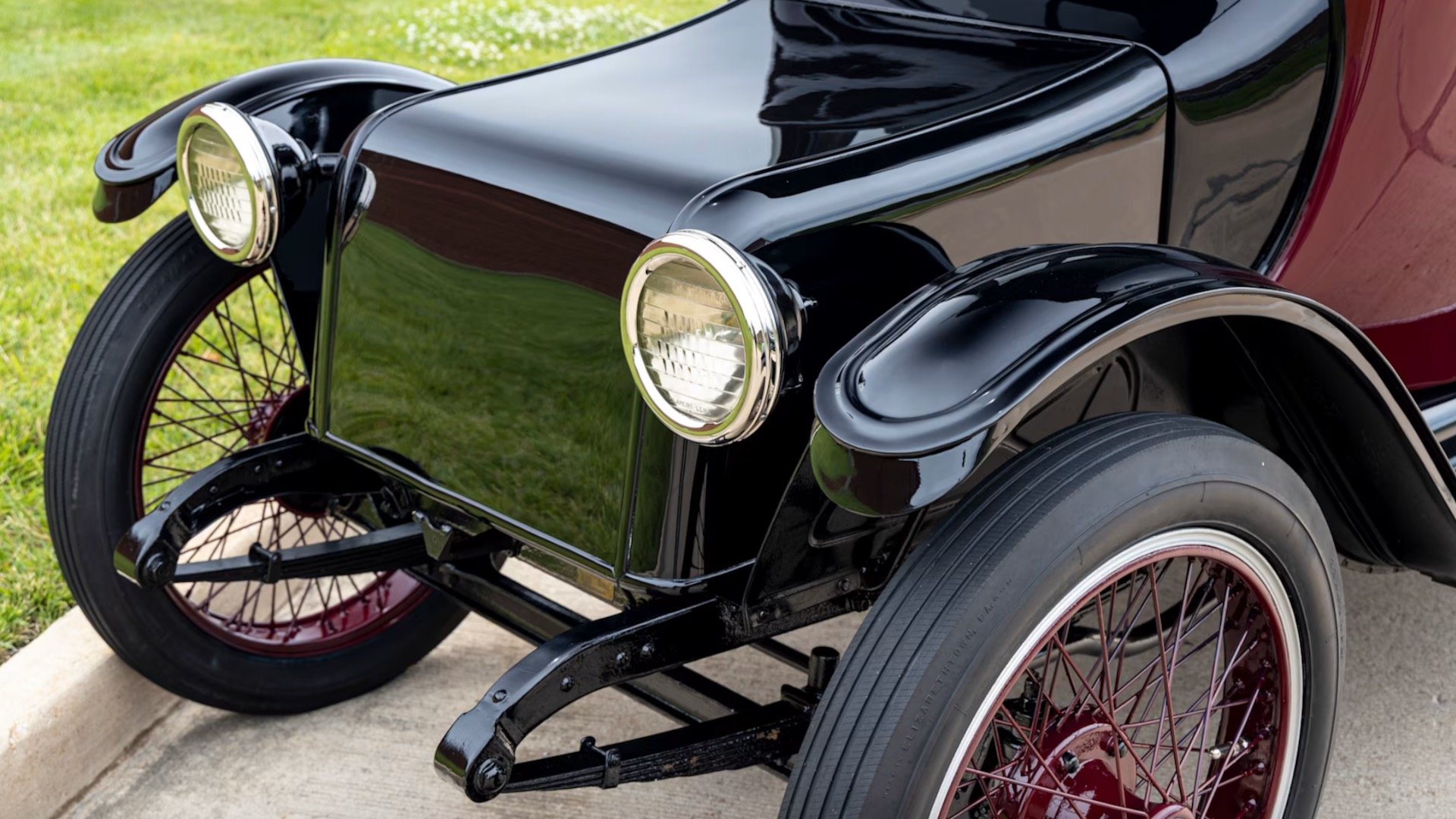
The 1918 Model 75B Brougham takes this concept to the next level with its luxurious appointments. The restoration has been carried out to the highest standards, ensuring that every detail, from the upholstery to the wood trim, reflects the car's original grandeur. Interestingly, the car even features an original flower vase, a detail that predates the famous VW New Beetle by decades. It's these small touches that make the Detroit Electric a true piece of automotive art.
Auction Prospects and Collector Interest
Mecum's Monterey Car Week auction is one of the most anticipated events in the collector car world, and this Detroit Electric is sure to attract significant attention. While concours judges might balk at the modern batteries, many collectors will appreciate the car's drivability and the story behind its restoration. The juxtaposition of century-old craftsmanship with cutting-edge battery technology is a compelling narrative that resonates with both history buffs and tech enthusiasts.
As the world shifts toward electric mobility, vintage EVs like this one offer a unique perspective on the past and a glimpse into the future. They remind us that the challenges we face today—range anxiety, charging infrastructure, and the transition away from fossil fuels—are not new. The 1918 Detroit Electric is a testament to human ingenuity and the enduring appeal of electric propulsion.
Whether it's the historical significance, the innovative restoration, or simply the charm of a bygone era, this car is sure to be a highlight of the auction. For those who miss out on the bidding, it remains a fascinating example of how modern technology can breathe new life into the classics.
This article is based on reporting by The Drive. Read the original article.
Originally published on thedrive.com