A Quirky Traffic Light with a Serious Mission
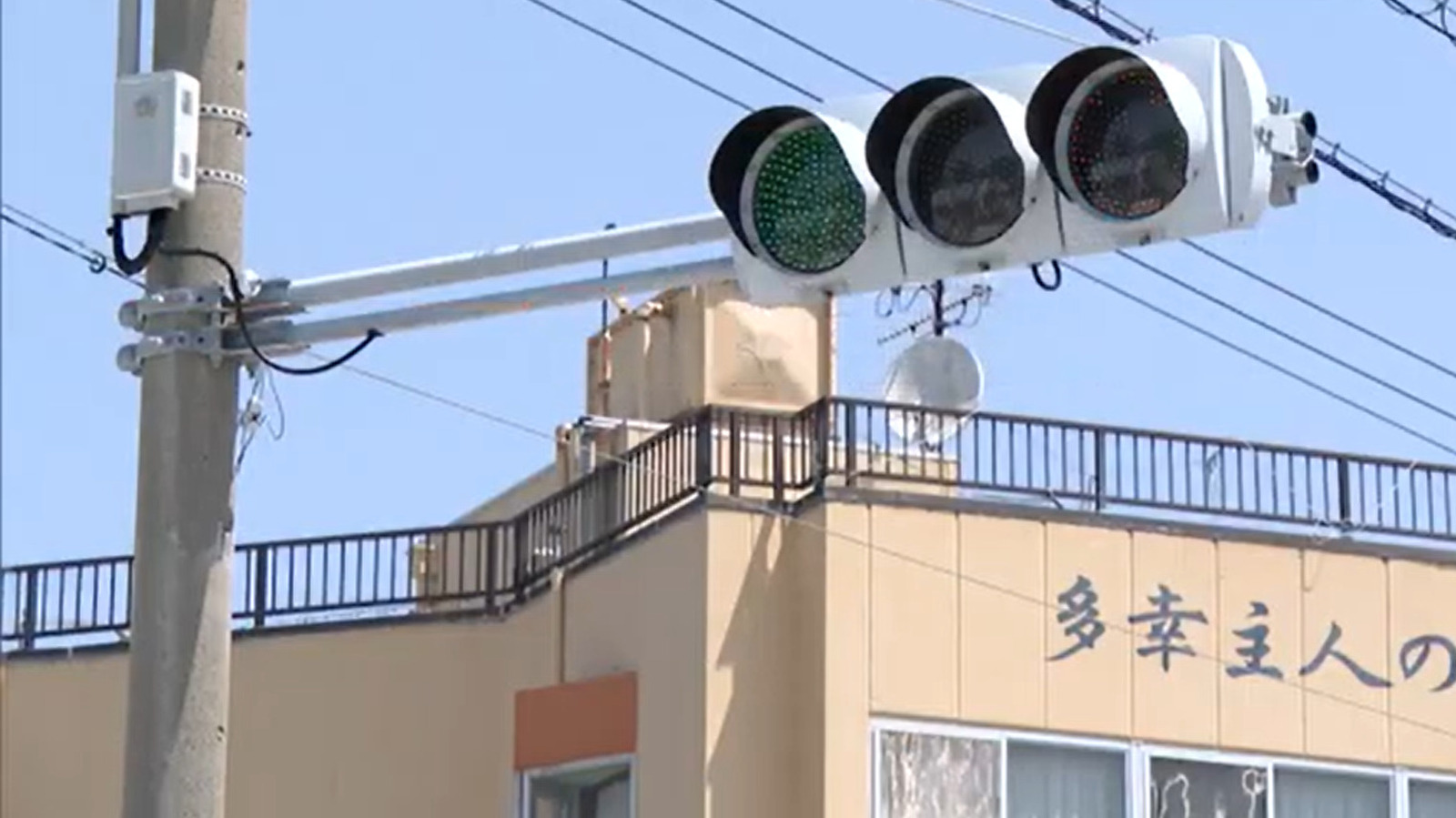
On the quiet island of Himakajima, just off the coast near Nagoya, Japan, there is a traffic light that behaves in a most unusual way. For 364 days of the year, it flashes red on one road and yellow on another, acting more like a stop sign than a signal. But once every year, it turns green, and for a brief moment, it operates like a standard traffic light. This peculiar setup isn't a prank or a malfunction; it's a deliberate educational tool designed to teach children about road safety.
The island, with a population of about 1,600, has no other traffic lights. There's little need for them, as the entire island can be walked in less than 90 minutes. But the residents wanted to ensure that their children, who may one day venture to Japan's bustling cities, would be prepared for the complexities of urban traffic. So, in 1994, they installed this single traffic light with a very specific purpose: to educate young students on how to safely cross a street with a signal.
The Light's Year-Round Role
Located at 72 Kodochi, Himakajima, Minamichita-cho, Chita-gun, Aichi Prefecture, near the island's eastern port, the traffic light is set to perpetually flash red for the road leading into and out of the port, and yellow for the coastal road that bisects it. For most of the year, it functions essentially as a stop sign, reminding drivers to yield and pedestrians to be cautious. This constant flashing serves as a low-key reminder of traffic rules, even in a place where traffic is sparse.
The choice to use flashing red and yellow is deliberate. Flashing red indicates a complete stop, while flashing yellow warns drivers to proceed with caution. In this way, the light manages the limited traffic that does pass through the port area, ensuring safety without the need for a full signal cycle. It's a practical solution for a low-traffic area, but its true purpose is revealed once a year.
The Annual Green Light Ceremony
Once a year, the traffic light is switched to its full three-color mode, and the island's primary school brings its third and fifth graders to the port for a hands-on lesson in road safety. The children line up at the signal, wait for it to change, look both ways, and cross within the zebra-striped crosswalk with their arms raised to increase visibility. This exercise teaches them the proper etiquette for crossing a street with a traffic signal, a skill they might not otherwise have the chance to practice on the island.
The event is a significant occasion for the students. They learn to recognize the red, yellow, and green lights (which the Japanese call blue, but that's another story) and understand what each color means. They practice waiting patiently, checking for oncoming traffic, and crossing safely. This annual drill ensures that when these children eventually travel to or live in a city with heavy traffic, they will know exactly how to behave.
Why This Matters
In many parts of the world, traffic lights are so common that children learn about them almost by osmosis. But on Himakajima, there are no traffic lights, so the island's educators had to find a creative way to teach this essential life skill. Before the light was installed, schools used small training props to simulate traffic signals, but these lacked the realism of an actual intersection. The installation of the real traffic light provided an authentic learning environment.
This initiative reflects a broader cultural emphasis on safety and education in Japan. The Japanese are known for their meticulous attention to detail and their commitment to preparing children for the future. This traffic light is a perfect example of that mindset: a small, seemingly quirky installation that serves a serious educational purpose.

A Lesson for the World
While the story of the once-a-year green light might seem like a curiosity, it offers a valuable lesson about the importance of education and adaptation. In a world where urban environments are becoming increasingly complex, teaching children how to navigate them safely is crucial. The island of Himakajima has found an innovative way to do just that, using a simple traffic light to impart knowledge that could one day save lives.
So, the next time you hear about a traffic light that only turns green once a year, you might smile at the quirkiness of it all. But remember that behind this quirk is a serious mission: to ensure that the children of Himakajima are ready for the world beyond their island home. It's a small but significant step in bridging the gap between rural and urban life, and a testament to the power of thoughtful, community-driven education.
This article is based on reporting by Jalopnik. Read the original article.
Originally published on jalopnik.com