A New Kind of Service Call
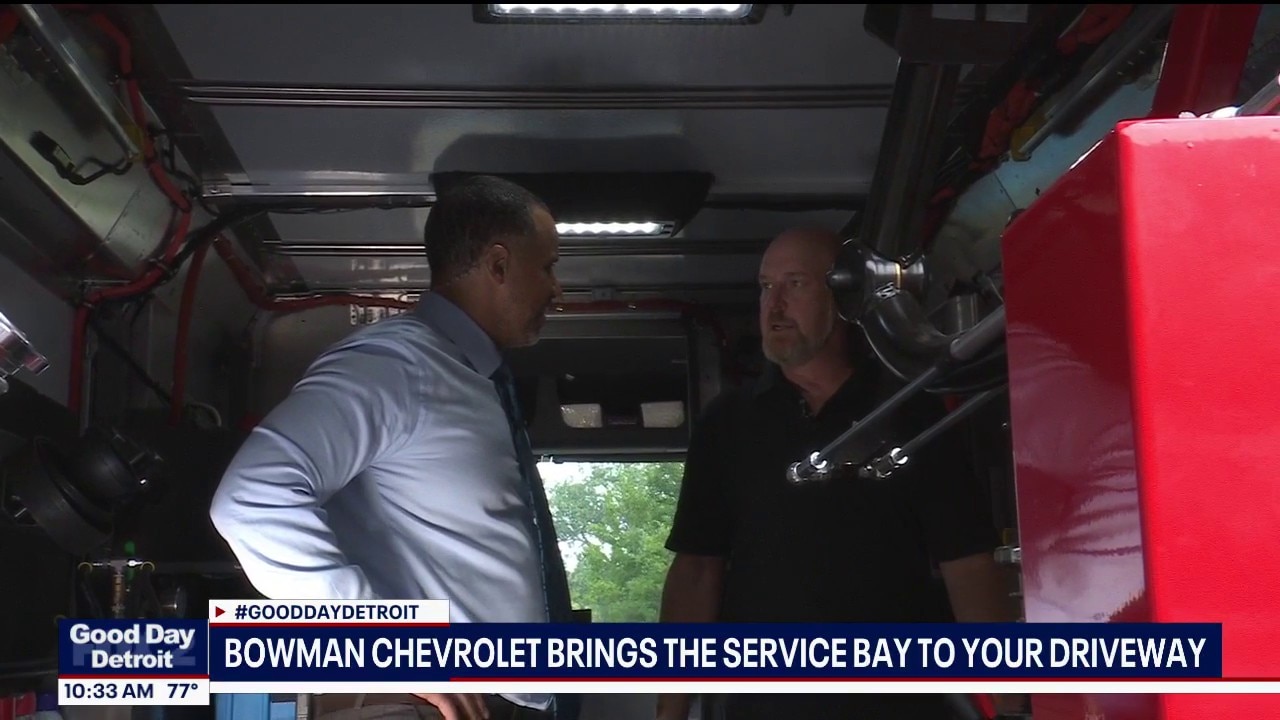
In an era where convenience is king, Bowman Chevrolet is betting big on bringing the dealership to the customer. The Michigan-based dealership has launched a mobile service van that performs routine maintenance and repairs right in customers' driveways. The $130,000 investment is a bold gamble that could redefine how dealerships approach customer service, especially for busy car owners who dread the traditional service department visit.
The van is equipped to handle tire rotations, brake replacements, and key fob programming—tasks that are typically quick but require a trip to the shop. By offering these services at a customer's home or workplace, Bowman Chevrolet aims to eliminate the hassle of scheduling appointments, waiting in line, and arranging rides. For the dealership, it's a way to stand out in a competitive market and build loyalty that goes beyond the initial sale.
Inside the Mobile Service Van
The mobile service unit is not just a modified cargo van; it's a fully stocked workshop on wheels. It carries a range of tools and parts, including tires, brake pads, and diagnostic equipment for key fob programming. The van is designed to handle multiple jobs in a single trip, maximizing efficiency for the technician and the dealership.
One of the key features is its ability to connect to the dealership's service database, allowing the technician to access vehicle history and service records in real time. This ensures that the work performed on-site meets the same standards as in the shop. The van also has a secure inventory system to track parts and tools, reducing the risk of loss or theft.

The Technician's Perspective
For longtime technician Mike Kowalski, the transition to mobile service has been a significant change. Kowalski, who has spent years working in the dealership's service bay, now spends his days on the road, visiting customers across the region. 'It's a different mindset,' he says. 'You're not just fixing cars; you're representing the dealership in someone's home. You have to be more personable and flexible.'
The job also requires a higher level of autonomy. Without the support of a full shop crew, Kowalski must be able to diagnose and fix issues on his own, often in less-than-ideal conditions. He has to contend with weather, uneven driveways, and limited workspace. But he says the satisfaction of helping customers without them having to disrupt their day is rewarding.
Why Mobile Service Makes Sense
The automotive industry has seen a shift toward convenience-oriented services, from online car buying to at-home test drives. Mobile service is a natural extension of this trend. For dealerships, it offers a way to increase customer retention and generate additional revenue without expanding their physical footprint.
Bowman Chevrolet's mobile service is particularly appealing to certain demographics: busy professionals, elderly drivers who may have difficulty getting to the dealership, and families with multiple vehicles. By bringing the service to them, the dealership removes a significant barrier to routine maintenance, which can lead to safer vehicles and fewer major repairs down the road.
From a business perspective, the $130,000 investment is a calculated risk. The van's operating costs include fuel, maintenance, and insurance, but the potential payoff is substantial. If the service proves popular, it could lead to higher customer satisfaction scores, more repeat business, and positive word-of-mouth that attracts new customers.
Challenges and Considerations
While the concept is promising, it's not without challenges. One of the biggest hurdles is scheduling. Unlike a fixed service department with multiple bays, a single mobile van can only be in one place at a time. This means the dealership must carefully plan routes and appointments to maximize efficiency.
Another challenge is the scope of services. The van is currently limited to tire, brake, and key fob work—tasks that are relatively straightforward and don't require heavy equipment. More complex repairs, such as engine overhauls or transmission replacements, will still need to be done at the dealership. This means the mobile service is not a complete replacement for the traditional service department but rather a complement to it.
There's also the question of customer trust. Some people may be skeptical about having a technician work on their car in their driveway, especially if they're used to the controlled environment of a service bay. Bowman Chevrolet is addressing this by sending experienced technicians and providing detailed invoices and warranties for the work performed.
The Future of Dealership Services
Bowman Chevrolet's mobile service van is part of a broader trend in the automotive industry toward more flexible, customer-centric services. As technology advances, we may see more dealerships adopting similar models, perhaps even using electric vans or drones for parts delivery. The key will be balancing convenience with quality and safety.
For now, Bowman Chevrolet is leading the way in its market, and the early response has been positive. Customers appreciate the convenience, and the dealership is learning valuable lessons about what works and what doesn't. If successful, this $130,000 gamble could pay off in ways that go beyond the bottom line—by setting a new standard for how dealerships interact with their customers.
As the automotive landscape continues to evolve, one thing is clear: the days of the traditional service department may be numbered. The future is mobile, and Bowman Chevrolet is driving that change.
This article is based on reporting by Automotive News. Read the original article.
Originally published on autonews.com