School zones are among the most dangerous stretches of road for pedestrians, especially children. With classrooms reopening across the country, drivers need to be extra vigilant. According to Safe Kids Worldwide, an average of 40 child pedestrians are hit by cars every day, totaling more than 15,000 incidents each year. The latest data from the NHTSA's Traffic Safety Facts for Pedestrians, released in 2026, shows that 116 children aged 5 to 14 were killed in traffic crashes in 2024 alone. These statistics highlight the urgent need for every driver to understand and practice safe habits in school zones.
Respect the Speed Limit
Speeding is a leading contributor to fatal crashes. The National Safety Council reports that 29% of all traffic-related deaths in 2024 involved speeding. In a school zone, where children can dart into the street unexpectedly, excessive speed drastically reduces your ability to stop in time. Reaction time is a critical factor. The California Commercial Driver Handbook, citing human performance factors, notes that it takes the average person about 1.75 seconds to even notice a potential hazard. Another 0.75 to 1.0 seconds passes before you can physically react. That means by the time you perceive a child stepping off the curb and hit the brakes, your vehicle has already traveled a considerable distance. At 20 mph, that distance is significantly shorter than at 30 mph. Always obey the posted speed limit in school zones, even when the area appears empty. Children may be hidden by parked cars or bushes, and their behavior is unpredictable.
Beware Double-Parked Vehicles
Double-parking is a common problem near schools, especially during drop-off and pick-up times. Vehicles blocking a lane force other drivers to maneuver around them, often cutting into oncoming traffic or squeezing past in ways that reduce visibility. Children may emerge from between double-parked cars, making it impossible for you to see them until it's too late. If you encounter a double-parked vehicle, slow down significantly and be prepared to stop. Give yourself extra space and try to make eye contact with any pedestrians you see. Also, avoid contributing to the problem by never double-parking yourself. Use designated drop-off areas or pull fully into a parking spot. A few extra minutes of patience can prevent a tragic accident.
Put Your Phone Away
Distracted driving is a major hazard in any environment, but it's especially dangerous in school zones. A momentary glance at a text message or navigation app can mean missing a child stepping into the road. Studies show that taking your eyes off the road for just a few seconds increases crash risk dramatically. The safest approach is to put your phone out of reach before you enter a school zone. If you must use GPS, set your route before you start driving. Remember that many states have strict laws against using handheld devices in school zones, with hefty fines and increased penalties. The presence of a crossing guard and flashing signs are no match for a distracted driver. Make a conscious decision to focus entirely on the road and your surroundings. Your full attention is the most powerful safety tool you have.
Watch for Bicyclists and Bus Passengers
School zones are busy with more than just pedestrians. Bicyclists and school buses add another layer of complexity. Children on bikes may be inexperienced and less predictable, weaving between cars or crossing intersections without looking. Always give bicyclists at least three feet of clearance when passing, and be especially cautious on roads with bike lanes. School buses also demand your attention. When a bus has its red lights flashing and the stop arm extended, you must stop — this is not optional. Children boarding or exiting may cross the road without warning. Even when buses are moving, they make frequent stops, so keep a safe following distance and be ready to brake. Pay attention to the bus's yellow flashing lights, which signal it is preparing to stop. Failure to yield to a bus can result in severe penalties and, more importantly, jeopardizes young lives.
Mind the Crosswalks and Crossing Guards
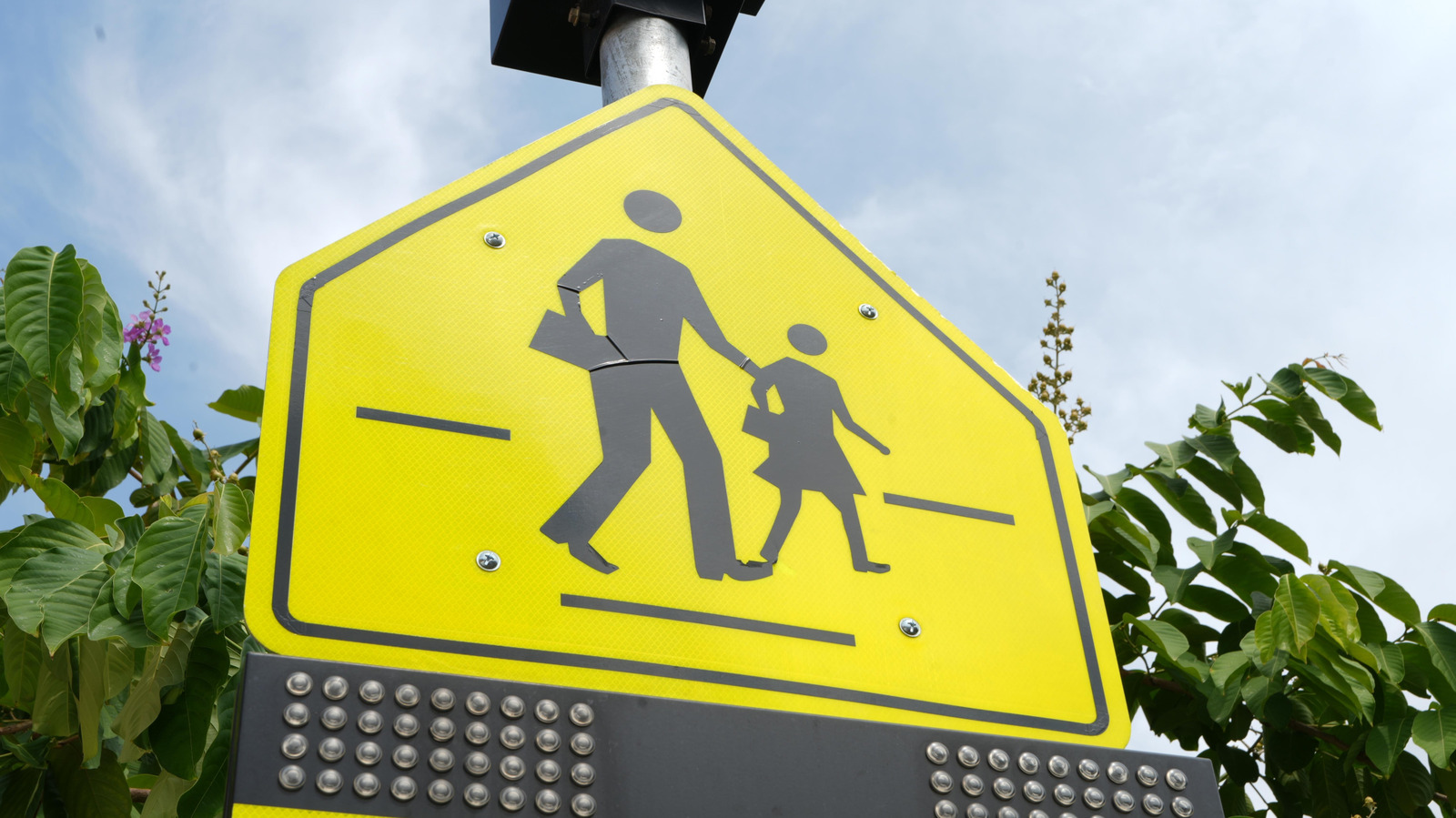
Crosswalks are designed to protect pedestrians, but they only work if drivers respect them. Unfortunately, many school zones lack proper markings. A Safe Kids Worldwide study from about a decade ago found that only 40% of school zones had speed limits as low as 20 mph, and 30% had no marked crosswalks. Even where crosswalks exist, drivers often fail to yield. Always come to a complete stop for pedestrians in a crosswalk, and wait until they have safely reached the other side before proceeding. Crossing guards are there to help children navigate busy streets, but they cannot control inattentive drivers. Obey their hand signals and stop when instructed. Also, study the school zone's signage: fluorescent yellow-green signs are meant to grab attention, but they are no substitute for a driver's own awareness. One notorious case in Albany, New York, involved a driver receiving 29 school-zone tickets in just 10 days — a stark reminder that some drivers repeatedly ignore the rules, making vigilance essential for everyone else.
Every driver has a responsibility to protect the youngest members of the community. By slowing down, eliminating distractions, and staying aware of the unique hazards in school zones, you can make a real difference. The statistics are sobering, but they are also preventable. Commit to these five safety habits and encourage others to do the same. Together, we can ensure that the journey to and from school is a safe one for all children.
This article is based on reporting by Jalopnik. Read the original article.

Originally published on jalopnik.com