Introduction
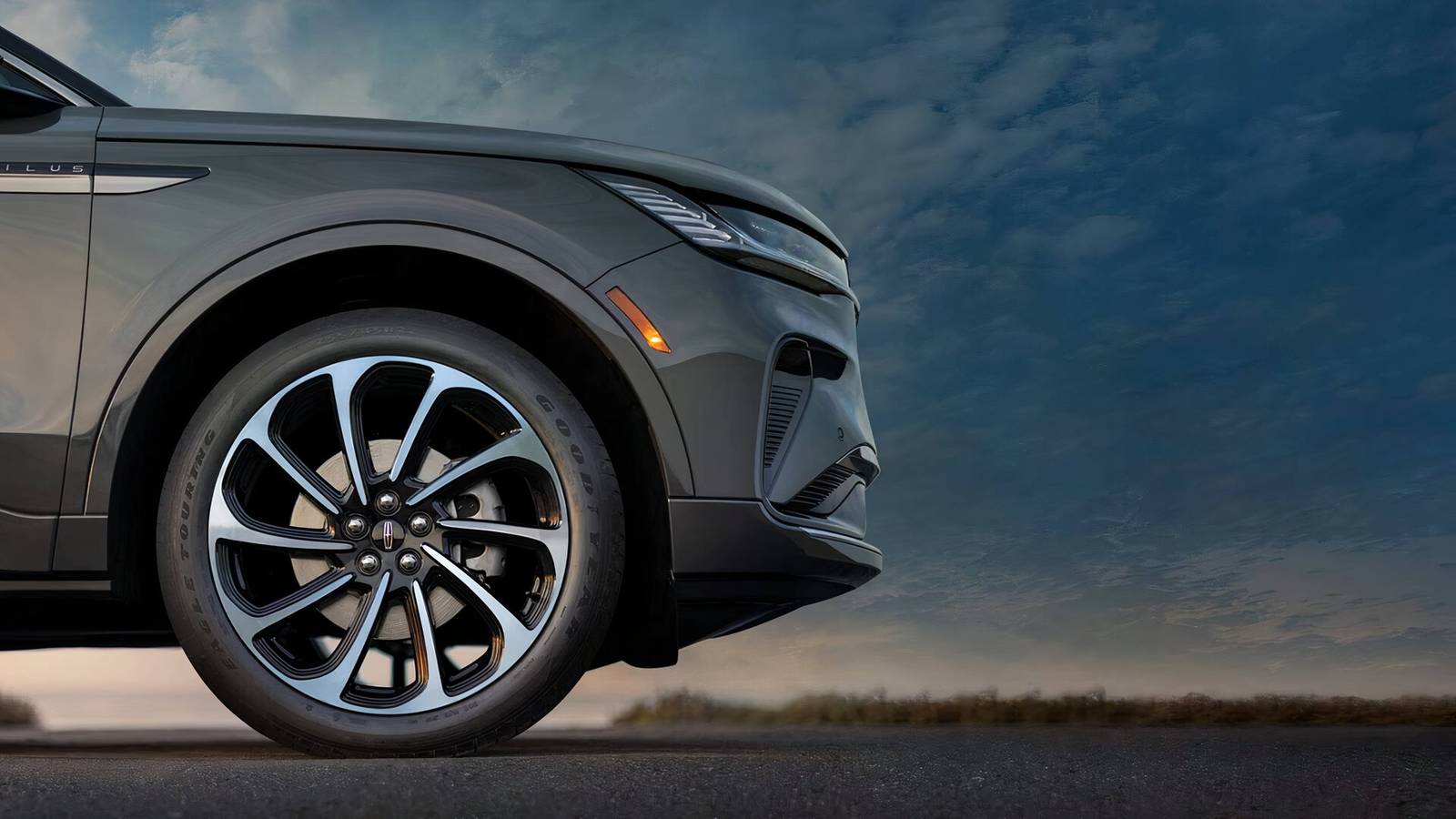
Ford Motor Company has announced that the first 2026 Lincoln Nautilus hybrids are now en route to dealerships across Canada. This strategic move marks the return of the popular luxury SUV to the Canadian market, and it comes at a pivotal moment as the country begins to receive vehicles under the recently established China EV quota agreement. While Ford has not explicitly confirmed that these hybrids are part of the quota, the timing suggests a deliberate alignment with Canada's evolving trade policies.
The Return of the Nautilus Hybrid
The Lincoln Nautilus hybrid has been a significant player in the luxury SUV segment, offering a blend of performance, comfort, and efficiency. Its reintroduction in Canada is expected to be well-received by consumers who have been awaiting its return. Ford Canada's announcement indicates that the company is committed to meeting the growing demand for hybrid vehicles in the region.
The 2026 model year brings several enhancements to the Nautilus, including updated technology features and improved fuel economy. These improvements are likely to strengthen its competitive position against rivals such as the Lexus RX and Acura MDX.
China EV Quota: A New Trade Landscape
The China EV quota is a recent trade agreement that allows a certain number of electric and hybrid vehicles manufactured in China to be imported into Canada without facing steep tariffs. This quota is part of a broader effort to diversify Canada's automotive supply chain and accelerate the adoption of cleaner vehicles.
Ford's decision to import the Nautilus hybrid from its Chinese production facilities aligns with this new policy. By leveraging the quota, Ford can offer the Nautilus at a more competitive price point while still maintaining high quality standards. The company has invested heavily in its Chinese manufacturing plants, which are equipped with advanced robotics and quality control systems.
Implications for the Canadian Market
The arrival of the Nautilus hybrid is expected to have several implications for the Canadian automotive market. First, it provides consumers with more choices in the hybrid SUV segment, which has been growing rapidly due to rising fuel prices and increased environmental awareness.
Second, it signals a shift in how automakers approach global production and distribution. By utilizing Chinese manufacturing capabilities, Ford can respond more flexibly to regional demand fluctuations. This strategy may become more common as trade agreements evolve.

Ford's Strategic Positioning
Ford's move to bring the Nautilus hybrid to Canada under the China EV quota is a calculated step in its broader electrification strategy. The company has set ambitious goals to increase its hybrid and electric vehicle sales globally. By expanding the availability of the Nautilus hybrid, Ford is reinforcing its commitment to offering a diverse range of powertrains.
Moreover, this move helps Ford strengthen its relationship with Canadian dealers and customers. The company has faced challenges in recent years due to supply chain disruptions and shifting consumer preferences. The reintroduction of a popular model like the Nautilus could help rebuild momentum.
Consumer Response and Expectations
Early indications suggest that Canadian consumers are eager to get their hands on the new Nautilus hybrid. Dealerships have reported receiving inquiries from potential buyers even before the vehicles have arrived. The hybrid's combination of luxury and efficiency is a compelling proposition for many.
Ford Canada has also announced that it will offer attractive financing and leasing options to make the Nautilus more accessible. This is likely to boost sales and help Ford achieve its market share targets.
Challenges and Considerations
While the outlook is positive, there are challenges to consider. The China EV quota is subject to annual reviews, and any changes could affect future imports. Additionally, some consumers may have concerns about the perception of Chinese-made vehicles, despite their quality. Ford will need to address these concerns through marketing and customer education.
Furthermore, the competitive landscape in the luxury SUV segment is intense. Established players like BMW and Mercedes-Benz are also introducing hybrid models. Ford will need to differentiate the Nautilus through unique features and superior customer service.
Conclusion
Ford's reintroduction of the Lincoln Nautilus hybrid in Canada, timed with the China EV quota, is a significant development in the automotive industry. It reflects the changing dynamics of global trade and the increasing importance of hybrid technology. As the first shipments arrive, all eyes will be on how the market responds and whether this strategy will pave the way for more such moves in the future.
This article is based on reporting by Automotive News. Read the original article.
Originally published on autonews.com