Overview of Recent Buy-Sell Transactions
The automotive retail sector continues to experience significant consolidation as new buy-sell transactions emerge across the United States. The latest wave of dealership acquisitions and mergers includes single- and multistore deals spanning eight states, reflecting ongoing shifts in ownership and market strategy. These transactions are part of a broader trend where dealers are adjusting their portfolios to align with changing consumer preferences, brand performance, and regional opportunities.
According to recent data, the deals involve a diverse range of brands, including a notable exotic car dealership in California, as well as four Ford stores and three Nissan locations. This mix highlights the varied interests of buyers, from luxury and high-performance segments to mainstream volume brands. The geographic spread of the transactions underscores the national scope of dealership consolidation, with activity occurring in both established and emerging markets.
California Exotic Dealership Changes Hands
One of the standout transactions in this latest round is the acquisition of a California exotic car dealership. Exotic car stores, which typically handle brands like Ferrari, Lamborghini, and McLaren, represent a unique niche in the automotive retail market. These dealerships require specialized knowledge, substantial capital investment, and a clientele that values exclusivity and performance. The change in ownership at this California location signals continued investor interest in high-end automotive retail, despite broader economic uncertainties.
The new owner inherits a business that caters to a discerning customer base, often involving personalized service, limited-production vehicles, and a strong emphasis on brand experience. The transaction may also include service and parts operations, which are critical revenue streams for exotic dealerships. Industry observers will be watching to see how the new leadership navigates the challenges of this segment, including inventory management, manufacturer relationships, and evolving customer expectations.
Ford and Nissan Stores in Multiple States
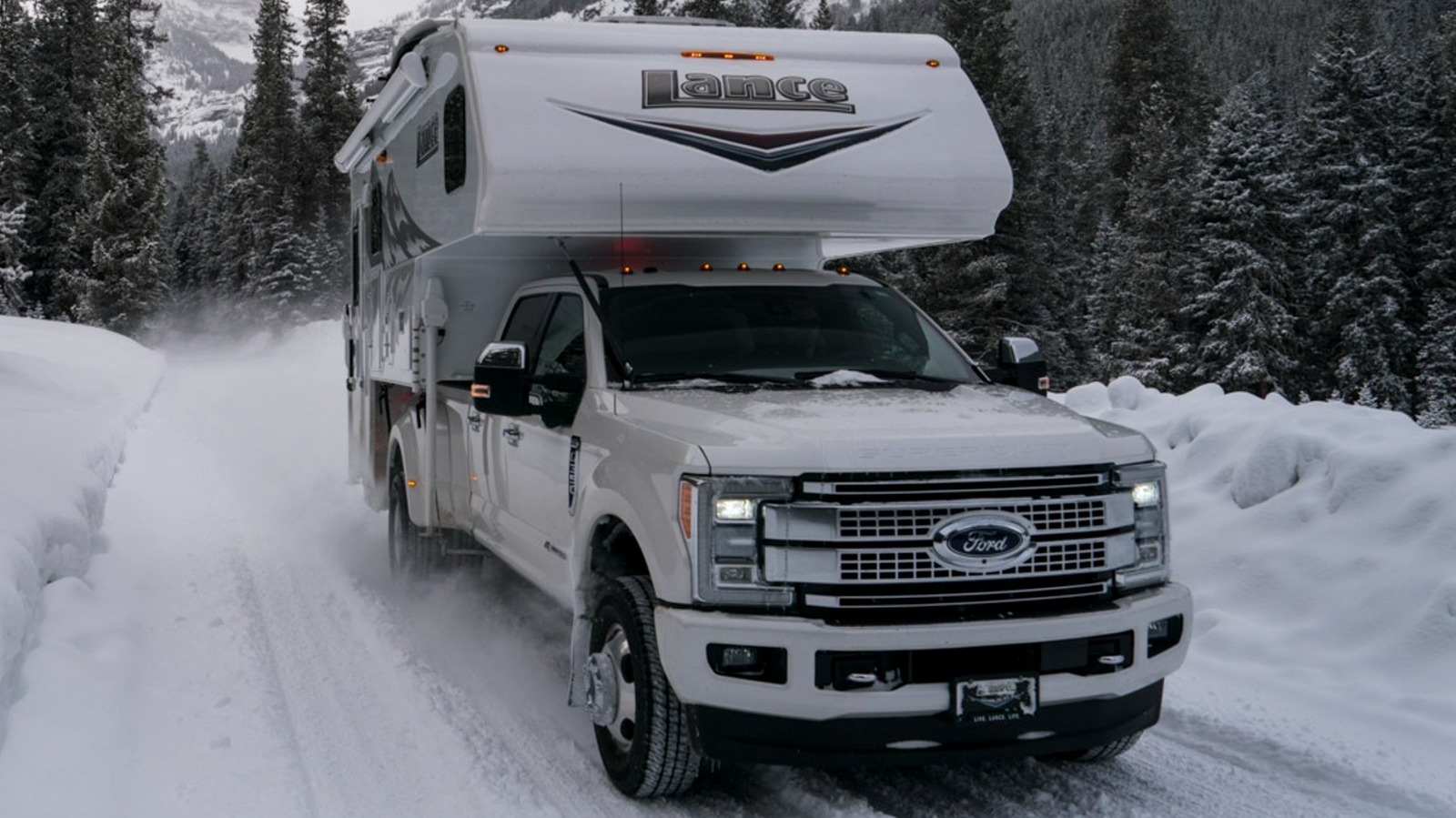
In addition to the exotic dealership, the latest buy-sell database updates reveal acquisitions of four Ford stores and three Nissan locations. These transactions are spread across different states, indicating a broad appetite for volume brands that have strong market presence and loyal customer bases. Ford, with its popular F-Series trucks and expanding electric vehicle lineup, remains a key player in the U.S. market. Nissan, meanwhile, continues to offer a range of sedans, SUVs, and electric vehicles, with a focus on value and reliability.
For buyers, acquiring Ford and Nissan stores can provide stable revenue streams and opportunities for growth through facility improvements, digital retailing, and enhanced customer service. Sellers, on the other hand, may be looking to exit the business due to retirement, financial pressures, or strategic realignment. The deals reflect a healthy market for dealership buy-sells, with both buyers and sellers finding common ground on valuations and terms.
Multi-Store Deals and Portfolio Expansion
The latest transactions include both single- and multistore deals, with some buyers expanding their portfolios significantly. Multi-store acquisitions allow dealers to achieve economies of scale, streamline operations, and increase their negotiating power with manufacturers. These deals often involve complex due diligence, financing arrangements, and integration plans. The fact that such deals are occurring across eight states suggests that dealers are confident in the long-term prospects of the automotive retail industry, even as the market evolves with new technologies and changing consumer behaviors.
For example, a buyer acquiring multiple Ford stores in different states can leverage shared best practices, centralized marketing, and bulk purchasing. Similarly, acquiring Nissan stores in contiguous regions may create operational efficiencies. However, multi-store deals also come with challenges, including managing diverse staff, complying with state-specific regulations, and ensuring consistent customer experiences across locations.

Market Trends and Implications
The recent buy-sell activity is indicative of broader trends in the dealership sector. Consolidation has been a persistent theme as larger groups acquire smaller operations, driven by factors such as the need for scale to invest in digital tools, electric vehicle infrastructure, and talent. Additionally, the pandemic accelerated changes in consumer behavior, with more buyers using online channels for research and even purchase, prompting dealers to adapt their business models.
Another trend is the increasing interest in used-car operations and service departments, which can provide more stable margins than new-car sales. Some of the recent transactions may include such ancillary businesses, making them more attractive to buyers. Furthermore, the shift toward electric vehicles is reshaping dealership requirements, with manufacturers like Ford requiring investments in charging stations and specialized training. Buyers who acquire Ford stores are likely mindful of these upcoming demands.
Regional Variations and State-Specific Factors
The eight states involved in these transactions each have their own regulatory environments, market conditions, and consumer preferences. For instance, California has stringent emissions standards and a strong appetite for electric and high-performance vehicles, which may explain the interest in an exotic dealership there. Other states may offer lower operating costs, favorable tax structures, or less competitive markets, making them attractive for expansion.
Dealership buy-sell transactions are subject to manufacturer approval, and the process can vary by brand. Buyers must demonstrate financial capability, operational expertise, and alignment with the brand's values. The recent deals suggest that both Ford and Nissan have approved the new owners, indicating confidence in their ability to represent the brands effectively.

Looking Ahead
As the automotive industry continues to undergo transformation, dealership buy-sell activity is likely to remain robust. The latest transactions, including the California exotic dealership and the Ford and Nissan stores, are just a few examples of the ongoing consolidation and repositioning. Dealers who are considering buying or selling should stay informed about market trends, valuation benchmarks, and financing options. The data from these recent deals provides valuable insights into the current state of the market and what may lie ahead.
For consumers, changes in dealership ownership can bring improvements in facilities, customer service, and inventory. For the industry, these transactions contribute to a more efficient and competitive retail landscape. As new owners take the helm, they will be tasked with navigating the challenges and opportunities of a rapidly evolving market.
This article is based on reporting by Automotive News. Read the original article.
Originally published on autonews.com