SpaceX Prepares Falcon 9 for Saturday Evening Starlink Flight
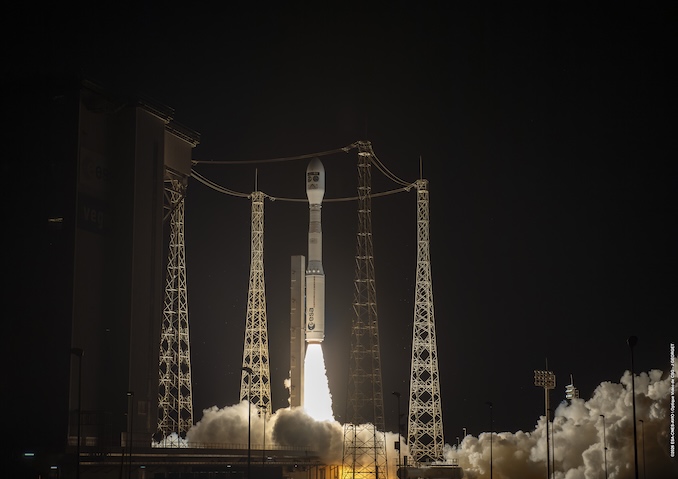
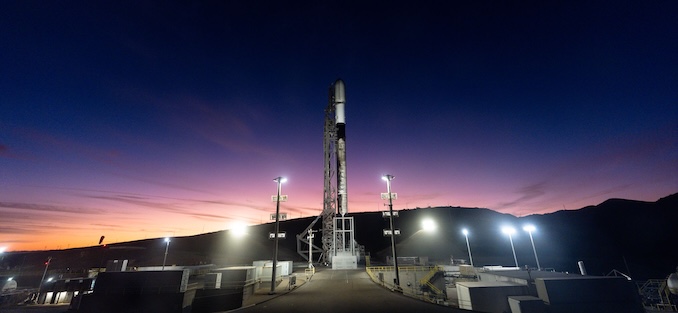
SpaceX is set to add another 27 satellites to its Starlink constellation with a Falcon 9 launch from the California coast. The rocket is scheduled to lift off from Space Launch Complex 4 East at Vandenberg Space Force Base during a window that opens at 6:47 p.m. PDT on Saturday, which is 9:47 p.m. EDT and 0147 UTC.
The mission, designated Starlink 15-27, will carry 27 Starlink V2 Mini Optimized satellites to orbit. It will be the 81st Starlink mission of the year, a figure that highlights just how relentless SpaceX's launch cadence has become in 2026.
Spaceflight Now will provide live coverage of the countdown and ascent, with the broadcast beginning about 30 minutes before the launch window opens.
A Southeasterly Path Hugging the California Coast
After leaving the pad, the Falcon 9 will not arc out over the open Pacific to the west. Instead, it will fly a southeasterly trajectory, hugging the California coastline as it climbs away from Vandenberg. That routing is expected to make the launch visible to millions of people across the region as the rocket soars upward.
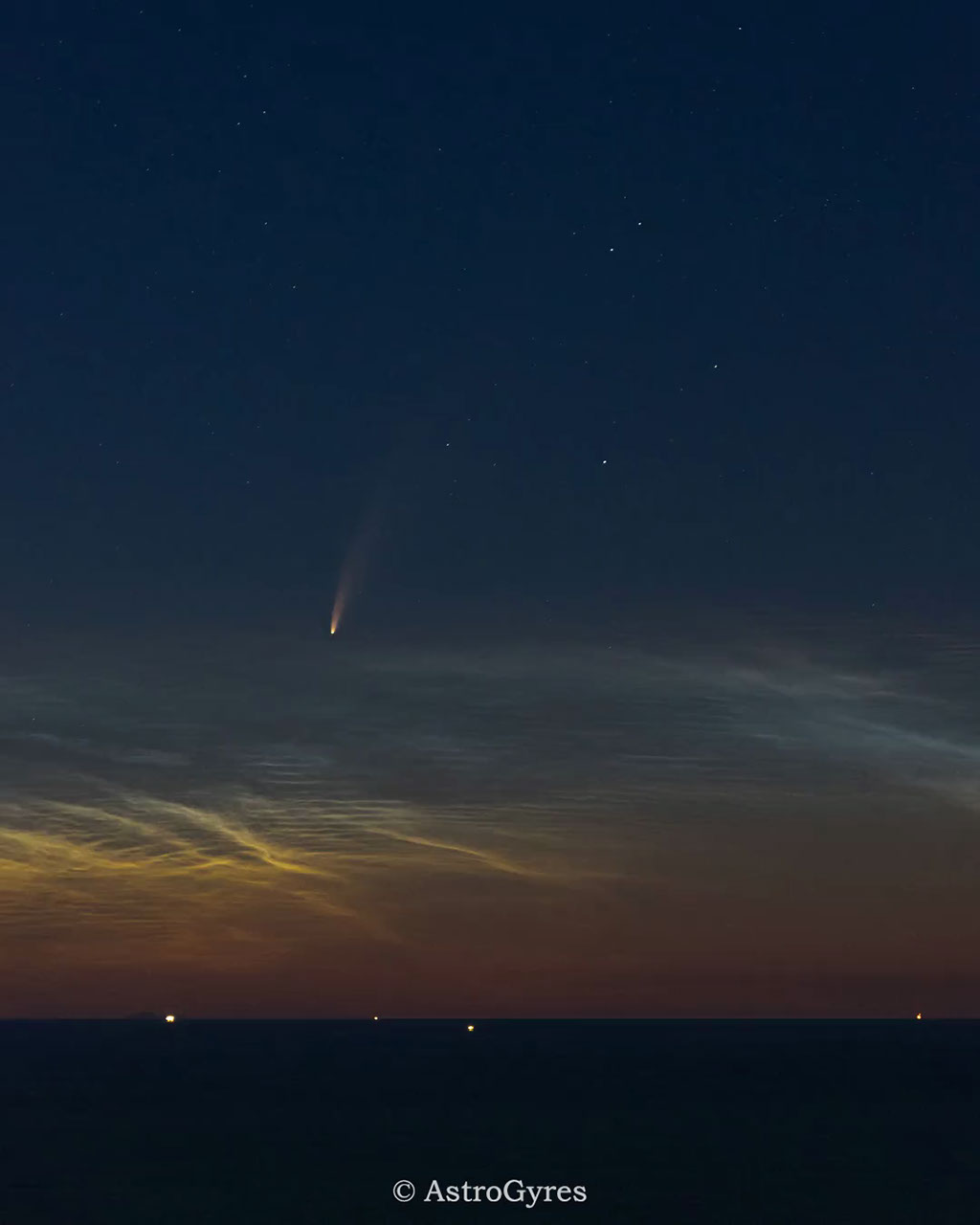
Evening departures from Vandenberg are often prized by skywatchers because the rocket is still catching sunlight high in the atmosphere while observers on the ground sit in dusk, a combination that can produce striking illuminated plume effects. The timing of this window — early evening on the West Coast — places the flight squarely in that favorable category.
Vandenberg's position on the coast makes it a natural departure point for missions heading into high-inclination orbits, and the base has become a regular source of Starlink flights alongside SpaceX's launch facilities in Florida. For residents along the California coastline, a launch like this one offers an unusually accessible view of orbital rocketry without any need for special equipment.
Booster B1093 Reaches Its 17th Flight
The first stage assigned to this mission, booster B1093, is a heavily flown vehicle. Saturday's launch will be its 17th flight to space and back, continuing a reuse record that would have seemed implausible during the early years of orbital rocketry.
B1093's flight history spans a mix of national security, rideshare and commercial missions:
- Two missions for the U.S. Space Force's Space Development Agency
- The Transporter-16 rideshare mission
- Thirteen separate batches of Starlink satellites
- Saturday's Starlink 15-27 flight, its 17th overall
The mix reflects the broader role Falcon 9 has carved out across the launch market. The same reusable booster architecture that carries batches of Starlink satellites is also entrusted with missions for the U.S. military's space organizations, and B1093 has flown both categories of payload.
Landing Attempt on the Droneship Of Course I Still Love You
About 8.5 minutes after liftoff, B1093 will target a landing on the droneship Of Course I Still Love You, which is positioned in the Pacific Ocean for the recovery attempt. Downrange landings let SpaceX recover boosters from missions that need more performance than a return-to-launch-site flight would allow.
If the touchdown succeeds, it will be the 225th landing on this particular vessel and the 662nd Falcon booster landing to date. Those cumulative figures trace the maturation of the recovery program, which has turned what was once a novel demonstration into an operational routine supporting nearly every Falcon 9 flight.
A successful recovery would also position B1093 for yet another refurbishment cycle, adding to a flight count that already places it among the more experienced stages in the fleet.
What Happens After Liftoff
The 27 Starlink V2 Mini Optimized satellites aboard the Starlink 15-27 mission are set to deploy a little more than an hour after liftoff. Deployment comes well after the booster has separated and begun its descent toward the droneship, splitting the mission into two parallel storylines: the satellite delivery in orbit and the recovery attempt at sea.
The V2 Mini Optimized satellites represent the hardware SpaceX is currently flying in volume to populate its constellation. Batch sizes of this scale mean a single Falcon 9 launch can meaningfully expand the network, which is why the company keeps flying them at a pace of multiple missions per month.
Eighty-One Starlink Missions in a Single Year
The most striking number attached to Saturday's flight is its place in the calendar. Starlink 15-27 will be the 81st Starlink mission of the year, a total that speaks to the industrial rhythm SpaceX has built around its own constellation.
Reaching that count requires far more than launch vehicles alone. It depends on a steady supply of satellites rolling off the production line, a stable roster of reusable boosters cycling through turnaround, and recovery assets such as Of Course I Still Love You stationed offshore to receive returning stages. Each mission is a small link in a much longer chain.
The missions are also numbered in families, and Starlink 15-27 belongs to a series of flights carrying similar batches of V2 Mini Optimized spacecraft. Grouping launches this way simplifies planning while keeping the constellation's orbital shells continuously replenished.
How to Follow the Launch
Spaceflight Now's live coverage will begin roughly 30 minutes before the window opens at 6:47 p.m. PDT, walking through final countdown milestones, the booster's ascent, the droneship landing attempt and the satellite deployment sequence more than an hour later.
For anyone on the California coast hoping to catch the flight in person, the southeasterly trajectory is the key detail: the rocket will track along the coastline rather than heading straight out to sea, which should place it high in the sky for a wide stretch of the region. Weather and local horizon conditions will determine exactly how much of the ascent is visible from any given vantage point, but the early-evening timing gives observers the best possible odds of seeing the illuminated plume stretch across the twilight sky.
This article is based on reporting by Spaceflight Now. Read the original article.
Originally published on spaceflightnow.com