What Is Mass Distribution?
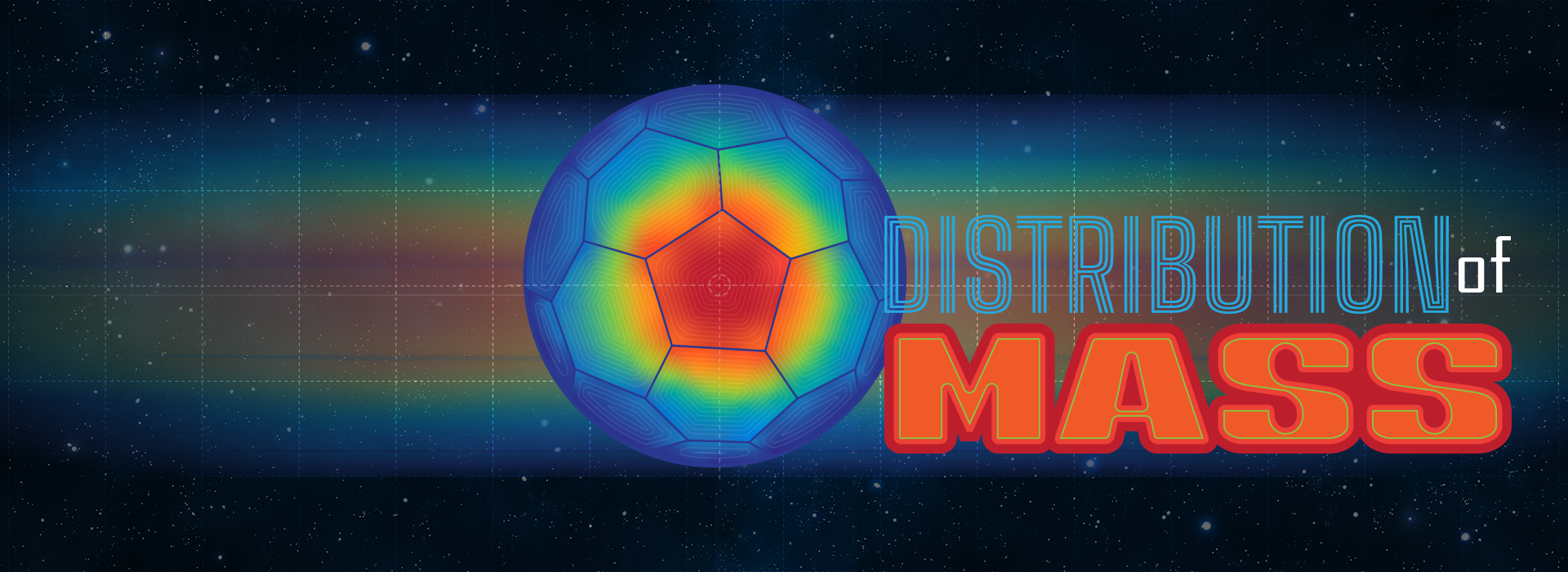
Mass distribution refers to how mass is spread within an object. It is a fundamental concept that influences everything from the shape of galaxies to the design of aircraft and the rotation of planets. Scientists and engineers use mass distribution to map stars, determine planetary composition, and even optimize luggage loading on airplanes. Understanding mass distribution helps explain why objects move, spin, or wobble the way they do.
Mass Distribution in Everyday Life: The Soccer Ball Example
A simple way to grasp mass distribution is through a soccer ball. On the outside, soccer balls appear as a pattern of geometric shapes, but inside they are carefully engineered. The key to a great soccer ball is how its mass is distributed internally. Engineers aim for even mass balance in all areas because the ball's spin and flight depend on mass arrangement. If one part is slightly heavier, the center of mass shifts, causing the ball to move erratically.
Center of Mass and Dynamic Balance
The center of mass is the unique point around which an object's mass is perfectly balanced. For a soccer ball to travel smoothly, its center of mass must be precisely centered. If not, the ball will wobble or curve unpredictably. Achieving dynamic balance—where an object moves without unexpected movements—is crucial for sports equipment, aircraft, and rockets.
How Mass Distribution Is Measured
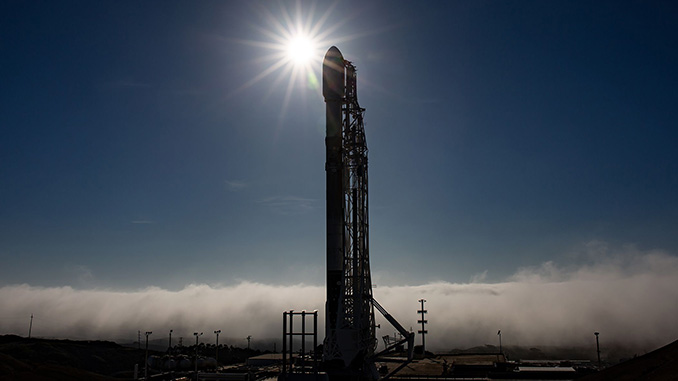
Scientists and engineers use precision scales, computer models, and repeated testing to determine an object's mass distribution. These tools help design balanced airplanes, rockets, and soccer balls. The goal is to ensure that mass is evenly distributed so that the object performs as intended.
The Role of Microgravity in Studying Mass Distribution
On Earth, gravity masks some details of motion. In microgravity, astronauts can observe movement more clearly. In 2019, Adidas partnered with NASA to send soccer balls to the International Space Station (ISS). Astronauts conducted tests to help engineers confirm designs and understand the physics of ball motion in ways impossible on Earth. The results improved the accuracy and consistency of modern soccer balls.
Space Station Experiments
The ISS experiments allowed engineers to see how soccer balls behave without the interference of gravity. This data helped refine mass distribution models, leading to better-performing balls. The collaboration highlights how space research can improve everyday products.
Applications Beyond Sports
Mass distribution is critical in many fields. In aerospace, it ensures rockets and spacecraft maintain stability during flight. In astronomy, it helps map stars and understand galaxy formation. In transportation, it affects vehicle handling and safety. Even planetary science relies on mass distribution to infer what planets are made of.
Aircraft and Rocket Design
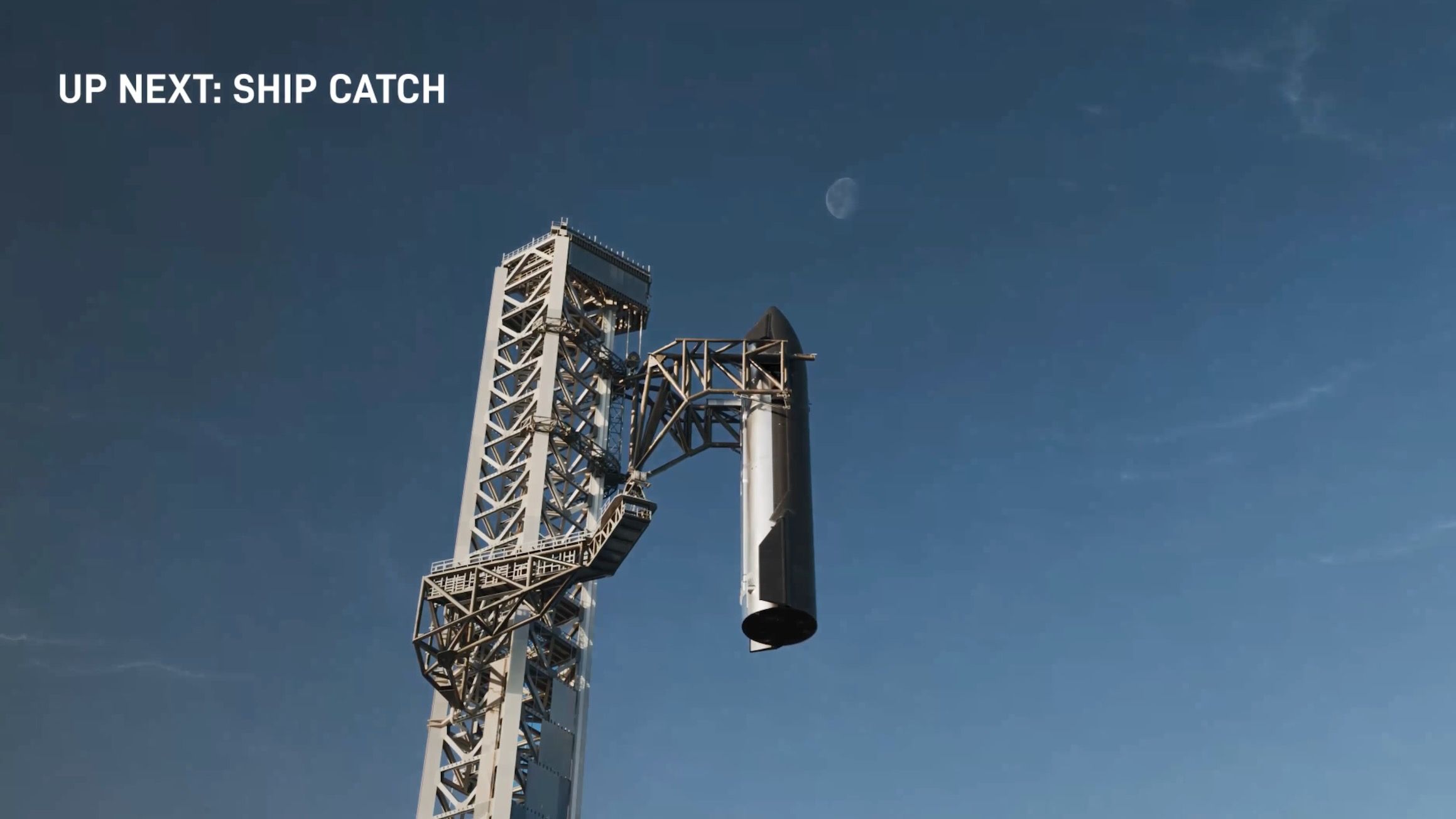
For aircraft and rockets, mass distribution must be precisely calculated to maintain control. An unbalanced craft could spin out of control. Engineers use mass distribution data to position fuel tanks, payloads, and engines for optimal performance.
Planetary Rotation and Galaxy Shapes
The distribution of mass within a planet affects its rotation and gravitational field. Similarly, the mass distribution in galaxies determines their shape—spiral, elliptical, or irregular. Understanding these patterns helps scientists model cosmic evolution.
Try It Yourself: A Simple Experiment
You don't need a space station to explore mass distribution. Try this experiment at home or school:
- Grab different types of sports balls: soccer ball, basketball, tennis ball.
- Spin each one on the ground or between your hands.
- Observe how smoothly they spin. Do any wobble? That indicates uneven mass distribution.
This simple activity demonstrates the principles engineers use to design balanced objects.

Conclusion
Mass distribution is a powerful concept that influences objects from the smallest sports ball to the largest galaxy. By studying it, scientists and engineers improve designs, enhance performance, and deepen our understanding of the universe. NASA's work with soccer balls on the ISS is just one example of how space research leads to innovations that benefit life on Earth.
This article is based on reporting by NASA. Read the original article.
Originally published on nasa.gov