A longstanding planetary mystery is getting more specific
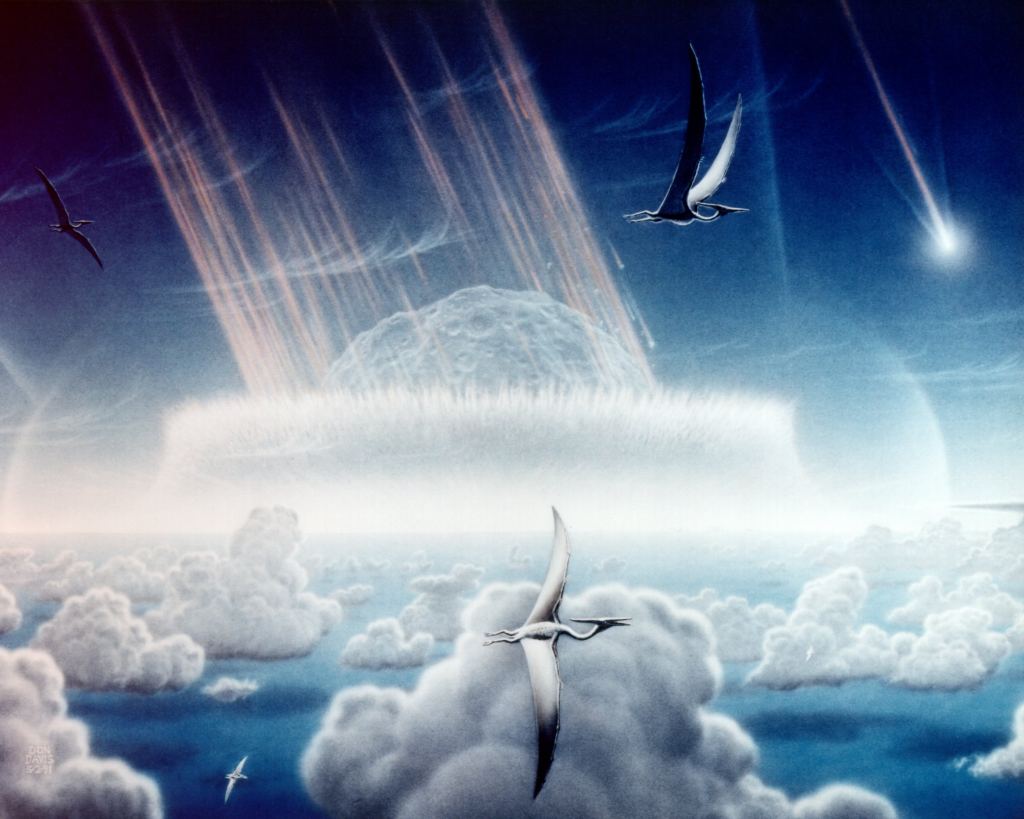
Scientists have moved closer to identifying the type of space rock that struck Earth 66 million years ago and triggered the extinction event that ended the age of dinosaurs. According to new research highlighted by Universe Today, an international team used high-precision nickel isotope analysis to narrow the Chicxulub impactor to a rare kind of meteorite known as a carbonaceous chondrite, specifically a CO-type candidate.
The impact itself is not in doubt. The collision carved out the roughly 180-kilometer-wide Chicxulub crater beneath what is now the Yucatan Peninsula and set off environmental changes severe enough to wipe out about three-quarters of plant and animal species. What has remained harder to pin down is exactly what kind of object did it.
The new study, published in Science Advances, adds weight to the idea that the impactor was not just any asteroid, but a comparatively rare class of primitive material left over from the early solar system.
Why meteorite type matters
On one level, identifying the impactor is a forensic exercise in deep time. But the question also matters because meteorite classes carry information about where an object likely formed, how it evolved, and what material was delivered to Earth during one of the most consequential events in biological history.
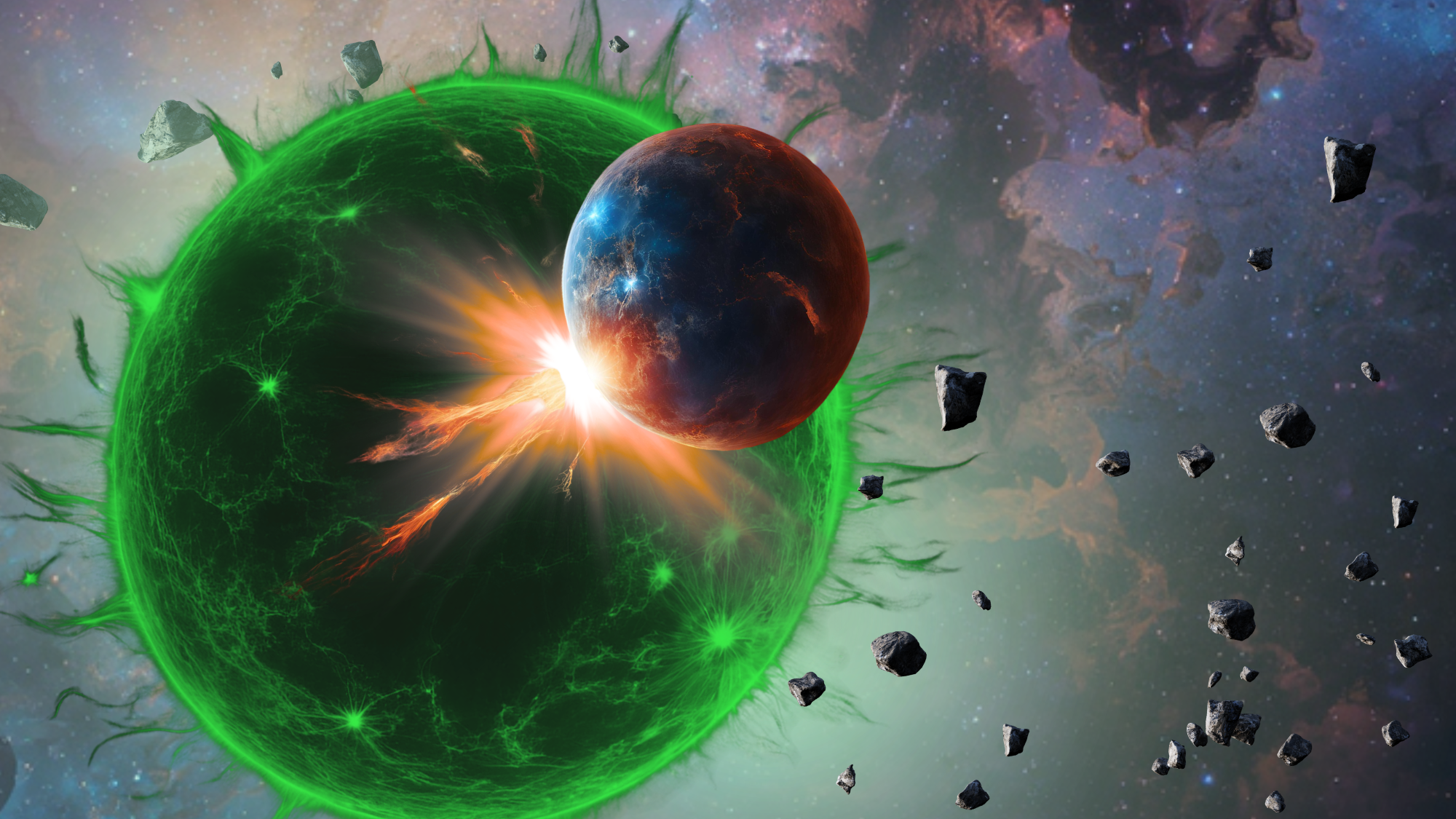
Asteroids and related space rocks are remnants of solar system formation about 4.5 billion years ago. Most small bodies entering Earth’s atmosphere burn up or explode in the air. Chicxulub was in another category entirely: an object estimated at about 10 to 15 kilometers across, large enough to strike the surface and inject vast amounts of material into the atmosphere.
That aftermath matters as much as the impact. The event is understood to have lofted enough debris into the stratosphere to block sunlight and trigger a prolonged global cooling episode often described as a nuclear-winter-like effect. That cascade of darkness, cooling, and ecosystem collapse is what transformed a single impact into a planetary extinction event.
How the researchers approached the problem
The team analyzed clay samples formed from the impact and collected from multiple sites around the world. Those samples preserve geochemical traces from the boundary layer associated with the Cretaceous-Paleogene extinction event. By measuring nickel isotopes at high precision and comparing the signature with known meteorite groups recovered on Earth, the researchers aimed to constrain the impactor’s composition more tightly than previous work allowed.
This approach is powerful because impact layers preserve a chemically mixed record of both terrestrial material and extraterrestrial debris. Pulling the signal apart requires careful isotopic work, but when successful it can reveal relationships that bulk chemistry alone cannot settle cleanly.
The result, as summarized in the source material, points toward a carbonaceous chondrite and narrows the field to a CO-type object. Carbonaceous chondrites are among the most primitive meteorites known, preserving material that dates back to the solar system’s earliest history.
From broad class to narrower candidate
Scientists have debated the Chicxulub impactor’s composition for years, in part because different geochemical markers have supported overlapping interpretations. The new nickel-isotope evidence does not erase all uncertainty, but it appears to sharpen the picture by excluding broader alternatives and strengthening the case for a rarer composition.
That is a meaningful step. Planetary science often advances not through dramatic single measurements, but through progressively tighter constraints from multiple methods. A better match between impact-layer chemistry and a known meteorite class can help connect Earth’s geological record to specific populations of asteroids in the solar system.
- The study used high-precision nickel isotope measurements from global clay samples tied to the extinction boundary.
- Researchers say the chemical signature is consistent with a rare carbonaceous chondrite.
- The findings help narrow where the impactor may have originated within the broader asteroid population.
What this says about solar system history
If the Chicxulub body was indeed a CO carbonaceous chondrite, the result has implications beyond extinction studies. Primitive meteorites are time capsules from the early solar system, and tying one to Chicxulub would refine models of which asteroid reservoirs can send large impactors toward the inner planets.
That matters for understanding both planetary evolution and long-term impact risk. Researchers studying near-Earth objects want to know not just how many bodies are out there, but what kinds they are, how frequently different classes reach Earth-crossing orbits, and what signatures they leave behind when they do.
The work also highlights the growing importance of isotope geochemistry in planetary reconstruction. Physical fragments of the Chicxulub impactor are not sitting intact in a museum drawer. What scientists have instead are diffuse chemical fingerprints distributed through ancient sediments. Turning those fingerprints into a credible identification is painstaking work, but it can answer questions once thought permanently out of reach.

The extinction event remains a living scientific problem
The popular story of the dinosaur extinction can sound settled: an asteroid hit, the dinosaurs died, and the case was closed. In reality, many parts of the event remain active research topics. Scientists continue to examine the impactor’s size, speed, angle, composition, and the precise chain of climate and ecological effects that followed.
That is why incremental advances like this one matter. Knowing the meteorite type does not merely add trivia to a familiar story. It improves the physical model of the event and helps researchers compare Chicxulub with other known meteorites and asteroid families.
It also shows how modern laboratory techniques can reopen foundational questions in Earth history. The extinction boundary has been studied for decades, yet new analytical precision is still extracting fresh information from it.
A clearer picture of a world-changing collision
The study does not claim to solve every detail of Chicxulub, but it narrows one of the most important unknowns. The object that ended the dinosaur era now appears more likely to have been a rare carbonaceous chondrite rather than a more generic asteroid type.
That sharper identification gives researchers a better starting point for tracing the impactor’s origins and understanding the material that delivered one of the most consequential blows in Earth’s biological history. For planetary science, it is a reminder that even iconic events can yield new evidence when old samples meet better tools.
This article is based on reporting by Universe Today. Read the original article.

Originally published on universetoday.com