Oman and IMO move toward a controlled restart
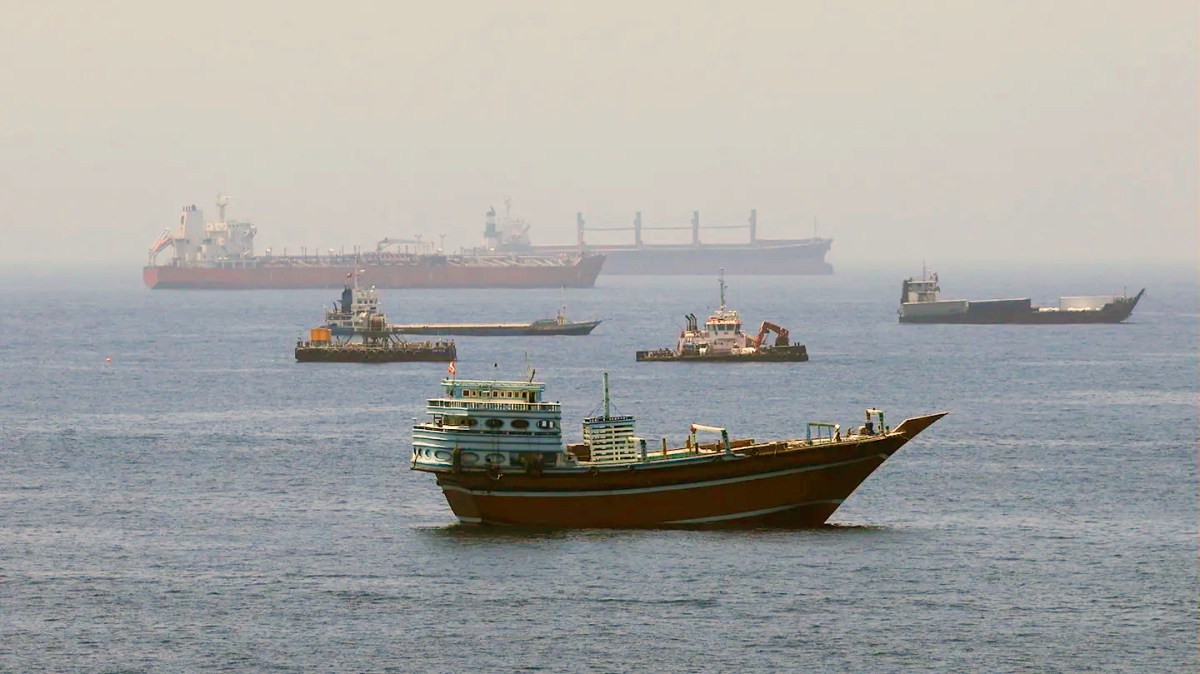
Oman and the United Nations’ International Maritime Organization are formalizing a plan to move hundreds of vessels still trapped in and around the Persian Gulf after Iran closed the Strait of Hormuz following attacks by the United States and Israel earlier this year. The effort does not amount to a return to normal shipping. Instead, it is an attempt to create a tightly managed, temporary transit system through one of the world’s most strategically important and most volatile waterways.
According to the source material, Omani authorities said the new arrangement is meant to preserve freedom of navigation while giving ships an option to move through a defined maritime corridor coordinated with the IMO. The plan is being framed as a large-scale evacuation effort rather than a commercial reopening. That distinction matters. It signals that governments and maritime authorities still see the area as unsafe for routine passage, even if a limited movement of vessels is now becoming possible.
The Strait of Hormuz links the Persian Gulf to the Gulf of Oman and the Arabian Sea. It is one of the world’s central energy and trade chokepoints, and any disruption there has immediate global consequences. The closure left a large number of ships stranded and created a backlog that now requires coordination across coastal states, shipping operators, and security partners. The latest guidance suggests officials are trying to reduce that backlog without implying that the broader crisis has been resolved.
Two routes, two security environments
The emerging transit concept reflects the fragmented security reality in the strait. The IMO said there are two routes available for ships. One lies to the north, close to the Iranian shoreline and under Iranian control. The other lies to the south, along the Omani coast and coordinated with U.S. authorities. The southern route appears to be the preferred path in the current plan, but the very existence of split routing underscores how politically and militarily contested the waterway remains.
That split also illustrates the operational challenge. A corridor on paper is only useful if shipowners, insurers, naval forces, pilots, and port operators believe it can be used without unacceptable risk. Even with a route designated, merchant traffic will not immediately snap back to prewar volumes. The source text explicitly notes that traffic is increasing, but also that there is still a long way to go before normal transit levels return.
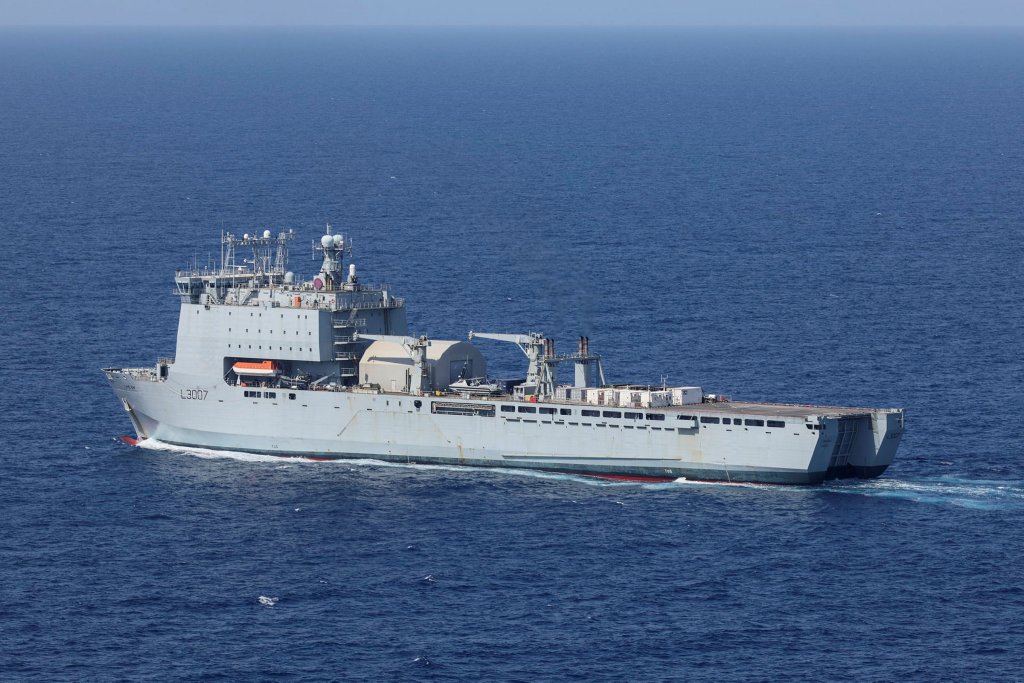
One of the biggest reasons is uncertainty over hazards in the water. The report highlights the possible presence of mines as a continuing obstacle. Mine risk changes the economics and the tempo of shipping. It can force slower movement, specialized escorts, route surveying, and a much more cautious approach from operators already weighing security and insurance costs. Even if a mine threat is only suspected, that alone can limit how quickly confidence returns.
Why the operation is being called an evacuation
The IMO’s use of the word “evacuation” is notable because it implies an emergency extraction of trapped commercial traffic, not a managed reopening for ordinary trade flows. That language captures the scale of the disruption. Hundreds of ships have been waiting for a way out, and each delayed vessel represents tied-up cargo, disrupted supply chains, and financial pressure across multiple sectors.
From an operational standpoint, an evacuation approach allows authorities to sequence movements, prioritize safety, and coordinate with states whose naval and political roles differ sharply. Oman said ships willing to transit must coordinate with the IMO. That requirement points to centralized traffic management rather than a simple advisory. It also suggests that movement through the corridor may be phased and conditional, especially while peace negotiations between Washington and Tehran remain tense and incomplete.
The plan further depends on broad cooperation. The source material says the operation will be carried out in close coordination with Iran, Oman, other coastal states, the United States, and the maritime industry. That is a large and awkward coalition. Its importance lies less in formal unity than in practical deconfliction. If even limited transit is to happen safely, military, diplomatic, and commercial actors need a shared understanding of timing, routing, and acceptable behavior inside the corridor.
Global trade implications remain significant
Even a partial restoration of movement through Hormuz matters well beyond the Gulf. The strait is central to global energy shipping, and interruptions there ripple outward into freight markets, tanker availability, insurance rates, and commodity pricing. The source text does not quantify those effects, but the emphasis on the waterway’s importance to the global economy makes clear why Oman is presenting the corridor as both a regional duty and an international necessity.
For shipping companies, the near-term question is not whether Hormuz is technically open or closed, but whether transit conditions are predictable enough to plan around. A temporary corridor may help answer that by establishing a controlled mechanism for movement. Still, controlled movement is not the same as commercial confidence. Operators will be watching whether initial passages occur without incident, whether traffic can scale, and whether guidance remains stable over several days and weeks.
The political backdrop is equally important. The report ties the new corridor effort to ongoing peace negotiations between the United States and Iran. That means maritime operations are now linked directly to the durability of a diplomatic process that remains fragile. A setback in talks could quickly change the security picture at sea, while even modest diplomatic progress could expand the scope for further transit.
What to watch next
The immediate test will be execution. Maritime authorities have announced the framework, but the real measure will be whether ships begin moving through the corridor in meaningful numbers and whether the backlog starts to shrink. The pace of movement, any signs of naval escort or route clearance, and any additional guidance from Oman or the IMO will determine whether this remains an emergency workaround or becomes the basis for a broader reopening.
For now, the signal from the latest announcements is cautious but consequential. The shipping freeze at Hormuz is no longer being treated as a static impasse. Governments and maritime institutions are attempting to turn a closed chokepoint into a controlled exit route for stranded vessels. That is a meaningful shift. But it is still a shift inside a conflict environment, not a return to stable peacetime commerce.
- The plan centers on a temporary corridor coordinated by Oman and the IMO.
- Authorities are treating the operation as an evacuation of stranded ships, not a full reopening.
- Possible mines, divided route control, and unresolved U.S.-Iran tensions remain major constraints.
This article is based on reporting by twz.com. Read the original article.
Originally published on twz.com