Welcome to Bunker Talk
Every week, The War Zone opens its digital doors to the finest commenting crew on the internet for Bunker Talk, a weekend open discussion thread. It's a space where we can chat about the stories that shaped the week, the ones we missed, or anything else that piques your interest. Think of it as an off-topic lounge where military enthusiasts, defense nerds, and curious minds converge.
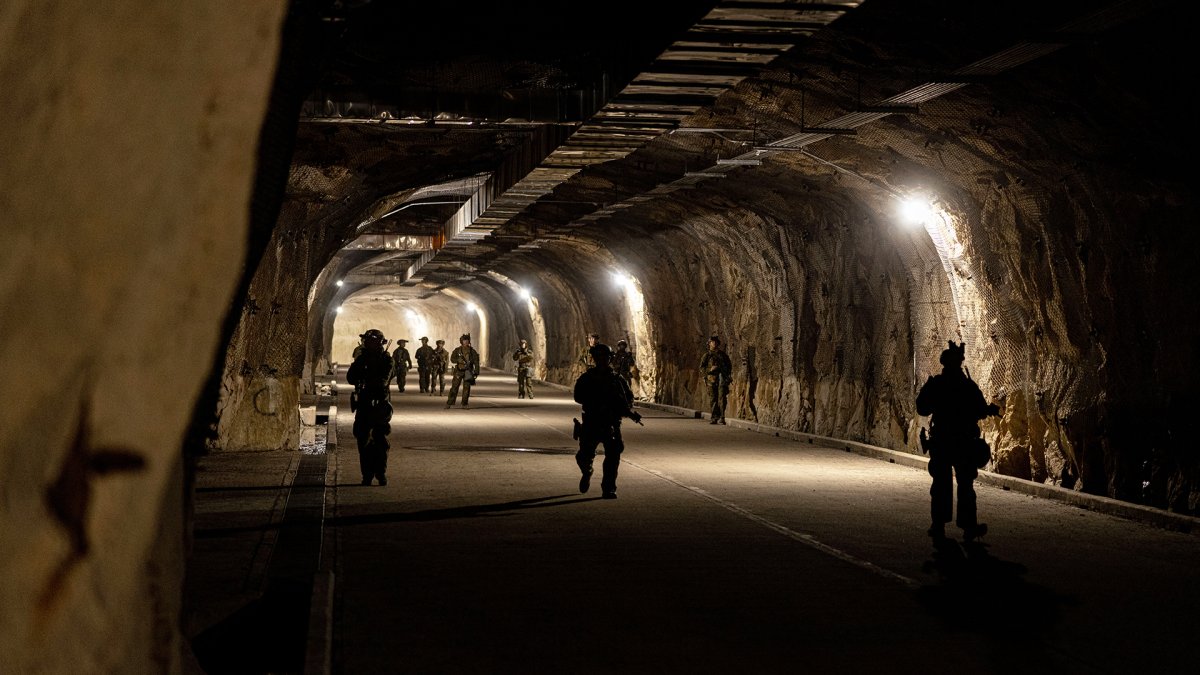
This week's edition is anchored by a striking image: U.S. Marines with 3d Reconnaissance Battalion, 3d Marine Division, navigating an underground tunnel during the Korean Marine Exercise Program (KMEP) 25.1 at Camp Stanley, South Korea. The photo, captured by Lance Cpl. Kendrick Jackson, offers a glimpse into the gritty, high-stakes training that defines modern amphibious warfare.
The Korean Marine Exercise Program: A Closer Look
KMEP is a semi-annual exercise designed to strengthen the interoperability between Republic of Korea Marine Corps and U.S. Marine Corps units. The program provides iterative opportunities for both forces to train together, honing combined capabilities to deter threats and maintain peace on the Korean Peninsula.
The tunnel warfare segment is particularly demanding. It requires Marines to operate in confined, low-visibility environments, testing their navigation, communication, and close-quarters combat skills. Such training is essential for readiness in a region where underground facilities and tunnels could play a strategic role in any conflict.
By exercising together, U.S. and ROK Marines build trust and refine tactics that would be crucial in a real-world scenario. The program underscores the enduring alliance between the two nations and their shared commitment to regional stability.
Community Guidelines: Keeping the Discussion Civil
Bunker Talk is more than just a comment thread; it's a community. To ensure it remains a welcoming space for all, we've established a set of prime directives. Political discussions are allowed, but they must be conducted respectfully. We encourage sticking to facts and avoiding personal attacks or name-calling. If you can't handle that, we suggest discussing virtually anything else.
We have zero tolerance for drive-by political memes, conspiracy theories, or links to crackpot sites. Trolling and shitposting are not permitted, and we ask that you avoid obsessive behavior toward other users. If you don't like someone, use the mute button. Don't feed the trolls—that's as much on you as it is on them.
Moderation is a collective effort. We rely on our community to report offenders, not those who disagree with you, but those who violate these guidelines. By working together, we can maintain a high-quality discussion environment.
Why Bunker Talk Matters
In an era of polarized online discourse, Bunker Talk stands out as a bastion of reasoned conversation. It's a place where military professionals, enthusiasts, and casual readers can exchange ideas without descending into chaos. The topics range from the latest in stealth technology to the geopolitical implications of defense budgets, and sometimes even lighter fare.
The open-ended nature of Bunker Talk allows for serendipitous discoveries. A comment about a obscure Cold War-era aircraft might spark a thread on the evolution of electronic warfare. A question about naval tactics could lead to a deep dive into the challenges of anti-submarine warfare in the Pacific.
For the editorial team at The War Zone, Bunker Talk is also a valuable feedback loop. We gauge what resonates with our audience, what questions remain unanswered, and what stories deserve deeper coverage. It's a direct line to the community we serve.
This Week's Uncovered Stories
While we strive to cover the most pressing developments in military technology and strategy, there's always more happening than we can report on. Bunker Talk is the perfect venue to highlight some of those stories. From the latest drone innovations to the evolving role of cyber warfare, our readers often bring up topics that deserve more attention.
For instance, recent discussions have touched on the implications of artificial intelligence in autonomous weapons systems, the logistics challenges of Arctic operations, and the resurgence of long-range artillery. These are complex issues that benefit from the collective expertise of our commenters.
We encourage you to share your insights, ask questions, and engage with others who share your passion for defense and technology. The best comments often lead to follow-up articles or even corrections to our reporting.
How to Get the Most Out of Bunker Talk
To make the most of Bunker Talk, we recommend a few simple practices. First, read the guidelines and abide by them. Second, be specific in your comments—vague statements rarely generate meaningful discussion. Third, cite sources when making factual claims. This elevates the conversation and helps others verify information.
Don't be afraid to ask questions, even if they seem basic. The community is generally welcoming and eager to share knowledge. And if you see a comment that adds value, upvote it. Recognition encourages quality contributions.
Finally, remember that Bunker Talk is a weekly tradition. Mark your calendars and join us every weekend for a new edition. Whether you're a long-time reader or a first-time visitor, you'll find a community that values substance over noise.
Looking Ahead
As we close this week's Bunker Talk, we look forward to the discussions that will unfold. The photo of Marines in that tunnel is a powerful reminder of the sacrifices and preparations that underpin our security. It's a testament to the professionalism and dedication of the men and women who serve.
We invite you to share your thoughts on the exercise, the broader geopolitical situation, or any other topic that's on your mind. The floor is yours.
Until next time, keep the conversation civil, keep it informed, and keep it interesting.
This article is based on reporting by twz.com. Read the original article.
Originally published on twz.com