Introduction to the Trump-Class Program
The United States Navy is reportedly planning a new class of nuclear-powered warships that could fundamentally alter the balance of naval power. Dubbed the "Trump-class," these vessels are envisioned as massive 41,000-ton behemoths, each potentially costing as much as $23 billion for the lead ship. The entire program, if fully realized, may exceed $275 billion, making it one of the most expensive military undertakings in modern history. This ambitious initiative signals a strategic shift toward larger, more capable surface combatants, but it also raises critical questions about affordability, mission relevance, and industrial capacity.
Scale and Specifications
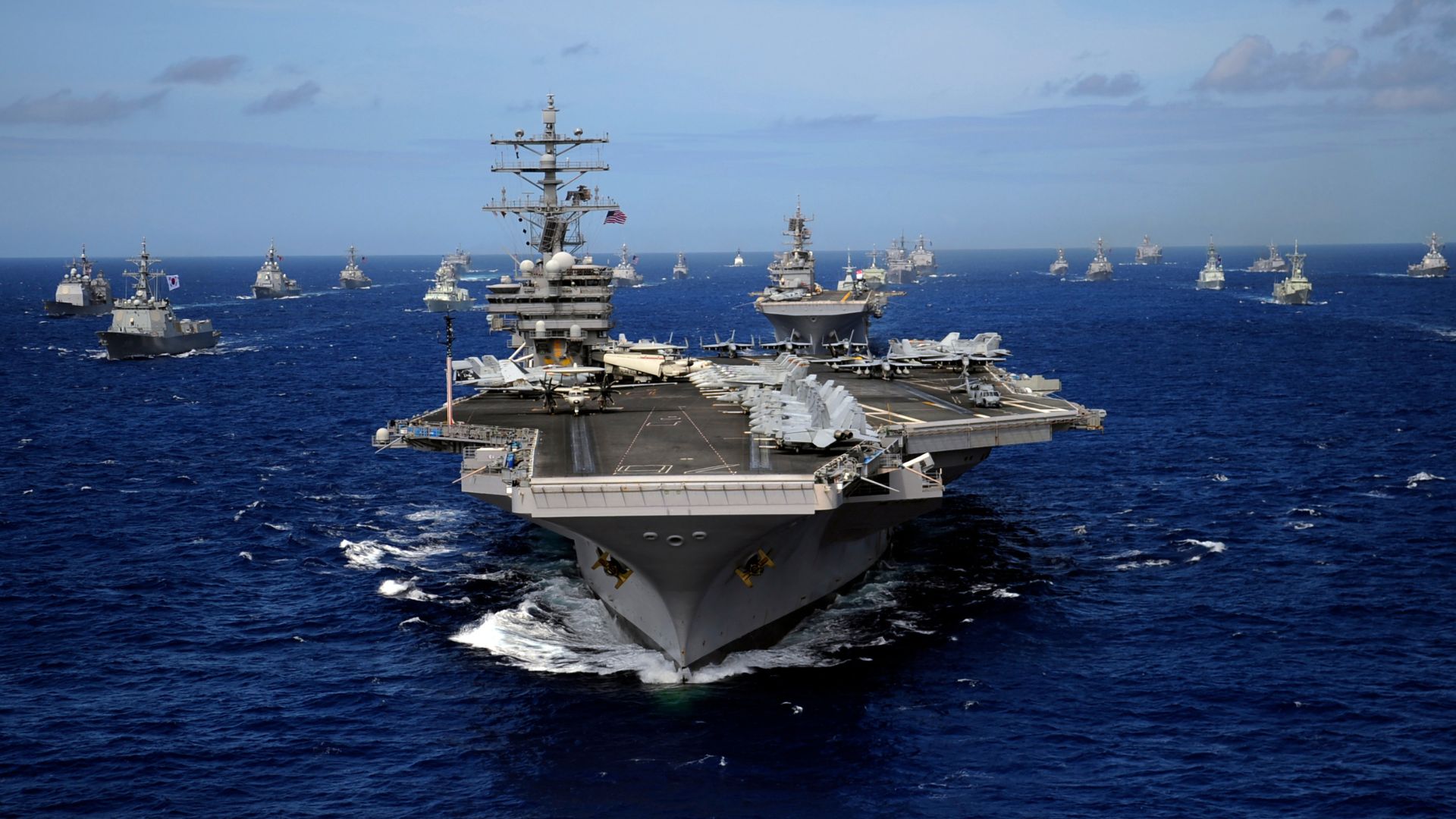
At 41,000 tons, the Trump-class would dwarf existing surface warships. For comparison, the U.S. Navy's current Zumwalt-class destroyers displace around 15,000 tons, while the Ticonderoga-class cruisers are approximately 9,600 tons. Even the largest surface combatants in the world, such as Russia's Kirov-class battlecruisers (around 28,000 tons), would be smaller. The sheer size of the Trump-class suggests a return to the concept of the battleship, but with modern nuclear propulsion and advanced weaponry. The nuclear power plant would provide virtually unlimited range and endurance, allowing the vessel to operate globally without the need for frequent refueling. This would enable sustained presence in critical regions such as the South China Sea or the Atlantic, projecting power far from home ports.
Cost Breakdown and Program Implications
The projected costs are staggering. The lead ship, which includes research, development, and initial production tooling, is estimated at $23 billion. Subsequent ships in the class may cost less, but with a planned fleet of potentially 12 or more vessels, the total program cost could reach $275 billion. This figure includes not only construction but also lifecycle maintenance, crew training, and eventual decommissioning. To put this in perspective, the entire U.S. Navy's annual shipbuilding budget is roughly $20-30 billion, meaning the Trump-class program would consume a significant portion of the budget for over a decade. Such an investment would inevitably force trade-offs, potentially delaying other critical programs like the Columbia-class submarines or the next-generation frigate program.
Strategic Rationale
Why would the Navy pursue such a costly and massive vessel? Proponents argue that the Trump-class would serve as a versatile platform for a wide range of missions, from power projection and missile defense to command and control. Its size would allow for the integration of advanced sensors, directed-energy weapons, and perhaps even hypersonic missiles. The nuclear propulsion would enable high-speed transits and sustained operations without logistical constraints. In an era of great-power competition, the United States may seek to field a vessel that can dominate the seas and deter adversaries like China and Russia. The Trump-class could also serve as a floating command center, coordinating fleet operations and providing a secure communication hub.

Challenges and Criticisms
However, the program faces significant challenges. Critics point out that such a large ship would be a high-value target, requiring extensive escort and defense systems. Its size might also make it less maneuverable in littoral waters, limiting its utility in close-to-shore operations. Moreover, the cost could be prohibitive, especially given the Navy's existing budget constraints and the need to modernize other parts of the fleet. There are also concerns about industrial capacity: building a ship of this size would require major upgrades to existing shipyards, and the workforce would need to be expanded and trained. The timeline for delivery could stretch over many years, potentially delaying the ship's availability at a time when the Navy is already stretched thin.
Historical Context
The idea of a large, nuclear-powered surface combatant is not new. During the Cold War, the U.S. Navy operated the USS Long Beach (CGN-9), a nuclear-powered cruiser, and the USS Enterprise (CVN-65), a nuclear-powered aircraft carrier. More recently, proposals for a "arsenal ship" or a "battlecarrier" have surfaced, but none have come to fruition. The Trump-class, if built, would represent a bold return to the concept of the capital ship, but in a modernized form. It would also be a testament to American industrial might and technological prowess, but it remains to be seen whether the nation is willing to pay the price.
Future Outlook
As of now, the Trump-class program is still in the planning stages, with no official contract awarded. The Navy is likely to conduct further studies and refine the requirements before committing to construction. The final design may evolve, and costs may change. However, the mere fact that such a program is being considered indicates a shift in naval thinking. The future of naval warfare may indeed be dominated by a few very large, highly capable ships, rather than a larger number of smaller vessels. Whether this is a wise investment or a costly gamble remains to be seen. What is clear is that the Trump-class program, if realized, would have profound implications for the U.S. Navy, the defense industry, and global maritime security.
Conclusion
The proposed Trump-class nuclear warship program represents a monumental leap in naval capability and cost. With a price tag that could exceed $275 billion, it is a bet on the future of sea power. While the strategic rationale is compelling, the financial and technical hurdles are immense. The Navy and Congress will need to carefully weigh the benefits against the costs, and consider alternative approaches. As the program moves forward, it will be closely watched by allies and adversaries alike. The outcome could reshape the U.S. Navy for decades to come.
This article is based on reporting by Interesting Engineering. Read the original article.
Originally published on interestingengineering.com