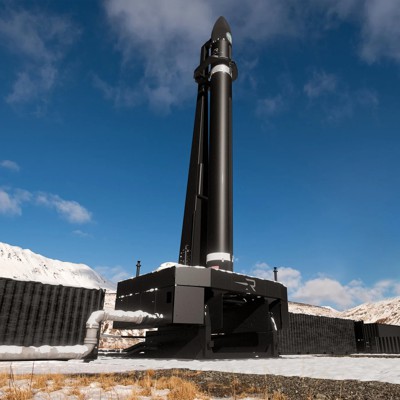
Rocket Lab’s Alaska move gives the Pentagon a possible new launch valve
Rocket Lab’s plan to begin suborbital launches from the Pacific Spaceport Complex-Alaska is drawing attention well beyond the company’s immediate missile-defense work. The move, outlined alongside a new Space Force launch contract, points to a broader strategic possibility: Alaska could become part of the answer to one of the Pentagon’s most persistent space problems, the growing congestion at America’s two main military launch hubs.
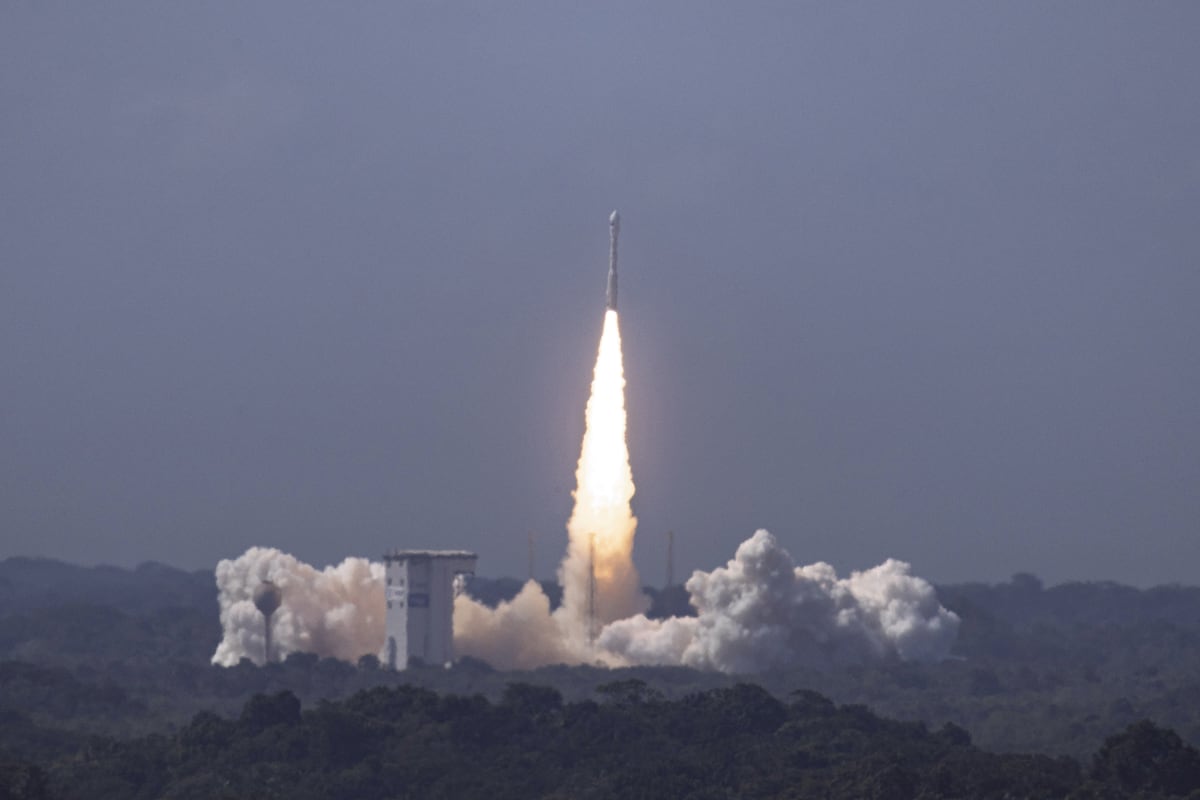
According to Defense One, the Space Force’s acquisitions arm announced a $266 million multi-launch contract for Rocket Lab covering 12 to 18 launches. Those missions are set to begin this year and will primarily use a new Rocket Lab location at the Pacific Spaceport Complex-Alaska in Kodiak. The work will be carried out by HASTE, a suborbital version of Rocket Lab’s Electron rocket designed for missile-defense missions.
On its face, that is a contract story about a defined set of launches. But the significance lies in what the company says comes next. Rocket Lab told Defense One that HASTE and Electron rely on the same launch infrastructure, meaning that operations in Alaska could eventually support more than just suborbital test missions. In practical terms, building out a functioning launch presence there could create a pathway toward orbital launch activity as well.
That possibility matters because U.S. military launch demand is rising faster than existing infrastructure appears able to absorb. Senior Space Force officials and lawmakers have been increasingly vocal about the risk that Cape Canaveral in Florida and Vandenberg in California will become chokepoints. Defense One reported that the Space Force expects to conduct more than 100 launches a year within five years and potentially thousands annually by 2036.
Those figures help explain why even a limited new launch site can attract outsized interest. The Pentagon is not simply looking for more rockets. It also needs more places to launch them, more operational flexibility, and less dependence on a narrow set of coastal ranges that already support a heavy mix of military, civil, and commercial activity.
Why Alaska stands out
Alaska’s appeal is not just that it adds another pin on the map. Analysts cited by Defense One argue that it could provide two advantages at once. First, it diversifies U.S. launch operations away from the country’s two dominant ranges. Second, its geography is well suited to missions requiring access to polar or high-inclination orbits, which are often important for national-security payloads.
Clayton Swope of the Center for Strategic and International Studies’ Aerospace Security Project framed that case directly, saying an Arctic national-security launch site would both reduce range bottlenecks and better support launches to polar orbits. That combination makes Alaska more than a backup location. It could fill a different operational niche from the better-known East and West Coast sites.
For military planners, that distinction matters. If every new launch provider must still compete for time and infrastructure at the same overcrowded facilities, then rocket competition alone will not solve the throughput problem. A new range with a different orbital profile offers a structural fix, not just incremental capacity.
Rocket Lab also emphasized that the systems, infrastructure, and experience it develops in Alaska would not be useful only there. That suggests the company sees Kodiak as part of a broader effort to expand its launch flexibility and operational maturity across multiple sites. In military space, that kind of portability is valuable because resilience increasingly depends on spreading operations across more locations rather than concentrating them in a few high-demand bases.
What the contract says about the market
The timing is also notable. The Space Force contract gives Rocket Lab a concrete role in missile-defense-related launches while reinforcing the company’s position as more than a small commercial launch provider. HASTE missions are not headline-grabbing in the way major satellite deployments can be, but they serve a defense need that is increasingly central: rapid, repeatable test support tied to missile threats and advanced defense architectures.
By linking those missions to a new Alaskan site, the government and contractor are effectively testing both a vehicle and a venue. If the launches proceed smoothly, Alaska’s case for broader national-security use becomes stronger. If they do not, the concept of geographic diversification will remain compelling, but the timeline could stretch.
The Pentagon has already been signaling that launch-site scarcity is becoming a strategic issue in its own right. Defense One noted that the concern is no longer theoretical. Military launch demand is projected to grow sharply, and U.S. officials have warned that infrastructure, staffing, and range processes will all have to scale with it. That is why an additional site, even one beginning with suborbital missions, can draw serious policy interest.
A small step with larger implications
Nothing in the current announcement guarantees that Alaska will become a major orbital launch center for national-security missions. The immediate work is focused on suborbital HASTE launches, and the available reporting does not claim that a transition to orbital missions has already been approved or scheduled. But the underlying logic is clear: if the same infrastructure can support broader operations, then the Pentagon has an opportunity to grow new capacity where it may need it most.
The bigger shift here is conceptual. For years, debates over U.S. space launch capacity have focused heavily on rockets, providers, and procurement. Rocket Lab’s Alaska plan highlights that geography is just as important. The military can buy more launches, but if they all have to pass through the same constrained corridors, growth will still hit a ceiling.
Alaska does not erase that problem on its own. What it offers is a credible test case for decentralizing national-security launch operations while aligning them more closely with mission requirements such as polar access. In a period when the Space Force expects launch activity to expand dramatically, that combination may prove more important than any single contract value attached to the initial missions.
This article is based on reporting by Defense One. Read the original article.
Originally published on defenseone.com