Pentagon signals drones may outrank legacy systems in budget squeeze
The Pentagon could cut back on expensive traditional weapon systems in order to protect drone and autonomous-weapons spending if a major reconciliation package fails to pass Congress, according to comments from Under Secretary of Defense for Research and Engineering Emil Michael reported in the supplied source text. The message is blunt: if the money does not materialize, the department is prepared to make trade-offs against “exquisite weapons and systems” to preserve its push for lower-cost autonomous capabilities.
That statement matters because it goes beyond a routine budget warning. It suggests a hierarchy of modernization priorities inside the department, with drones and other AI-enabled autonomous systems increasingly treated not as optional experiments but as core future capability. In that sense, the budget discussion is also a strategic one. It is about what the Pentagon believes it can no longer afford to leave behind.
The funding fight behind the warning
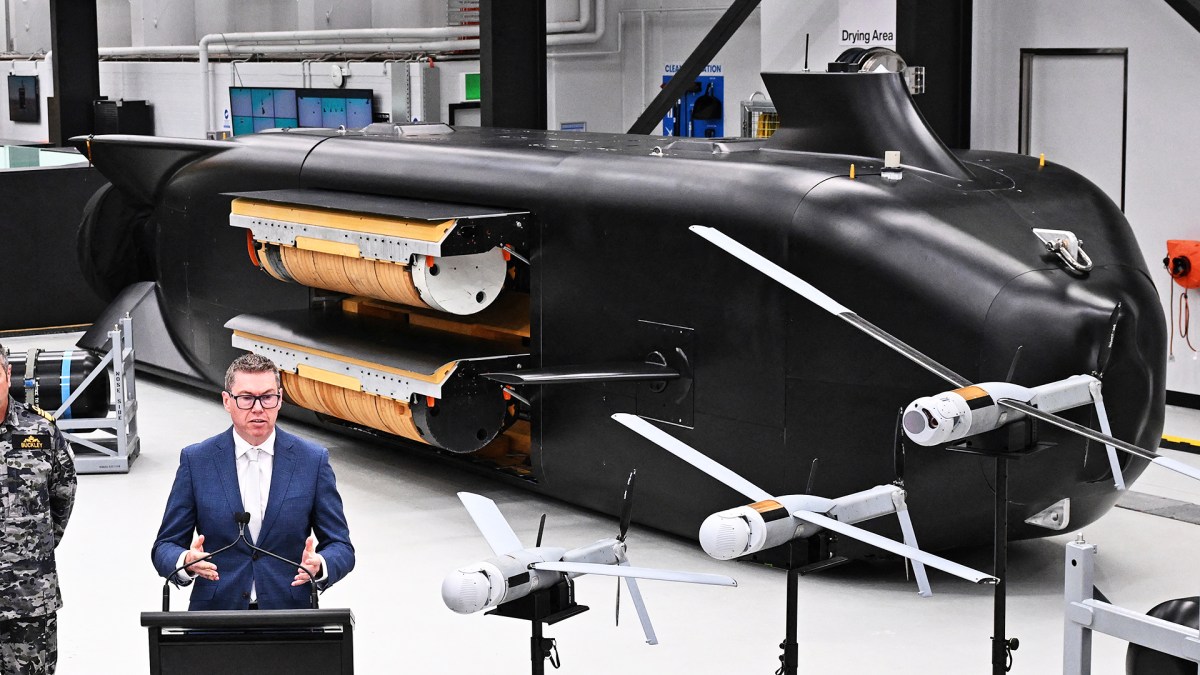
The source text says the White House’s fiscal 2027 defense plan came in two parts: $1.15 trillion in base discretionary funding and $350 billion in reconciliation funding. Michael said that package includes a “big chunk” for autonomous systems, including drones, mine-detection systems, and what he has called an “AI arsenal.” If Congress does not approve the reconciliation portion, the Pentagon, he warned, will not be able to buy as much or move as fast on those efforts.
That structure has already drawn concern from lawmakers. By placing many modernization efforts, including drones and munitions, in the reconciliation bucket rather than the base budget, the department has effectively tied key future programs to a politically uncertain path. The article notes that key Republican appropriators signaled skepticism on June 9 about whether a defense reconciliation agreement could pass in the Senate, setting off criticism from President Donald Trump, who called on Republicans to advance the proposed $350 billion bill.
Why drones are being protected
Michael’s comments reveal how far the drone argument has advanced within Pentagon leadership. In earlier phases of US defense planning, autonomous and attritable systems were often described as supplements to major platforms. Now, at least in this public framing, they are approaching protected status. The logic is partly economic and partly operational.
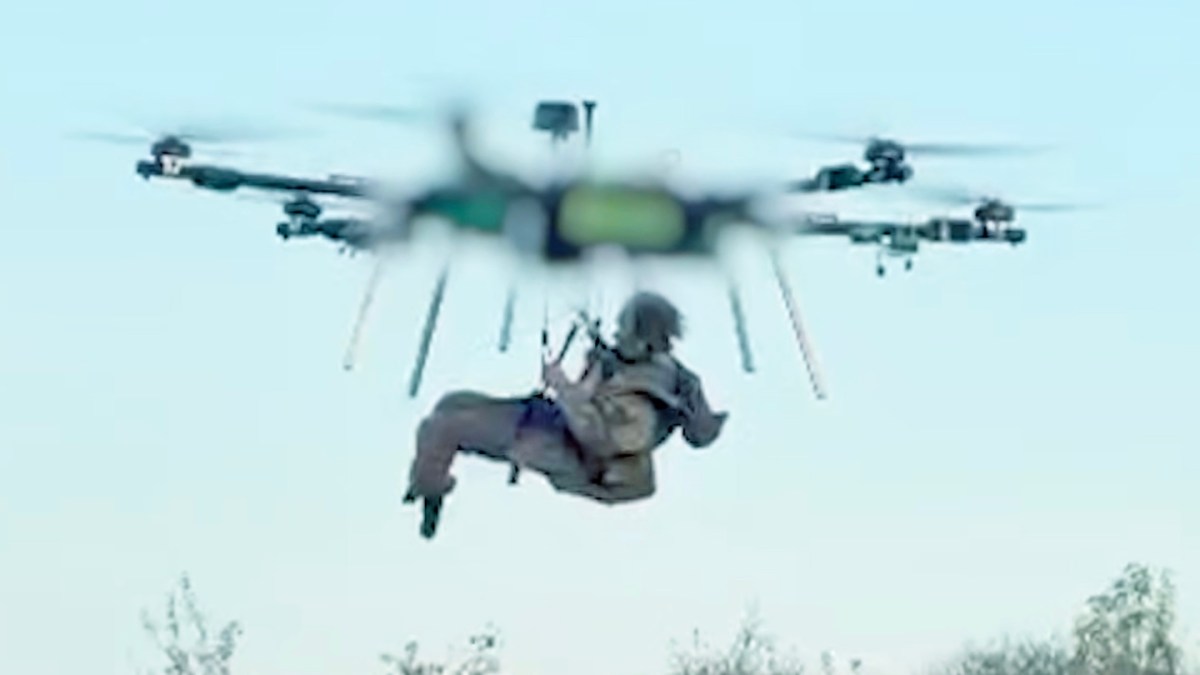
Low-cost autonomous weapons promise scale. They can be fielded in greater numbers, adapted more quickly, and potentially lost at lower cost than manned or highly exquisite systems. That matters in a strategic environment where military planners increasingly worry about large-scale conflict, massed attacks, and the need to distribute combat power more widely.
The Pentagon has spent years confronting a simple tension: its most advanced traditional systems are often extraordinarily capable, but also expensive, slow to procure, and difficult to expand in quantity. Drones and autonomous systems offer a different model, one built on volume, software iteration, and lower unit cost. Michael’s remarks suggest that when forced to choose, the department may now prefer more autonomous capacity over more legacy prestige platforms.

A shift in the modernization balance
This is not merely a budget-management story. It points to a shift in the balance of what counts as a military priority. When a senior official says he is prepared to sacrifice some traditional systems in favor of low-cost autonomous weapons, he is effectively arguing that future warfighting value lies increasingly in affordability, adaptability, and scale.
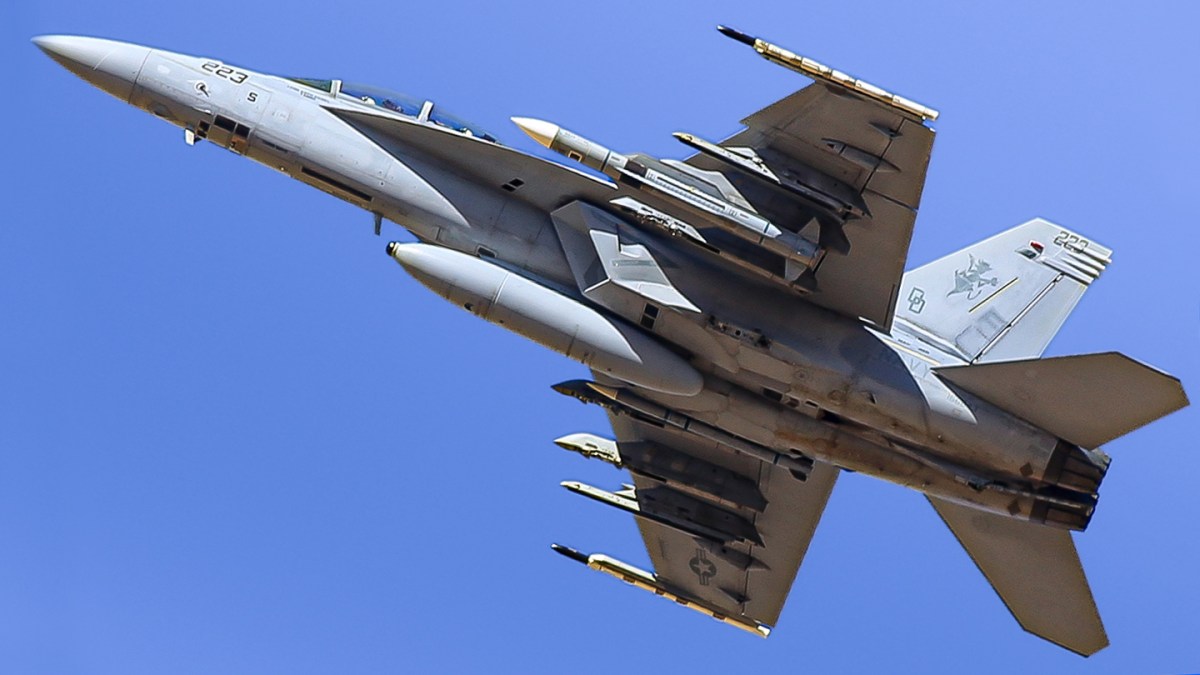
That does not mean tanks, aircraft, ships, or other conventional systems stop mattering. It means the Pentagon appears more willing to question how much of its budget should remain tied to platforms that consume large resources while delivering relatively limited numbers. The phrase “exquisite weapons and systems” has become shorthand in defense debates for precisely that concern.

Congress remains the gatekeeper
Michael acknowledged in the supplied text that Congress controls appropriations and emphasized the department’s willingness to make its case directly to lawmakers. That is more than procedural courtesy. It reflects the reality that this strategic reprioritization will only go so far if Congress resists it. Lawmakers often protect industrial bases, jobs, regional programs, and legacy capabilities even when Pentagon leaders argue for different spending mixes.
The tension is therefore likely to persist. Autonomy advocates inside the department are making a strategic case for speed and scale. Members of Congress may accept parts of that case while still resisting cuts to established systems or questioning the wisdom of putting so much modernization funding into reconciliation.
The broader defense trend
The article’s significance extends beyond one budget cycle. Across many militaries, the war in Ukraine and broader advances in autonomy have intensified interest in cheap, numerous, and software-driven systems. Drones are no longer niche tools; they are changing reconnaissance, strike options, logistics, and battlefield economics. The United States is trying to respond, and Michael’s remarks imply the response will not be confined to adding drones on the margins.
If the Pentagon follows through on this logic, future budgets may increasingly present a stark choice between fewer, costlier systems and larger fleets of autonomous ones. That is a debate with industrial, political, and strategic consequences far beyond the reconciliation process now in question.
The takeaway
In public, senior Pentagon officials rarely describe trade-offs this directly. Michael did. His comments show that drones and AI-enabled autonomous systems are moving toward the center of US defense planning, to the point that traditional programs may be cut back to protect them. Whether Congress agrees is still unresolved. But the priority signal is unmistakable: in a constrained budget environment, the Pentagon is preparing to defend autonomy first.
This article is based on reporting by Breaking Defense. Read the original article.
Originally published on breakingdefense.com