A key missile still moving toward service entry
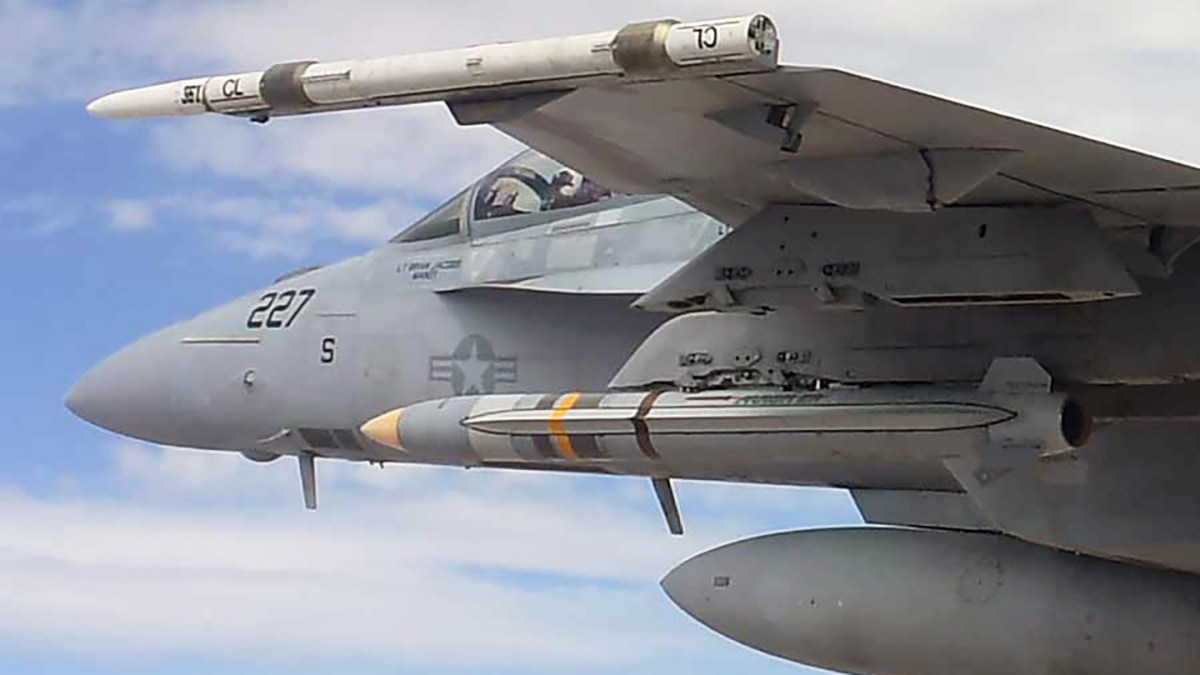
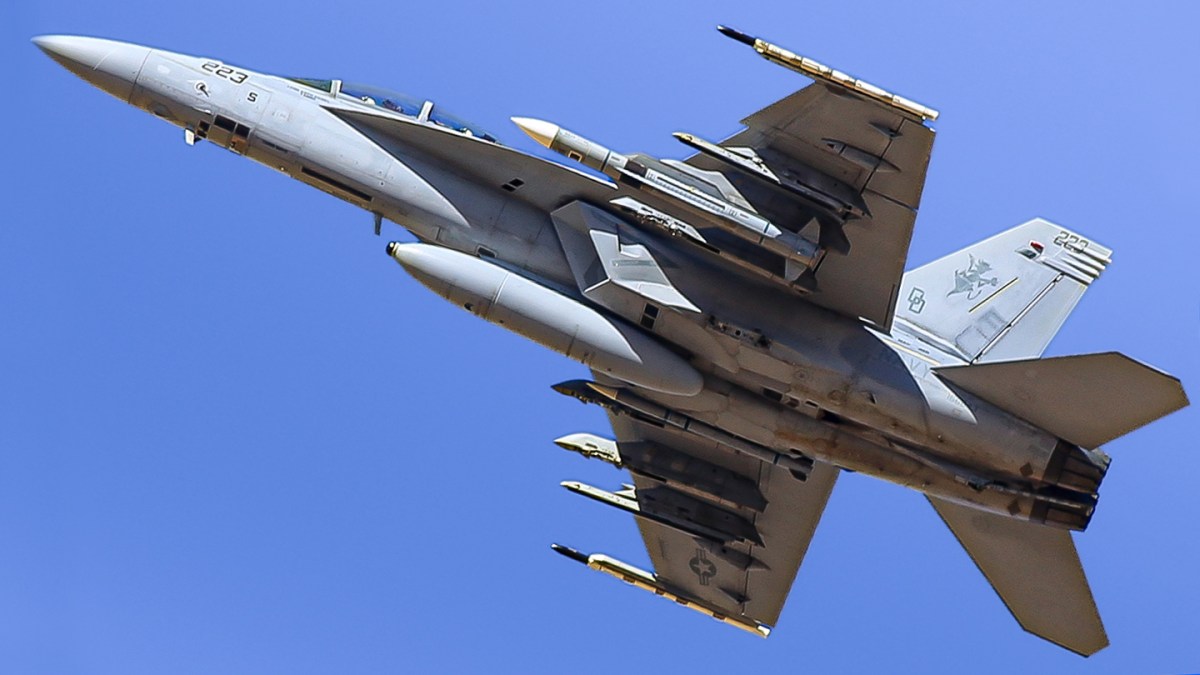
The US Navy says it remains on track to field the AGM-88G Advanced Anti-Radiation Guided Missile-Extended Range, or AARGM-ER, in September 2026, despite a planned pause in procurement during fiscal 2027. That combination of near-term operational ambition and short-term buying restraint has made the program one of the more closely watched munitions stories in naval aviation.
AARGM-ER is designed to give carrier air wings a stronger ability to attack hostile integrated air defense systems. That mission has become more important as potential adversaries field denser, longer-range, and more networked air defense architectures. In any conflict where US aircraft must operate in heavily contested airspace, suppressing or destroying enemy radars and associated defenses is a prerequisite for broader freedom of action.
The missile has been in development since the late 2010s, with Northrop Grumman as prime contractor through its acquisition of Orbital ATK. The Navy has already ordered dozens of rounds. That is why the absence of procurement funding in the service’s proposed fiscal 2027 budget drew immediate attention.
Why the “strategic pause” raised alarms
On its face, a pause in missile purchases can mean several different things. It can reflect budget pressure, industrial bottlenecks, unresolved technical issues, a software maturity problem, or a deliberate decision to stop buying until testing is complete. In AARGM-ER’s case, the Navy says the pause is tied to the last of those factors.
A Navy spokesperson told The War Zone that US procurement will resume after the system completes the necessary testing and software updates. The immediate priority, according to the service, is meeting the milestones required for Initial Operational Capability in September 2026. After that validation work, the Navy says it intends to ramp production back up and clear a backlog of more than 150 missiles, with US procurement officially restarting in fiscal 2028.
That explanation provides more clarity than the budget alone did, but it does not erase concern. Programs that encounter testing and software problems often discover that schedule recovery is harder than planned, particularly when the weapon in question is intended for a demanding suppression-of-enemy-air-defenses role.

Why AARGM-ER matters strategically
The missile is not just another line item in the precision weapons inventory. It is part of the Navy’s response to a harder operational reality. Carrier aviation must be able to survive against modern radar networks, long-range surface-to-air missiles, and mobile air defense systems that are more capable than the threats earlier generations of anti-radiation missiles were built to counter.
AARGM-ER is meant to expand both range and survivability in that mission set. A stronger stand-in or stand-off anti-radiation capability helps aircraft neutralize defenses before those defenses can threaten larger strike packages. That has direct consequences for operational tempo, risk to pilots, and the viability of naval air power in a Pacific conflict scenario or other high-end contingency.
Those stakes help explain why the Navy is pushing to field the missile even while temporarily halting new domestic procurement. The service appears to view IOC as too important to defer, provided the remaining testing and software work can be completed successfully.
Foreign sales keep the line active
An important detail in the Navy’s explanation is that fiscal 2027 production will not stop entirely. Instead, it will be directed to Foreign Military Sales for five signed international cases. The Navy did not identify the customers in its statement, but Italy is a development partner on the AGM-88G, and the US government has previously approved sales to Australia, Finland, and the Netherlands. Norway has also publicly announced interest.
That matters for two reasons. First, it helps preserve production momentum during the US buying pause. Second, it shows that allied demand for advanced anti-radiation capability remains strong even amid questions about the missile’s testing path. International participation can help sustain manufacturing continuity, but it also raises expectations that the Navy will resolve the outstanding software and validation issues without a broader program reset.
The risks ahead
The Navy’s message is clear, but the path remains narrow. To reach IOC in September, AARGM-ER has to clear the remaining testing hurdles and software updates on schedule. If that slips, the program could face a more awkward dynamic: a fielding goal missed, US procurement paused, and allied deliveries continuing in the interim.
The central risks are familiar in advanced munitions development:
- Software immaturity that affects guidance, targeting, or system integration
- Testing delays that compress decision windows
- Budget scrutiny intensified by perceived instability
- Production inefficiencies if ramp-up resumes later than expected
None of those outcomes is inevitable, but they are the reasons procurement gaps are rarely read as neutral events in Washington or in the defense industrial base.
A program at an inflection point
The AARGM-ER story is now less about whether the missile is needed than whether the Navy can transition it cleanly from development into credible service use. The service’s insistence that IOC is still coming in 2026 suggests institutional confidence. The procurement pause suggests that confidence is conditional on hard technical milestones being met first.
That is a defensible position if the remaining issues are contained and fixable. It is harder to sustain if new problems emerge. For now, the Navy is trying to hold both ideas at once: the weapon is strategically important enough to field this year, and not mature enough to justify new domestic buys next year.
How that balance resolves will determine whether AARGM-ER becomes a case study in disciplined acquisition correction or another reminder that the final stretch of weapons development is often the most revealing. By September, the Navy expects to have its answer.
This article is based on reporting by twz.com. Read the original article.

Originally published on twz.com