Marines experiment with airborne control of low-cost drones
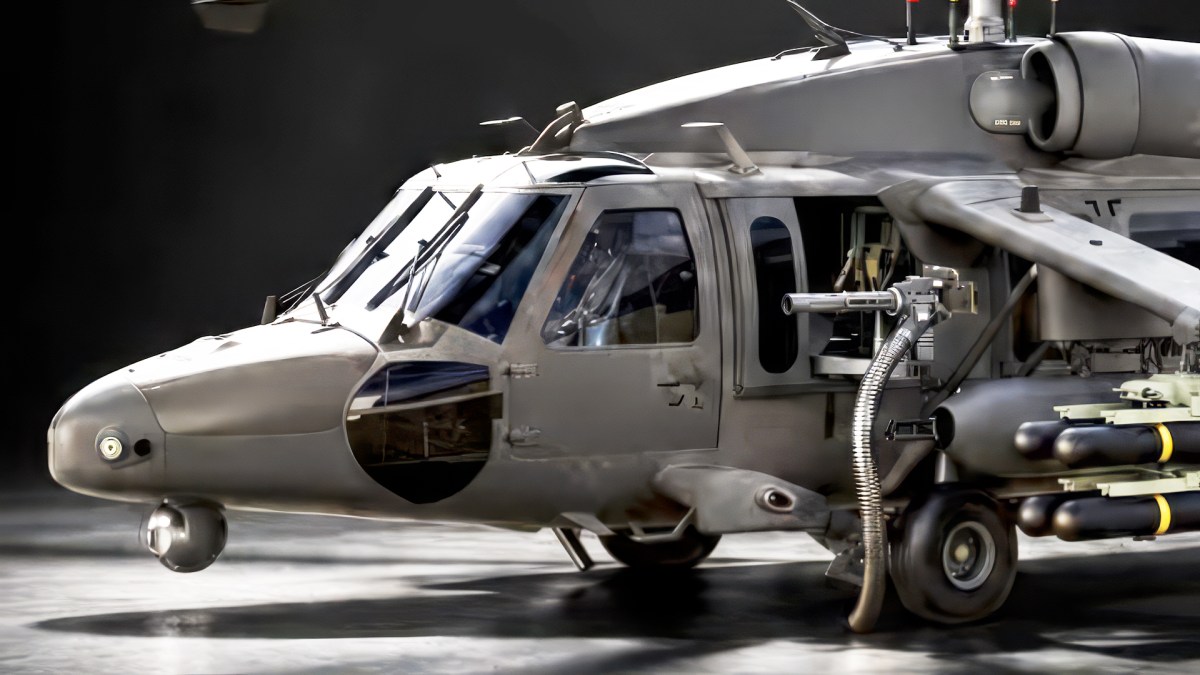
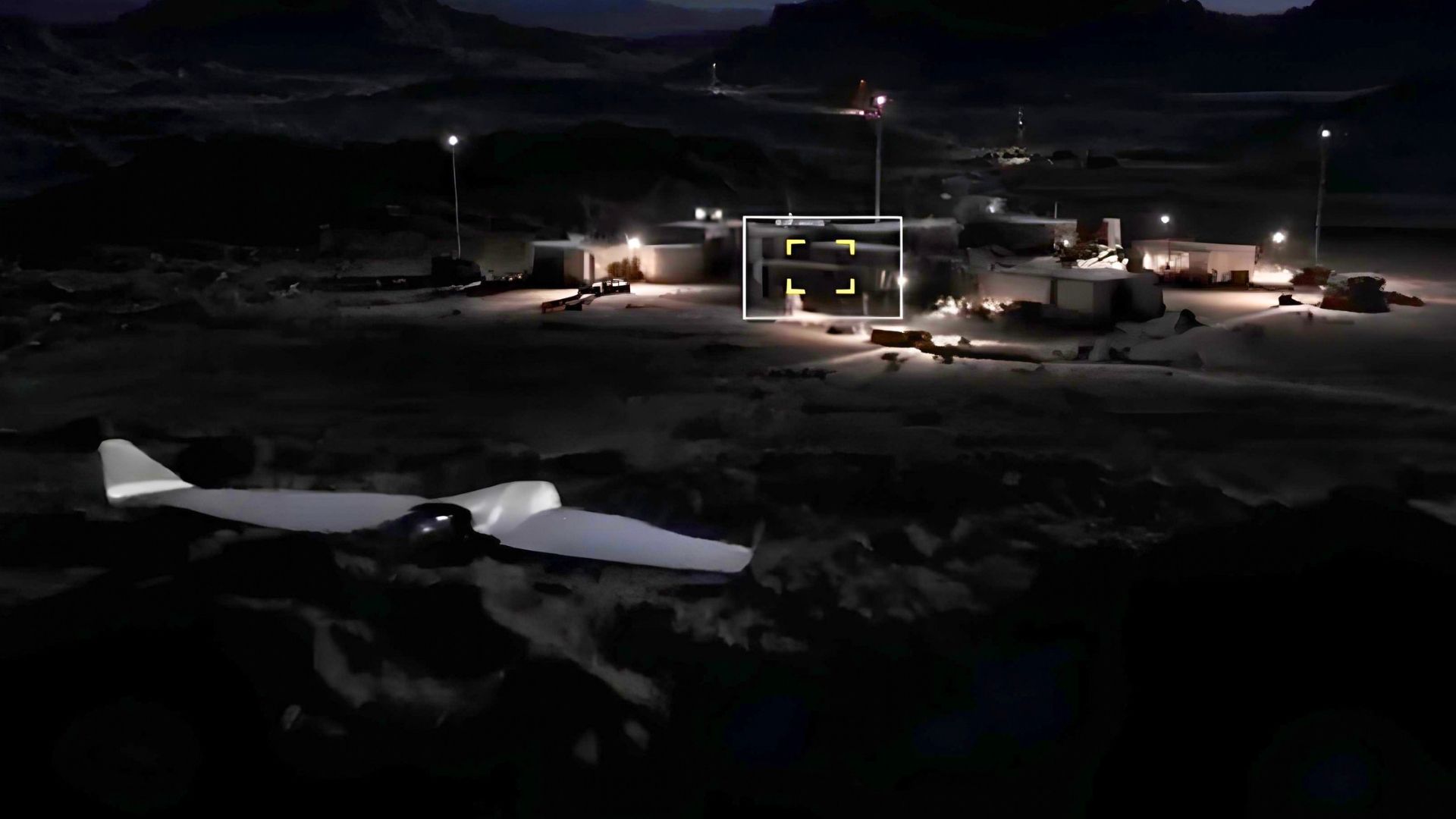
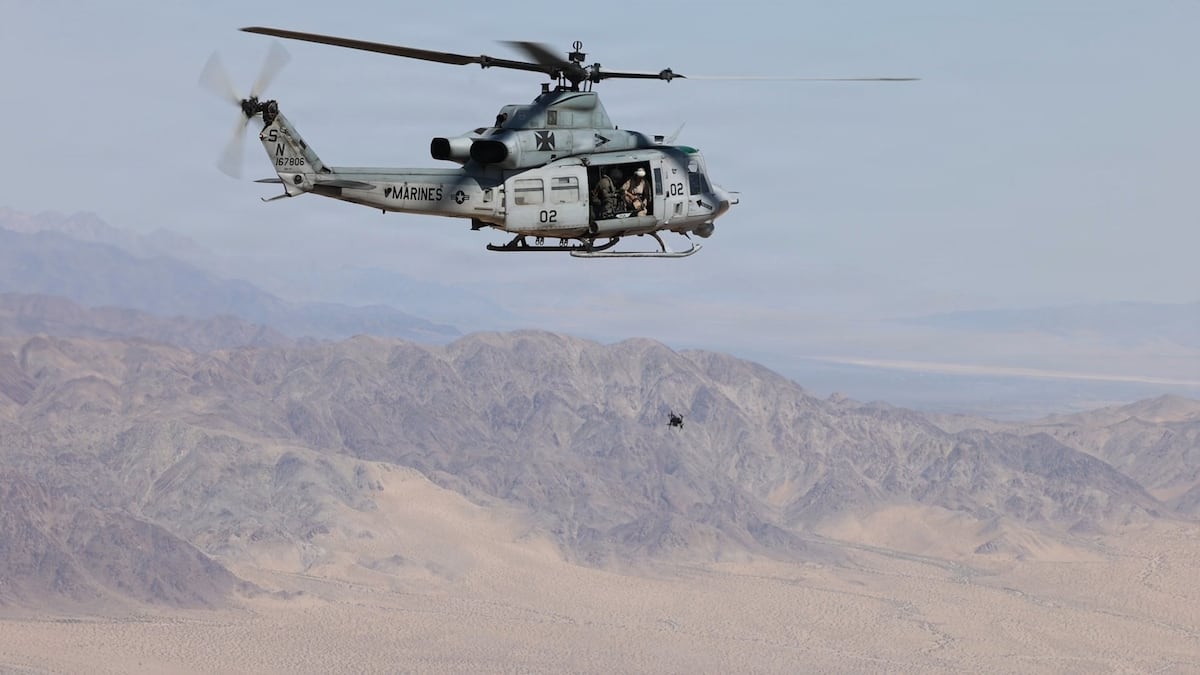
The U.S. Marine Corps is testing a concept that reflects a wider shift in military operations: combining inexpensive first-person-view drones with conventional aircraft. In a recent Southern California exercise, Marines launched a Neros Archer FPV drone from the ground and then transferred control to operators aboard a UH-1Y Venom helicopter orbiting miles away.
According to the supplied source text, the exercise was designed to explore whether aircraft such as the UH-1Y Venom and AH-1Z Viper can extend the reach of FPV drones that normally depend on nearby operators watching a live feed through a screen or goggles.
What the test involved
The service said the primary objective was to test whether an FPV drone could be non-kinetically dropped and deployed from a moving helicopter and then controlled from the aircraft. Capt. Quinton Thornbury, a UH-1Y pilot with Marine Light Attack Helicopter Squadron 169, said the team was able to validate that approach during the event.
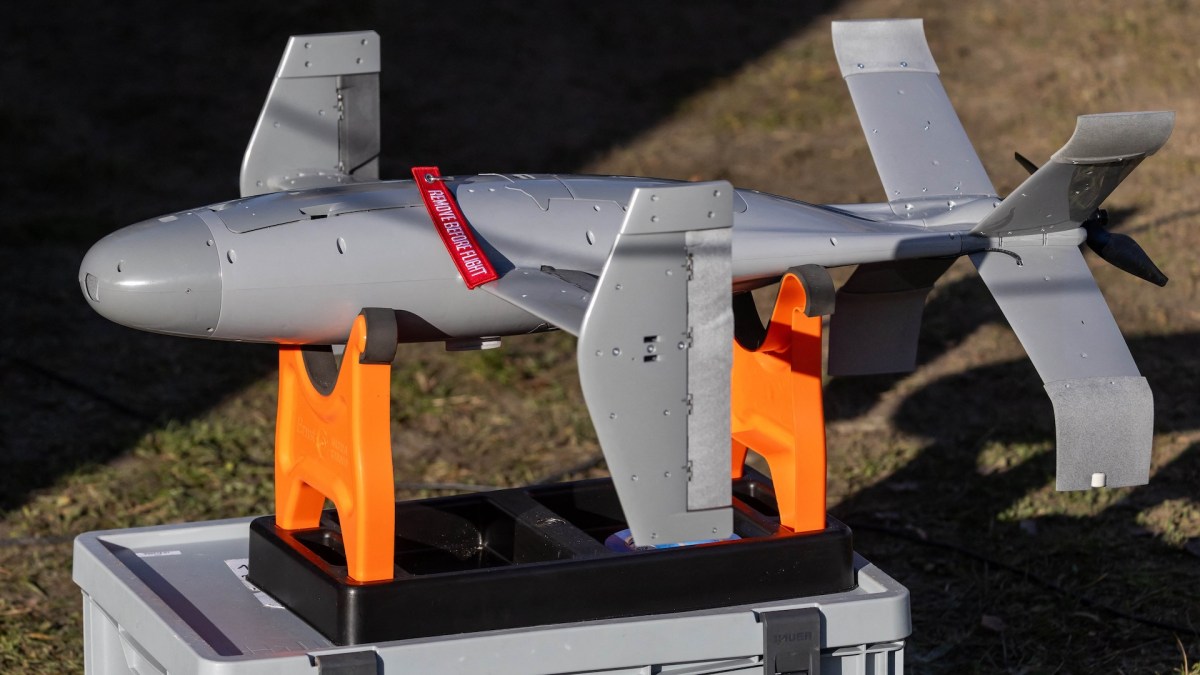
The test used the Neros Archer system, which the Marine Corps said has already been widely used and tested by Marine infantry units. That prior familiarity appears to be part of the point. Rather than introduce a completely separate aviation-only drone ecosystem, the Corps is looking at how a system already known to ground forces could be folded into air operations.
Why the concept matters
Low-cost drones have become one of the defining tools of modern conflict, from Ukraine to the Middle East. That pressure has forced militaries to revisit doctrine, procurement priorities and cost calculations. The Marine Corps source frames this helicopter-linked test as part of that larger adaptation.
The logic is easy to see in the source material. If a helicopter can help deploy, extend or relay control for a cheap attack drone, then an aircraft can act as more than a weapons platform or transport. It can become a mobile control node for systems that are far less expensive and easier to replace than traditional aviation assets.
Part of a broader expansion
The experiment also fits with the service’s recent acceleration in FPV drone fielding. The source text says the Marine Corps has already expanded its FPV attack drone inventory to more than 3,500 after approving the integration of the technology. That number suggests the test was not an isolated demonstration, but part of a broader effort to operationalize low-cost unmanned systems.
What remains unclear from the source is how quickly the concept will move from exercise to standard practice, and how it will be adapted for different mission types. But the direction is evident. The Marines are not treating FPV drones as a niche infantry tool; they are testing how to connect them to the aviation force as well.
The emerging operating model
The significance of the test is less about one helicopter and one drone than about a broader operating model. Cheap unmanned systems are increasingly valued for flexibility, mass and speed of fielding. Traditional aircraft, by contrast, offer range, endurance and command presence. The Corps is trying to combine those strengths in a practical way.
If that approach matures, it could give Marine aviation a new role in the drone ecosystem: not just launching effects from the air, but orchestrating them across longer distances and more fluid tactical spaces.
- Marines launched an FPV drone from the ground and transferred control to a helicopter crew.
- The exercise used a UH-1Y Venom and a Neros Archer drone.
- The Corps is testing whether aircraft can extend the reach of low-cost drones.
- The service says it has already fielded more than 3,500 FPV attack drones.
This article is based on reporting by Defense News. Read the original article.
Originally published on defensenews.com