The Navy’s new uncrewed surface vessel pipeline is already under legal pressure
The U.S. Navy’s effort to accelerate adoption of medium uncrewed surface vessels is facing a significant setback just months after launching. Blue Water Autonomy and Saildrone have both filed lawsuits after the Navy rejected their proposals in the new Medium Unmanned Surface Vessel marketplace, creating an early legal challenge for a program intended to draw more directly from commercial innovation.
The dispute matters because the marketplace was introduced as a replacement for a canceled effort, the Modular Attack Surface Craft program, and was meant to provide a practical path toward testing and eventually procuring new autonomous vessels. Instead, the first major selection round has produced litigation from two companies that argue their submissions met the Navy’s stated requirements and that the service itself failed to follow its own request for proposals.
At least one of the suits goes beyond seeking reconsideration. It asks the courts to effectively stop the Navy from moving ahead with additional testing and contract actions tied to the marketplace. If that request gains traction, the legal fight could slow a program the service has positioned as part of a broader unmanned push.
What the companies are challenging
According to the unsealed complaint referenced in reporting on the case, both firms contend that their proposals satisfied the Navy’s requirements. They further argue that the service eliminated them based on conclusions that did not align with the request for proposals issued in March. That is a consequential claim in any procurement dispute, but it is especially notable here because the Navy had framed the marketplace as a route for commercial platforms to compete on practical capability.
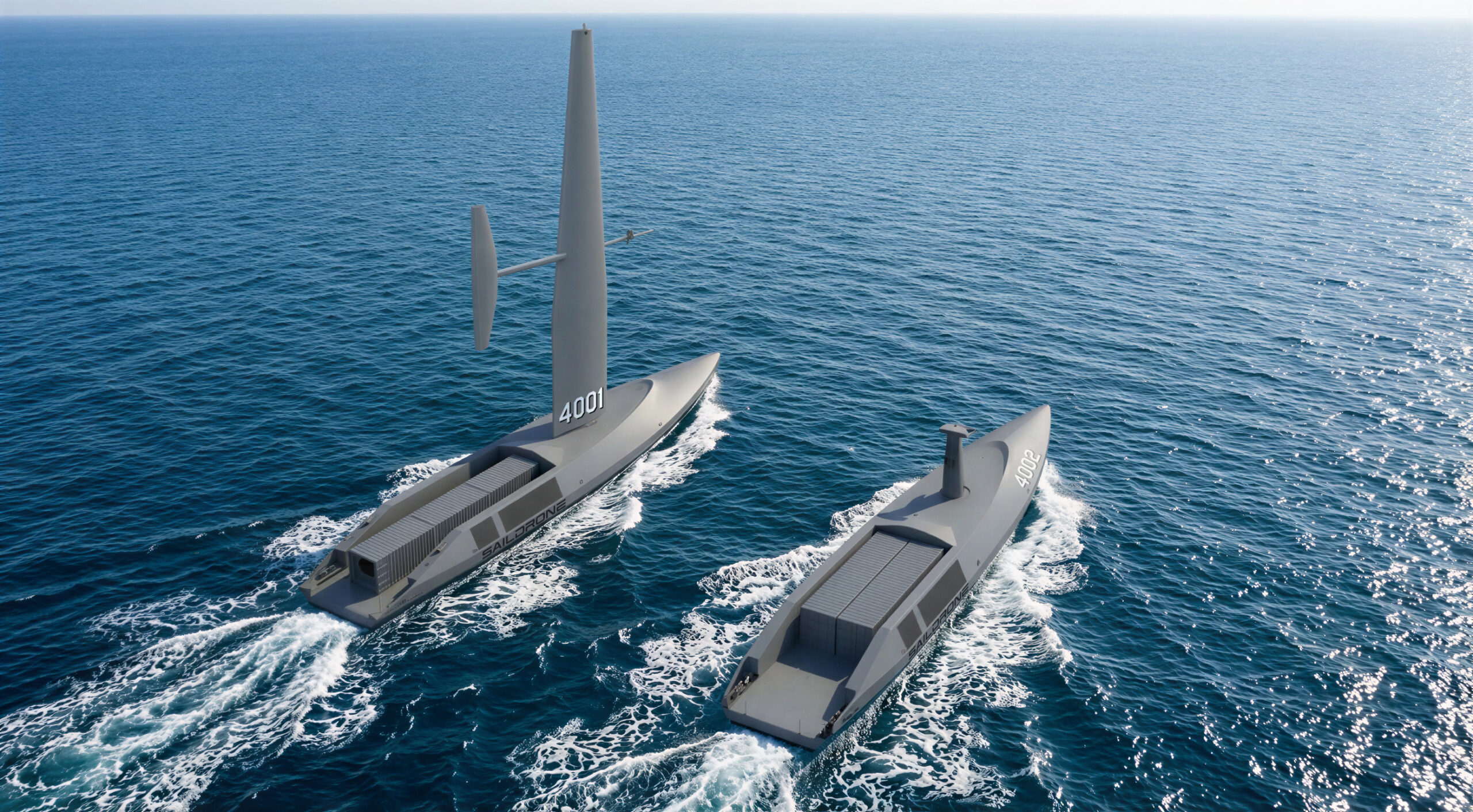
Neither Saildrone’s Spectre MUSV nor Blue Water Autonomy’s Liberty MUSV design was selected to continue into the at-sea prototype testing phase. That phase is expected to wrap up in October, making the legal timing important. If the companies want a real chance to change the outcome, they need to act before testing advances too far and before follow-on decisions become harder to unwind.
For the Navy, the case creates an awkward contrast between the program’s stated goals and the claims now being aired in court. The marketplace was positioned as a way to capitalize on commercial innovation in autonomous vessels. But when unsuccessful entrants argue that the process itself diverged from the written rules, the credibility of that marketplace model comes under pressure.
A canceled predecessor program sits in the background
The legal dispute is also tied to the Navy’s earlier decision to cancel the Modular Attack Surface Craft program in March and replace it with the MUSV marketplace. That earlier program had already moved through parts of its own evaluation process. According to the complaint, Blue Water’s vessel solution had been evaluated through multiple stages and selected under the MASC effort before that program was canceled.
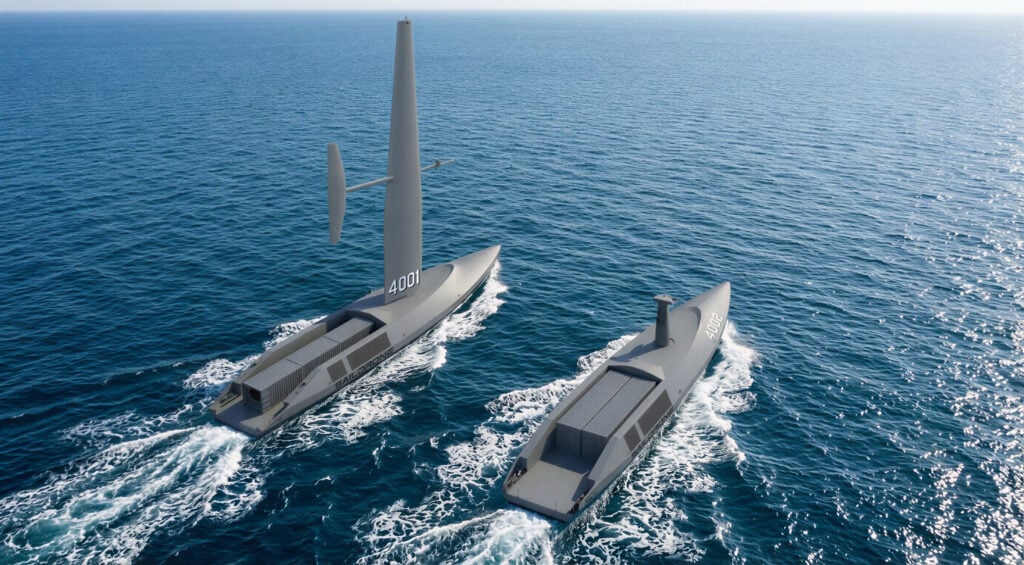
That detail sharpens the company’s argument. If Blue Water had already advanced under the prior framework, then being excluded under the replacement mechanism invites questions about whether the shift in acquisition structure reset the competition in a way that disadvantaged previously viable entrants. Even without broader allegations, that sequence complicates the Navy’s case that the new marketplace is a cleaner or more efficient path to capability.
The companies’ challenge also underscores a familiar tension in defense innovation: the Pentagon wants faster procurement and greater access to commercial technology, but startups and newer entrants need confidence that the pathway is stable and that evaluation criteria will be applied consistently. If firms believe the process can be materially reshaped or interpreted in unexpected ways, they may become more cautious about committing capital and engineering resources.
Why the case matters beyond two rejected bids
Blue Water’s complaint makes clear that private investment is part of the story. The company said it and its partners made substantial financial investments in its solution based on the Navy’s stated objective of using commercial innovation to procure the next generation of autonomous vessels. That matters because the U.S. military increasingly depends on venture-backed and growth-stage companies to deliver specialized autonomy, sensing, and maritime systems.
When those companies commit resources, they do so with an assumption that the procurement environment is legible enough to justify the risk. Lawsuits like these signal that the market for defense autonomy remains attractive, but also that trust in the acquisition mechanism is still fragile. For investors, the issue is not merely who wins a given contract. It is whether the process is predictable enough to support sustained participation by private capital.
The Navy, meanwhile, is trying to build a force structure in which uncrewed systems handle more persistent, distributed, and potentially higher-risk missions. Medium uncrewed surface vessels are a key part of that vision. They offer a path toward expanded sensing, communications, and operational reach without placing crews on every hull. A courtroom fight over how the first marketplace selections were handled does not negate that strategy, but it can slow the momentum needed to turn concepts into deployable capability.
The next milestone will be whether the court allows the Navy to continue along its planned testing and award schedule. If the service is forced to pause, the marketplace could become an example of how defense innovation programs stumble not because of technical failure, but because procurement execution breaks down under scrutiny. If the Navy continues without interruption, the case will still remain a test of how well the department can defend newer acquisition models when challenged by disappointed but well-resourced competitors.
Either way, the lawsuits have turned the MUSV marketplace into more than a procurement announcement. It is now an early referendum on whether the Navy can align commercial outreach, program stability, and procedural discipline while trying to modernize one of the most operationally ambitious parts of its unmanned portfolio.
This article is based on reporting by Breaking Defense. Read the original article.
Originally published on breakingdefense.com