A major shift toward cheaper massed strike weapons
The U.S. Air Force is advancing a plan to buy nearly 28,000 lower-cost cruise missiles over the next five years, a scale signal that may be more important than any single weapon design. According to The War Zone, new Pentagon framework agreements with Anduril, CoAspire, and Zone 5 support the Family of Affordable Mass Missiles, or FAMM, program, which is intended to field multiple types of air-launched standoff weapons at a fraction of the cost of higher-end legacy missiles.
The numbers alone make the effort notable. A buy target of roughly 28,000 munitions suggests the Air Force is not treating affordable mass as a niche supplement. It is trying to turn lower-cost cruise missiles into a core inventory category. That points to a procurement logic shaped by attrition, magazine depth, and the need to sustain large strike volumes in a high-end conflict.
The Pentagon’s press release, as quoted by The War Zone, framed the agreements as a way to accelerate validation of a new family of low-cost, air-launched cruise missiles. The language is revealing. FAMM is not a single missile buy. It is a portfolio approach, with multiple industry partners and multiple missile configurations under one umbrella.
How the FAMM family is structured
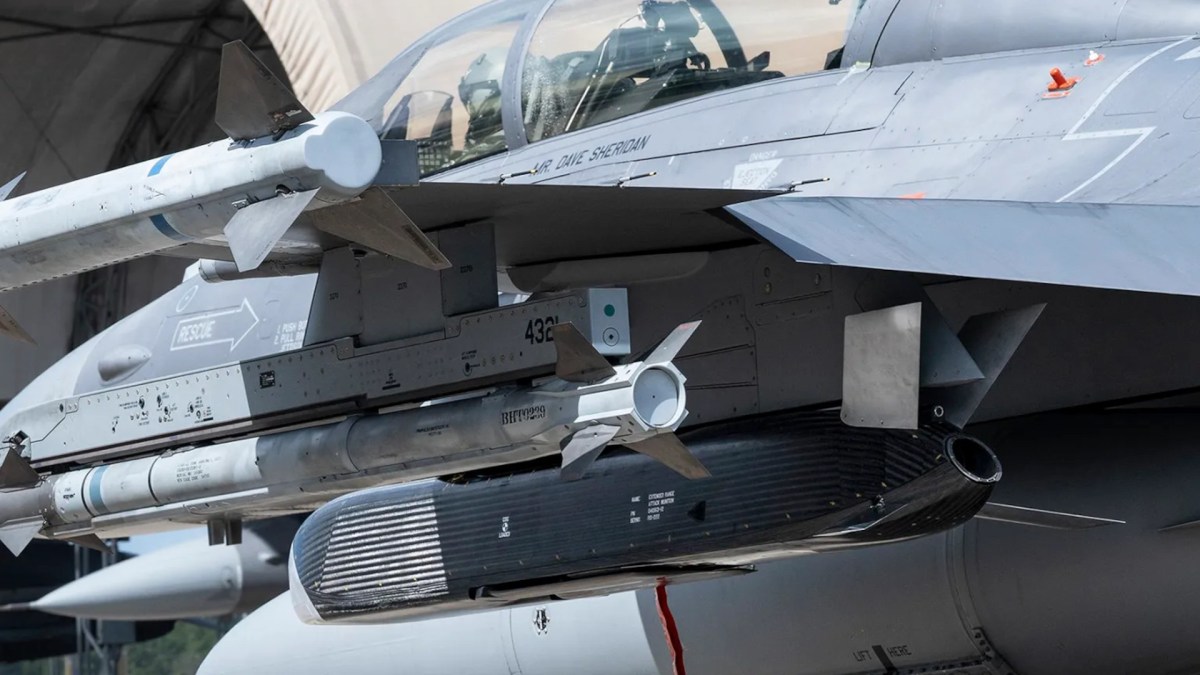
The Air Force plans to acquire different variants under the program. These include lugged designs, known as FAMM-L, for direct carriage on aircraft hardpoints, as well as palletized versions, FAMM-P, intended for release from cargo aircraft using palletized munitions systems. The service is also pursuing extended-range FAMM-BAR designs, with BAR standing for “Beyond Adversary’s Reach.”
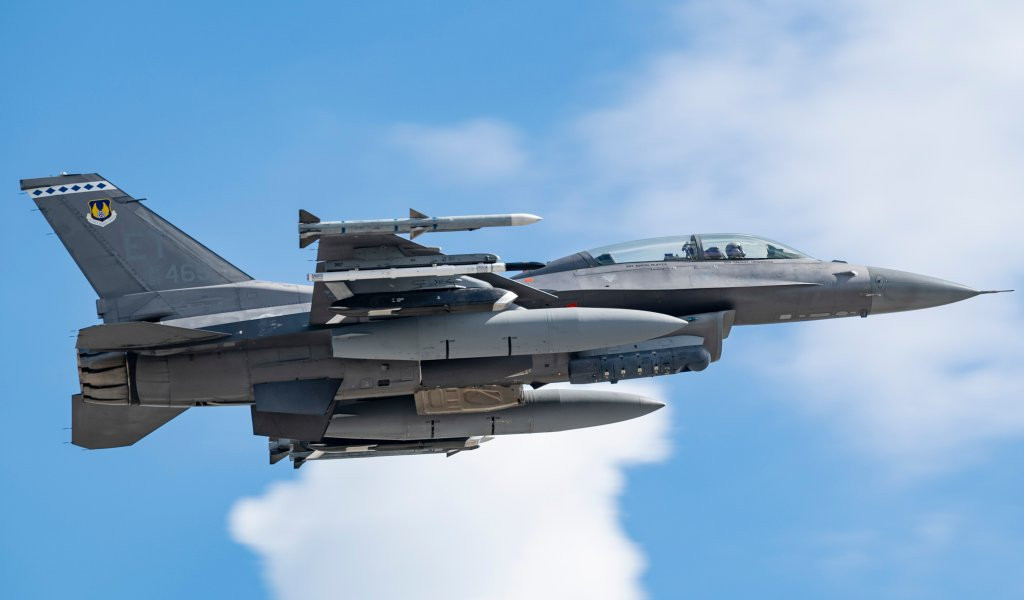
That mix matters because it broadens both platform options and operational concepts. A missile family that can be carried conventionally or deployed from cargo aircraft changes how strike capacity can be generated. It potentially expands the set of aircraft that can contribute to standoff attack and gives planners more ways to distribute launch capability.
The budget language cited in the report reinforces that this is moving beyond concept work. For fiscal year 2027, the Air Force is requesting $55 million in discretionary funding and $300 million in mandatory reconciliation funds for FAMM to procure 1,000 all-up rounds spanning both palletized and lugged variants. Even at that early slice of production, the program is being funded in a way consistent with scale rather than experimentation alone.
Why the Pentagon wants affordable mass
The strategic idea behind FAMM is straightforward: expensive precision weapons are powerful, but they are not always numerically sufficient for a prolonged, high-intensity fight. If the Air Force expects to face contested air defenses and distributed targets over large distances, then lower-cost standoff weapons become attractive not because they replace premium missiles in every role, but because they make volume possible.
That logic has become more visible across U.S. defense planning. The War Zone notes that some of the same companies received framework deals in May for a separate effort to buy 10,000 lower-cost ground-launched cruise missiles through 2029 under the Low-Cost Containerized Missiles program. Taken together, the air-launched and ground-launched efforts point to a wider Pentagon push to restore missile quantity as a planning advantage.
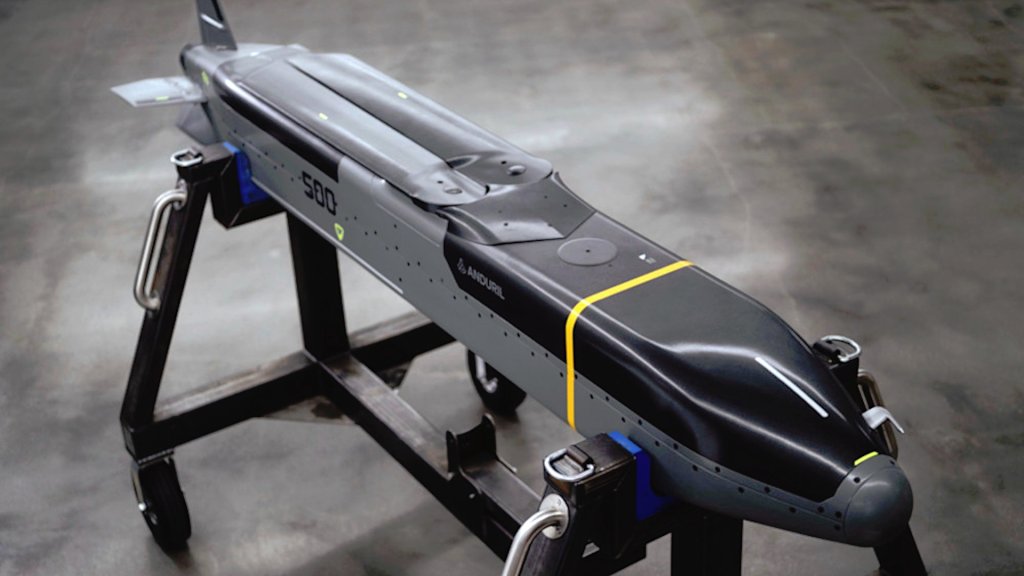
The emphasis on “industry-driven solutions” and flexible contracting in the Pentagon statement also suggests the department is trying to shorten the distance between commercial-style development speed and military acquisition scale. If successful, that could reduce the time it takes to move from prototype families to validated production lines. The challenge, as always, will be whether low-cost claims hold once procurement, integration, and sustainment mature.
What this could change in U.S. airpower
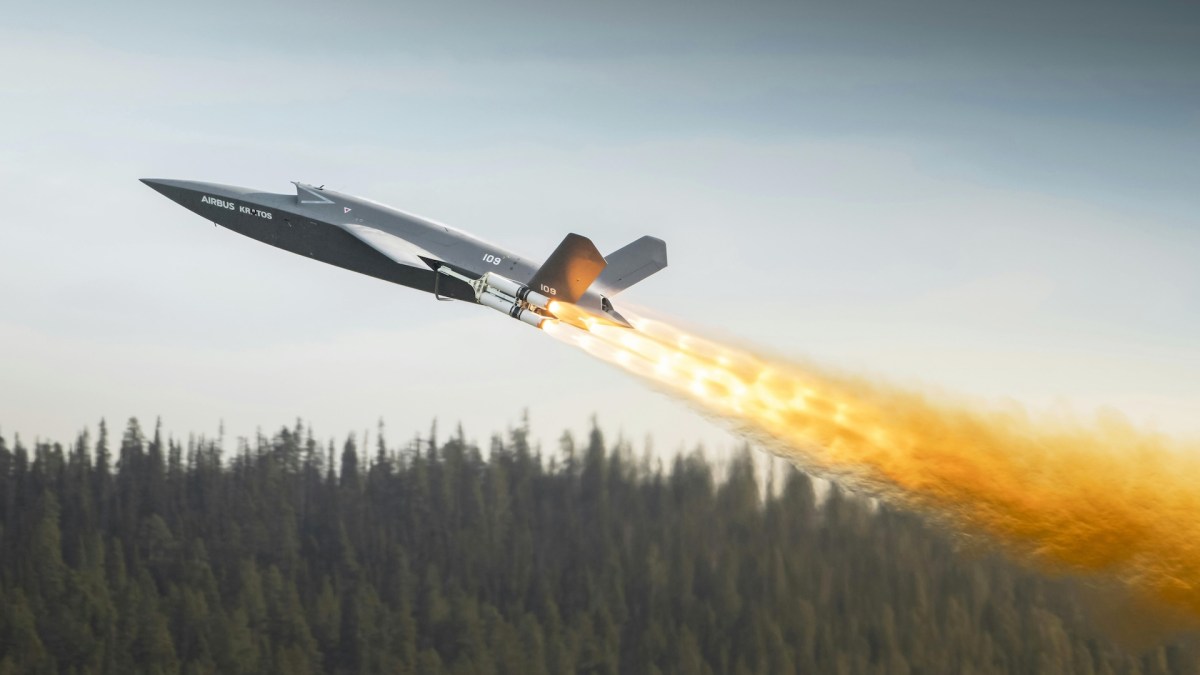
If FAMM develops as planned, its significance will extend beyond inventory totals. A large stock of affordable air-launched cruise missiles could alter how the Air Force thinks about target sets, aircraft utilization, and campaign pacing. It may also support more distributed launch concepts if cargo aircraft-based palletized systems become operationally credible.
There are still major unknowns. The source material does not specify which exact missile designs will prevail, how unit costs will compare across variants, or how performance will trade off against more expensive weapons. Those questions matter. Affordable mass only changes strategy if the weapons are sufficiently survivable, producible, and operationally useful.
Even so, the policy direction is already clear. The Pentagon is no longer signaling interest in cheap standoff munitions as an experimental adjunct. It is building contracting structures around the assumption that quantity itself is an operational requirement. In that respect, FAMM may represent one of the clearest indicators yet that U.S. airpower planning is being reorganized around the economics of scale as much as the pursuit of exquisite capability.
- The Air Force aims to buy nearly 28,000 low-cost cruise missiles in five years under FAMM.
- The program includes lugged, palletized, and extended-range variants.
- New Pentagon framework agreements suggest affordable mass is becoming a central strike-planning priority.
This article is based on reporting by twz.com. Read the original article.
Originally published on twz.com