Ceasefire in Jeopardy
The fragile ceasefire between the United States and Iran, brokered in April 2026, has faced its most serious test yet. Following a series of escalating attacks, both President Donald Trump and Iranian officials have declared the agreement effectively dead. The developments mark a significant setback for diplomatic efforts to end hostilities that have simmered for months.
Trump's Declaration
On Wednesday, President Trump stated that he could resume airstrikes on Iran as early as that night and restore the naval blockade, expressing his belief that the ceasefire was over. This came a day after he ordered the most intense wave of airstrikes on Iran since the April agreement. Trump's comments followed Iranian attacks on tanker ships in the Strait of Hormuz, as well as unconfirmed reports of missiles and drones fired at U.S. warships.
Iran's Response
Iranian official media quickly responded, declaring that the Memorandum of Understanding extending the ceasefire for 60 days—known as the Islamabad Agreement—was no longer in effect. The Islamic Revolutionary Guard Corps (IRGC)-connected Tasnim news outlet stated on Telegram, "The Islamabad Agreement is Dead." The statement accused the U.S. of failing to fulfill its commitments.
Escalation in the Strait of Hormuz
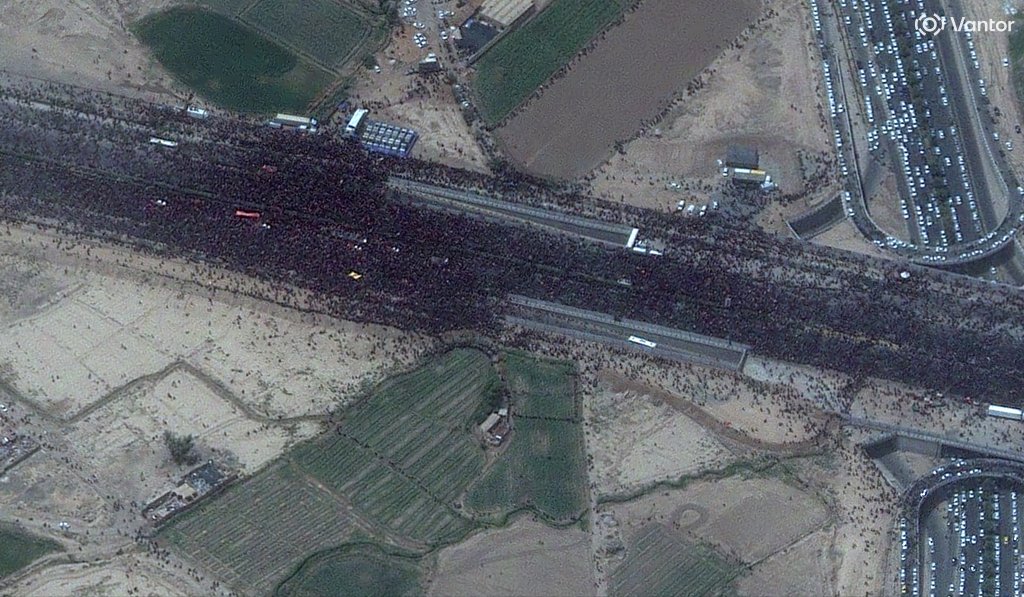
The latest escalation began on Tuesday when Iran struck three ships in the Strait of Hormuz. These attacks occurred during a pause in negotiations for the week-long funeral procession of former Supreme Leader Ali Khamenei, who was killed on the first day of the U.S.-Israeli attacks. In response, U.S. Central Command (CENTCOM) announced it had hit 85 targets in Iran, marking the most significant military action since the ceasefire.
Unconfirmed Reports of Naval Engagement
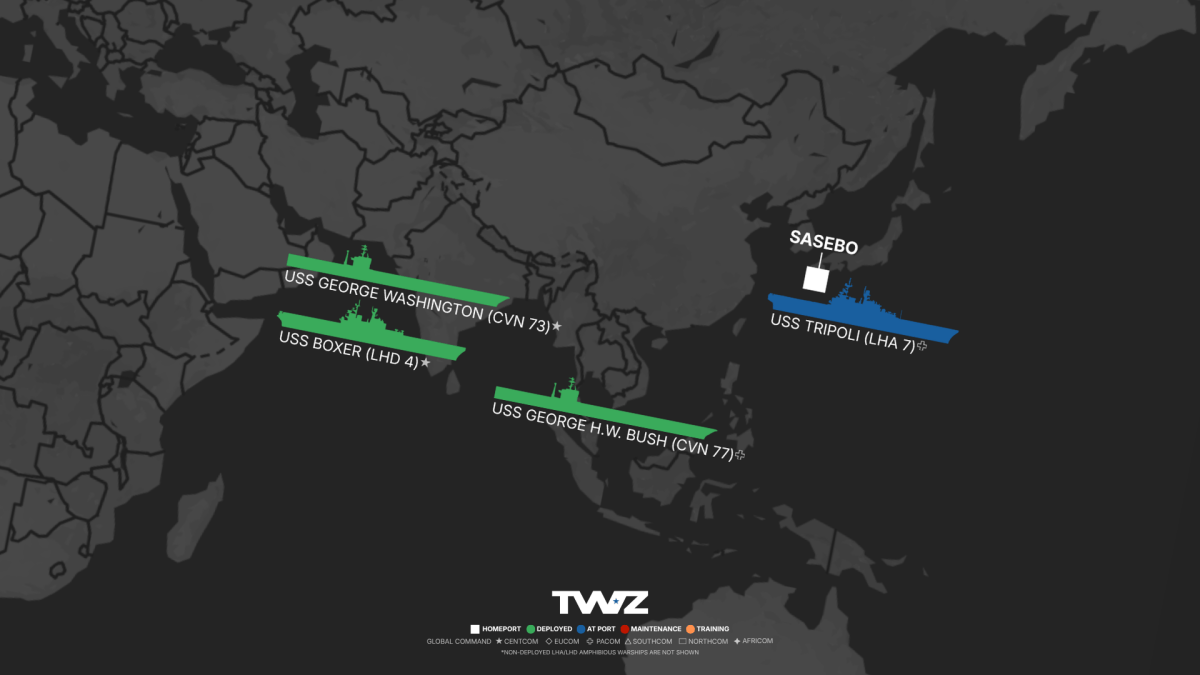
Unconfirmed reports emerged that Iran launched anti-ship missiles and drones at U.S. Navy warships operating in the Sea of Oman. According to a social media post from C14 News, all missiles and drones were intercepted. The U.S. Navy has not officially confirmed these reports, but they add to the heightened tensions.
Impact on Diplomacy
The collapse of the ceasefire represents a major blow to diplomatic efforts. The Islamabad Agreement, which had provided a 60-day extension for negotiations, was seen as a crucial step toward a permanent peace deal. With both sides now declaring the agreement dead, the prospect of renewed large-scale conflict looms large. The international community has expressed concern, urging restraint from both parties.

Historical Context
The conflict between the U.S. and Iran has deep roots, with tensions escalating significantly in recent years. The April ceasefire was a rare moment of diplomatic progress, but it has now unraveled. The killing of former Supreme Leader Khamenei on the first day of U.S.-Israeli attacks had already strained relations, and the latest attacks have pushed the situation to a breaking point.
What's Next?
As both sides prepare for potential further military action, the region remains on edge. President Trump has indicated that the U.S. is ready to resume strikes, while Iran has shown no sign of backing down. The coming days will be critical in determining whether the conflict escalates into a full-scale war or if diplomatic channels can be reopened.
This article is based on reporting by twz.com. Read the original article.
Originally published on twz.com