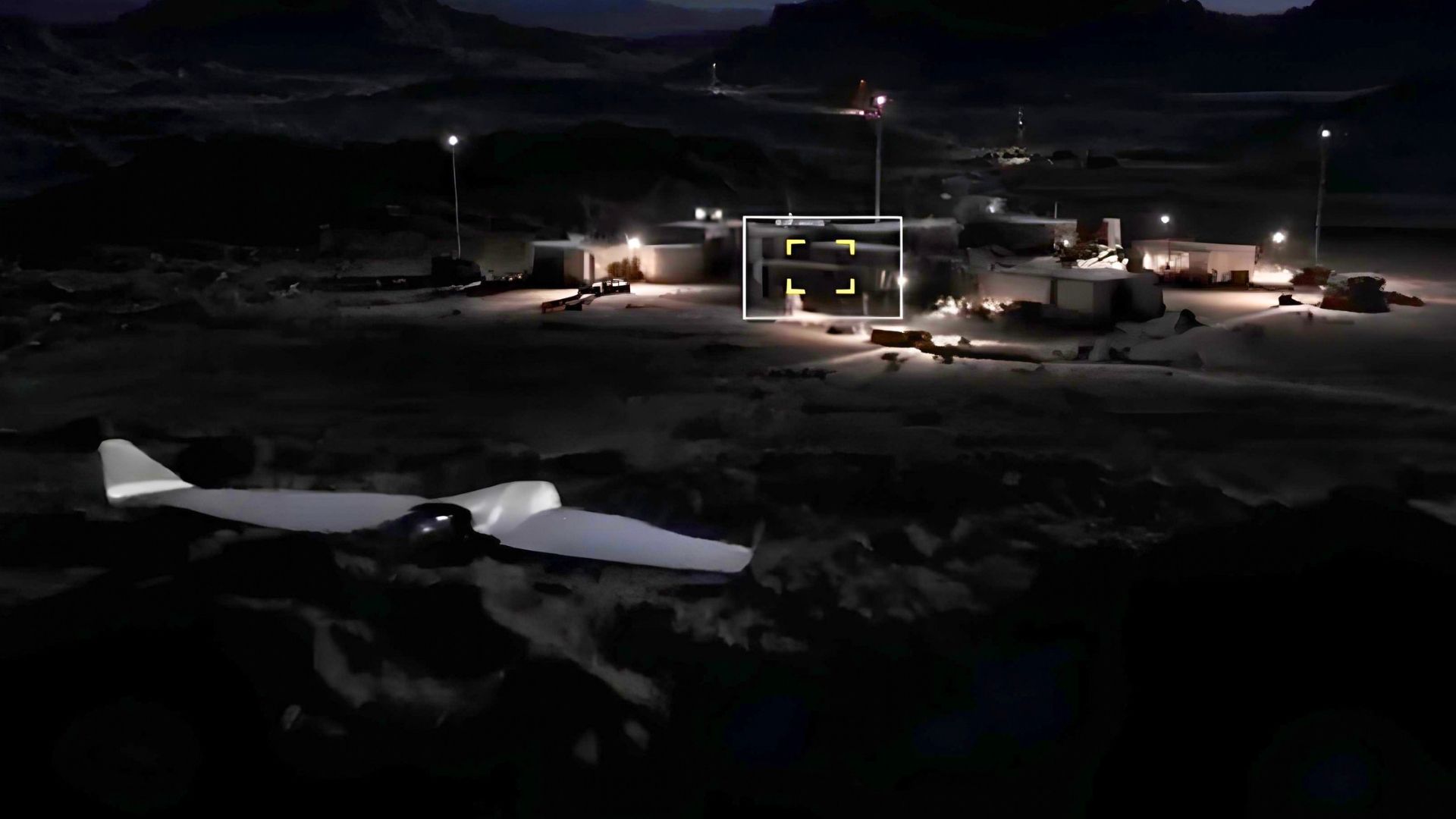
Britain is restarting its push into autonomous combat teaming
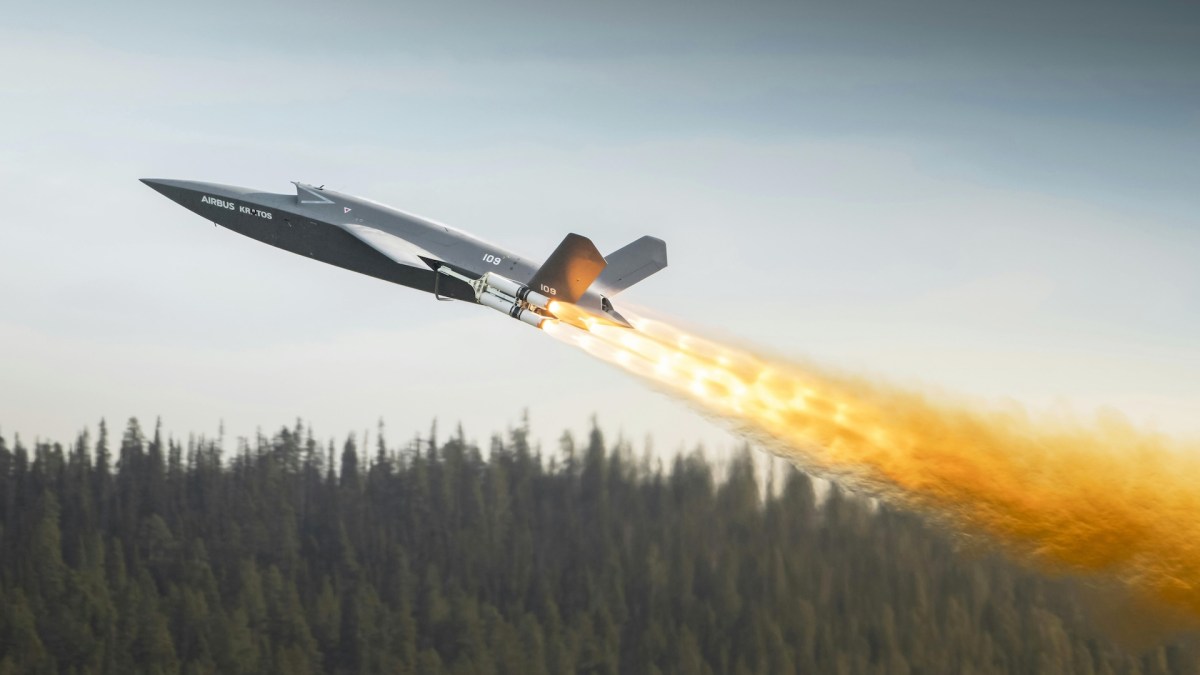
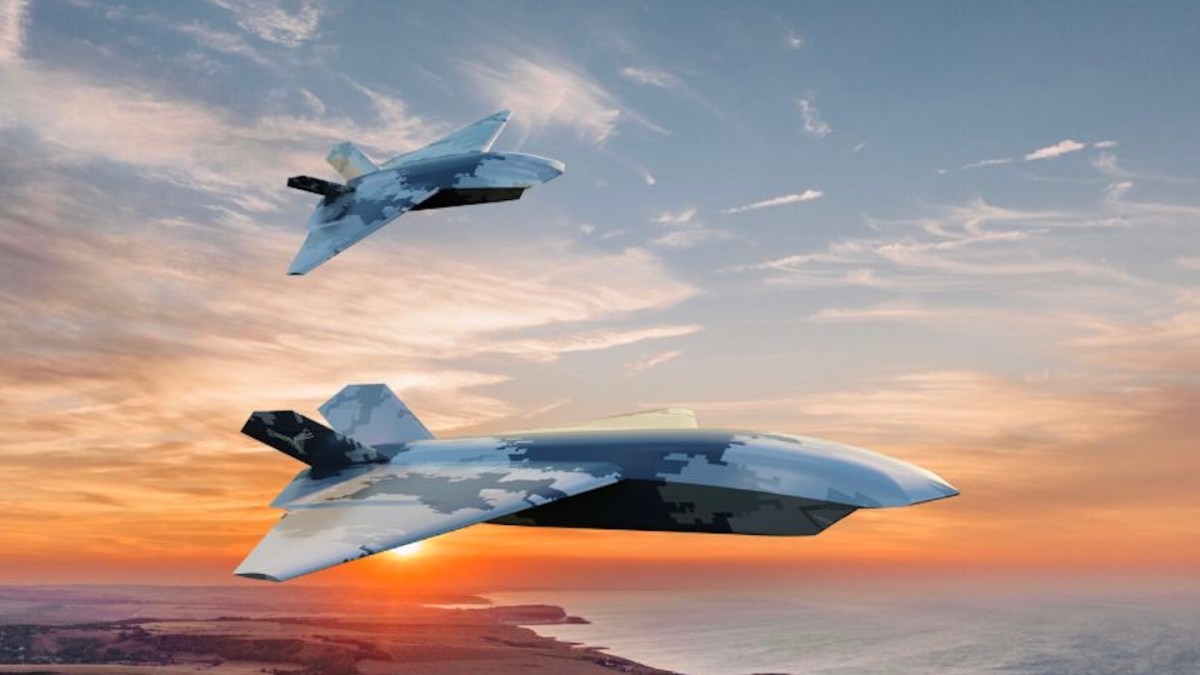
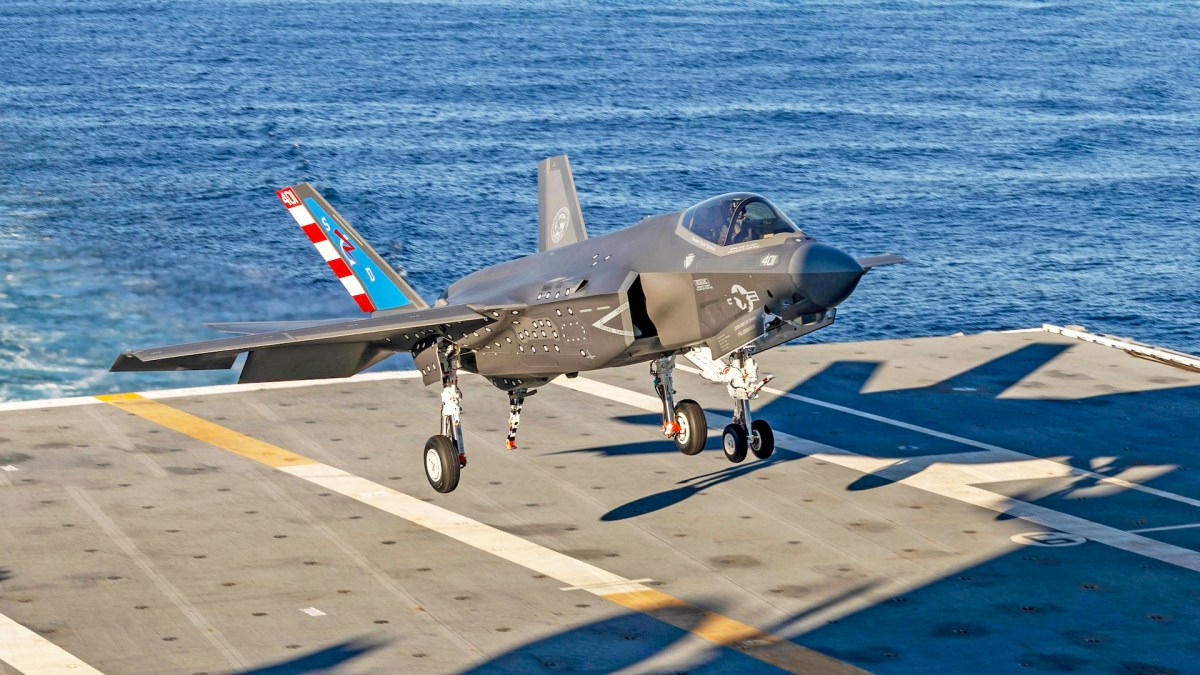
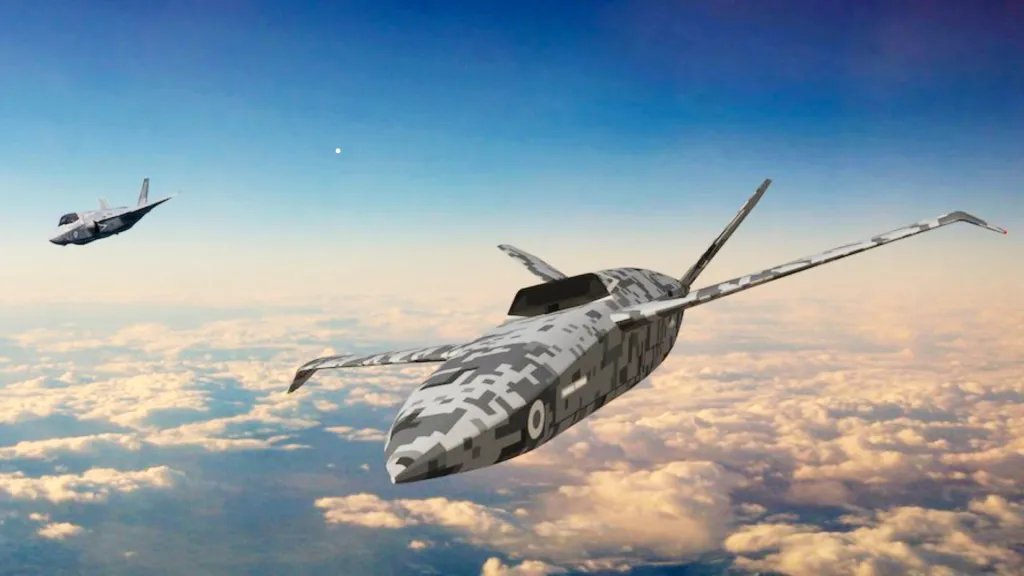
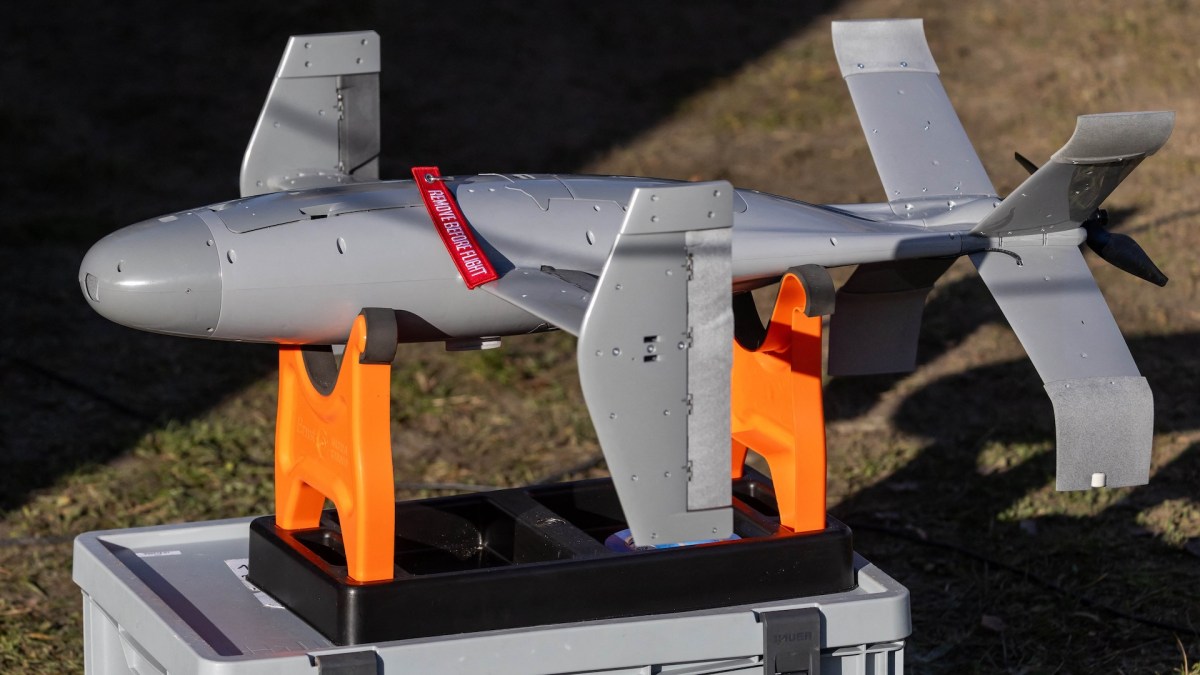
The United Kingdom has unveiled a new collaborative combat aircraft program called Storm Fighter, a move that revives British ambitions in the loyal wingman space and anchors them directly to the Royal Air Force’s future force design. According to the source text from The War Zone, Storm Fighter is intended to deliver autonomous aircraft that can operate alongside Typhoon, F-35 and the future Tempest as part of what officials describe as a plan to build “Europe’s first sixth-generation air force.”
The announcement matters because it turns a broad modernization narrative into a named operational program. Collaborative combat aircraft, or CCAs, are increasingly seen as one of the most important force multipliers in next-generation air warfare. They promise to extend the reach of crewed fighters, absorb risk in contested environments, carry sensors or weapons, and scale combat mass more cheaply than adding only traditional manned aircraft.
For Britain, Storm Fighter also fills a visible gap. Earlier CCA efforts had lost momentum, and the new program signals that the RAF still sees autonomous teaming as essential to its future combat air ecosystem rather than an optional experiment at the edge of the fleet.
What the UK said Storm Fighter is for
The source text ties the announcement to remarks by Luke Pollard, the U.K. minister for defense readiness and industry, at the Air & Space Power Association Global Air and Space Chiefs’ Conference in London on July 16, 2026. Pollard said Storm Fighter would be funded through the $406 million investment in collaborative combat aircraft included in the Defense Investment Plan published earlier this month.
In his description, Storm Fighter is meant to provide “guardian angel and attack dog drones” for combat operations with Typhoon, F-35 and Tempest. The phrase captures the dual role that modern CCAs are expected to play. Some platforms will likely focus on protective support functions such as sensing, screening, jamming or decoy work. Others may be built for more aggressive tasks, including strike, suppression or operating deeper in contested airspace than commanders would want to send crewed aircraft alone.
The language also reflects a bigger doctrinal shift. Loyal wingman programs are no longer being pitched merely as add-ons to fighter fleets. They are increasingly framed as integral teammates in a mixed human-machine formation, with the crewed jet acting as one command node in a broader package of distributed assets.
Part of a larger military modernization push
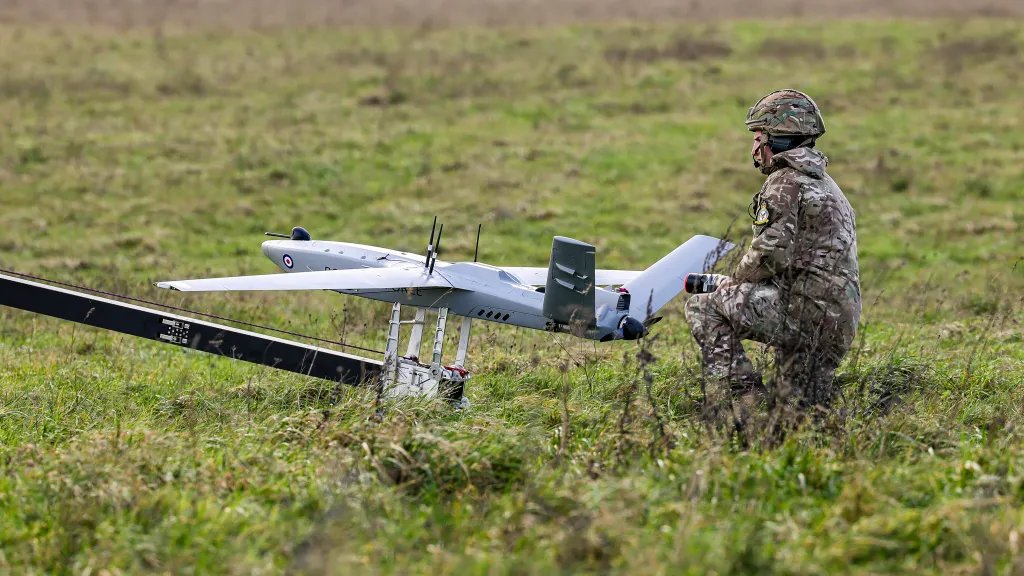
Storm Fighter is not a standalone procurement story. The article places it inside a wider defense modernization effort backed by roughly $6.6 billion over the next four years to introduce uncrewed and autonomous systems across the British armed forces. That broader framing is significant because it suggests the U.K. is not treating autonomy as a niche capability limited to one service or mission set. Instead, it is trying to build a more systematic base for unmanned systems across the force.
That matters for cost, training, doctrine and industrial strategy. A successful CCA program depends on more than airframe design. It requires command-and-control architecture, integration with crewed platforms, tactics for operating under electronic warfare pressure and a procurement system that can keep pace with rapid iteration. If Storm Fighter is to be more than a branding exercise, it will have to connect to those enabling layers.
The “Storm” naming also appears to be deliberate. The source text notes that the nomenclature aligns with other air-warfare programs, including Storm Shroud. That continuity suggests the U.K. wants a recognizable family identity around next-generation air capabilities, especially as it positions Tempest and associated systems at the center of future RAF planning.
Why Europe will be watching closely
Storm Fighter arrives in a defense environment shaped by lessons from Ukraine, rising concern about peer conflict and a growing consensus that attritable unmanned aircraft will be central to future air combat. The challenge for European militaries is not just adopting the concept but doing so fast enough to remain credible against adversaries scaling drones, electronic warfare and distributed strike capacity.
If Britain can move Storm Fighter from announcement to fielded capability, it would strengthen its claim to leadership in Europe’s next air combat architecture. But success is far from guaranteed. Loyal wingman programs are technically and organizationally difficult. The hardest problems are often not aerodynamic. They involve autonomy trust, mission control, data links and how much independent action commanders are willing to delegate in combat.
Still, the direction of travel is unmistakable. The RAF is betting that a future force centered on Typhoon, F-35 and Tempest will need uncrewed combat partners to remain survivable and effective in dense threat environments. Storm Fighter is the clearest statement yet that Britain intends to make that transition rather than merely discuss it.
Key takeaways
- The U.K. has launched Storm Fighter, a new collaborative combat aircraft program for the RAF.
- The system is intended to operate alongside Typhoon, F-35 and the future Tempest.
- Funding comes from a $406 million CCA investment within the broader Defense Investment Plan.
- The program is part of a larger British push to integrate autonomous systems across the armed forces.
For now, Storm Fighter is a declaration of intent backed by funding and political messaging. Its importance lies in what it says about the RAF’s future: autonomy is no longer peripheral. It is becoming part of the core combat structure the U.K. wants to build for the next era of air power.
This article is based on reporting by twz.com. Read the original article.
Originally published on twz.com