Iran uses Gulf vulnerability as leverage in push to deter new U.S. strikes
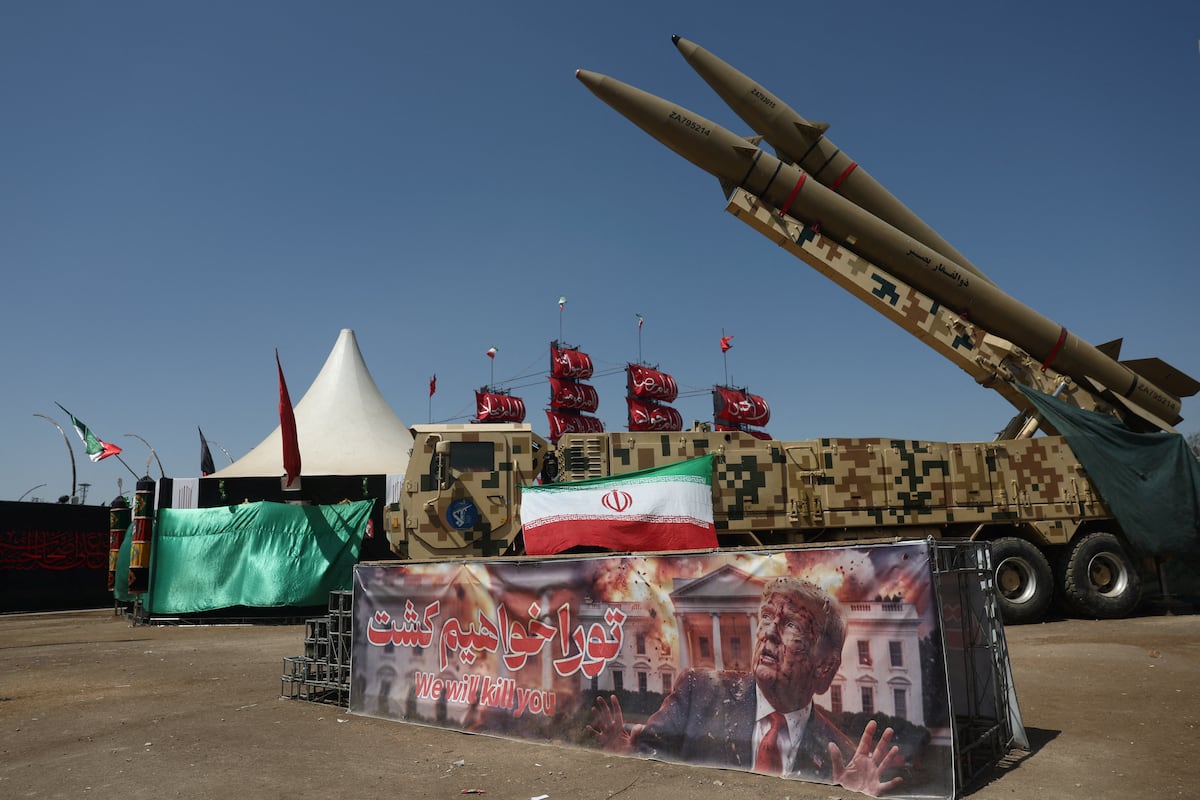
Iran has delivered a blunt warning to Gulf governments: if the United States launches new attacks on Iranian infrastructure, critical assets across the Gulf could be hit in return. According to multiple officials and regional sources cited in the original report, Tehran used a series of high-level diplomatic contacts to make clear that oil facilities, refineries, electricity networks, water systems, transport links and other strategic targets could face retaliation if Washington escalates.
The message reflects a familiar logic in regional security, but the timing gives it renewed weight. The warning came after U.S. President Donald Trump threatened on July 28 to strike Iran’s energy network and infrastructure. Rather than limit its response to public rhetoric, Iran appears to have moved quickly through diplomatic channels, aiming to persuade nearby states that their own economic exposure should push them to restrain Washington.
The result is a pressure campaign built around interdependence. Gulf states are not being treated only as observers or intermediaries. In Tehran’s framing, they are also potential participants in the consequences of a wider conflict, whether or not they initiate it.
Diplomacy backed by a threat of economic disruption
The report says Iranian Foreign Minister Abbas Araqchi spoke with counterparts in Saudi Arabia, Turkey and Qatar, and also contacted Pakistan’s army chief. The message relayed in those conversations was described as consistent: Iran is prepared to retaliate if attacked, but a negotiated outcome remains preferable to a broader war.
One diplomat cited in the report summarized the Iranian line as straightforward. Tehran was signaling that it had both the willingness and the capacity to answer strikes with action against U.S. assets and against the infrastructure underpinning Gulf economies. That is a significant escalation in diplomatic tone because it ties any future U.S.-Iran clash directly to civilian economic systems that extend well beyond the immediate battlefield.
The emphasis on infrastructure is especially important. Gulf energy and utility networks are not only domestic assets; they are also central to global oil markets, electricity reliability, industrial production and shipping confidence. Even the prospect of disruption can move prices, alter security postures and force governments to recalculate how much risk they are willing to tolerate in support of U.S. action.
Iran’s warning therefore serves two purposes at once. It is a deterrent message to Washington, delivered indirectly. It is also a coercive message to Gulf capitals, asking them to use their political influence before events move beyond diplomacy.
Saudi Arabia and Qatar appear central to the message
According to the report, the warning was intended for every Gulf state but was conveyed mainly through Saudi Arabia and Qatar. That choice reflects the practical regional balance. Saudi Arabia remains a leading Arab power with direct interest in energy security and regional stability. Qatar, meanwhile, often plays an active diplomatic role and maintains lines of communication that can be useful when tensions rise.
The report also says Saudi Crown Prince Mohammed bin Salman later spoke with Trump, urging him to delay military action, return to negotiations, secure a ceasefire and pursue a diplomatic settlement. If accurate, that suggests Iran’s signaling may already have influenced how key Gulf governments are framing the issue to Washington.
That does not mean Gulf states are aligning with Iran. It means they are confronting the strategic reality Tehran wants to emphasize: another cycle of strikes would not stay neatly contained. Infrastructure that supports their own national economies could become part of the conflict environment.
For Saudi Arabia in particular, that threat is not abstract. The kingdom’s oil facilities and associated infrastructure occupy a central place in both domestic planning and global energy flows. Any credible indication that such sites could be targeted changes the political cost of escalation.
A regional environment shaped by repaired ties and persistent mistrust
The report notes that Iran has repaired ties in recent years with several Gulf neighbors, including former rival Saudi Arabia. That diplomatic improvement creates a more complex backdrop for the current warning. Tehran is no longer addressing a region defined only by open hostility and isolation. Instead, it is operating in an environment where restored contacts can be used to transmit threats, test influence and seek diplomatic off-ramps.
That dual-track approach is visible in the wording attributed to Iranian officials. On one side is the explicit threat of retaliation. On the other is repeated insistence that a diplomatic solution is the best way to avoid wider destruction. The combination is deliberate. It allows Tehran to argue that it is not seeking expansion of the conflict while making sure the costs of escalation are understood in concrete terms.
For Gulf states, this produces a difficult balancing act. They rely on close security relationships with Washington, but they also have a strong interest in avoiding attacks on domestic infrastructure. Their preference, as reflected in the report, appears to be renewed talks and de-escalation rather than another round of military action.
Why this matters beyond the immediate crisis
The broader significance of the warning lies in what it reveals about modern regional deterrence. Military threats are now inseparable from infrastructure vulnerability. Power grids, water plants, refineries, oil fields and transport corridors are no longer secondary targets in strategic thinking; they are central leverage points. States can use the possibility of disruption to influence diplomacy even before missiles are launched.
That matters for global markets as much as for Middle East politics. Energy infrastructure in the Gulf remains systemically important. Any conflict scenario involving attacks on those assets would carry implications for supply confidence, pricing and investor perceptions of regional risk.
It also matters for U.S. decision-making. If Gulf partners are pressing for restraint because they fear retaliation on their own territory, Washington’s room for unilateral escalation may narrow. Even without a formal break in alliances, local pressure for negotiations can shape the pace and scope of U.S. choices.
For now, the message from Tehran is not subtle. Iran is trying to convert the Gulf’s economic exposure into diplomatic leverage. Whether that effort succeeds will depend on what Washington does next, how seriously regional governments take the threat, and whether back-channel diplomacy can produce a credible pause before infrastructure becomes a battlefield.
This article is based on reporting by Defense News. Read the original article.
Originally published on defensenews.com